
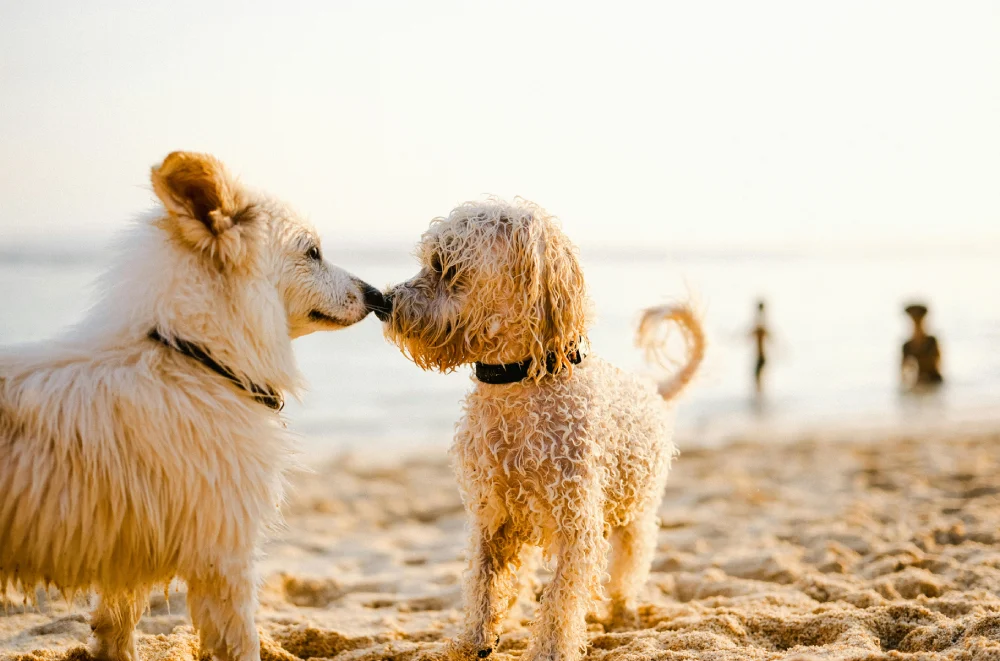
Bringing your dog to the beach is a fantastic way to enjoy the outdoors together, but it often means dealing with stubborn sand that clings to fur, paws, and even inside ears. Sand can cause discomfort, skin irritation, and even health issues if not removed properly. Learning how to clean sand off your dog after the beach ensures your pet stays comfortable and your home remains tidy.
Before diving into the best techniques for removing sand, it’s important to consider the full beach experience for your dog. From following local leash rules to disposing of waste properly, responsible beach outings make the day enjoyable for everyone. If you’re planning a trip to a popular dog-friendly spot, the Jupiter dog beach visitor guide for tourists offers helpful tips for first-time visitors and seasoned locals alike.
Let’s explore practical steps and expert advice to help you remove sand from your dog efficiently, keeping them happy and healthy after every beach adventure.
Why Sand Removal Matters for Dogs
Sand may seem harmless, but it can create several problems for dogs after a beach visit. Fine grains can get trapped between paw pads, causing irritation or even infection. Sand stuck in fur can lead to matting, especially in long-haired breeds. If left unchecked, dogs may ingest sand while grooming themselves, which can cause digestive issues.
Taking the time to thoroughly clean your dog after a beach trip is an essential part of responsible pet care. It helps prevent discomfort, reduces the risk of skin problems, and keeps your living space free from gritty messes.
Essential Tools and Supplies for Sand Removal
Being prepared with the right supplies makes the process of cleaning your dog much easier. Here are some items that can help:
- Soft-bristled brush or grooming mitt – For loosening and removing sand from fur.
- Dog-safe wipes or damp towels – Useful for wiping down paws, legs, and underbelly.
- Portable shower or spray bottle – For rinsing off stubborn sand, especially if there’s no outdoor shower available.
- Microfiber towel – Highly absorbent for drying your dog quickly.
- Dog shampoo (if a full bath is needed) – Choose a gentle, hypoallergenic formula.
Having these items ready in your car or beach bag can make the transition from sandy beach to clean car much smoother.

Step-by-Step Guide: Removing Sand from Your Dog After the Beach
Follow these steps to effectively get rid of sand after your dog’s beach outing:
1. Shake and Brush Off Excess Sand
Start by letting your dog shake off as much sand as possible. Most dogs will naturally do this, but a gentle pat or rub can help loosen more grains. Use a soft-bristled brush or grooming mitt to brush through the fur, focusing on areas where sand tends to accumulate, such as the tail, belly, and behind the ears.
2. Rinse with Fresh Water
If the beach provides a dog-friendly rinse station or outdoor shower, use it to wash away remaining sand. If not, a portable shower or spray bottle filled with fresh water works well. Pay close attention to the paws, as sand often gets trapped between the pads and toes. Gently spread the toes apart and rinse thoroughly.
3. Wipe Down with Damp Towels
After rinsing, use dog-safe wipes or a damp towel to clean areas that are still sandy. This is especially helpful for sensitive spots like the face and ears, where you should avoid spraying water directly. Wipe in the direction of the fur to avoid tangling.
4. Dry Your Dog Completely
Use a microfiber towel to dry your dog as much as possible. This helps remove any lingering sand and prevents your dog from tracking moisture and grit into your car or home. For long-haired breeds, consider a quick blow-dry on a cool setting to finish the job.
5. Check for Sand in Ears and Eyes
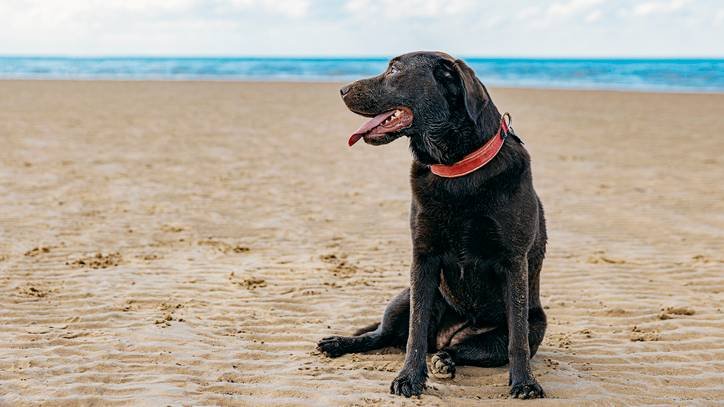
Sand can easily get into your dog’s ears and eyes, causing irritation. Gently inspect these areas and use a clean, damp cloth to wipe away any visible grains. Never insert anything into the ear canal; if you notice redness or excessive scratching, consult your veterinarian.
Special Considerations for Different Coat Types
The process of how to clean sand off your dog after the beach can vary depending on your dog’s coat:
- Short-haired dogs: Sand is less likely to get deeply embedded, but still check folds and creases.
- Long-haired dogs: Pay extra attention to feathering on legs, tail, and underbelly. Use a detangling spray if needed.
- Curly or wiry coats: These can trap sand more easily. Use a comb in addition to a brush for thorough cleaning.
Regardless of coat type, always be gentle to avoid causing discomfort or tangling the fur.
Keeping Your Car and Home Sand-Free
Even after a thorough cleaning, some sand may still find its way into your car or house. Here are a few tips to minimize the mess:
- Bring a large towel or blanket for your dog to sit on during the ride home.
- Use a car seat cover designed for pets to catch stray sand and fur.
- Give your dog a final brush and wipe-down before entering your home.
- Vacuum your car and entryway regularly to keep sand from accumulating.
Extra Tips for a Successful Beach Day with Your Dog
To make the most of your beach outings, consider these additional tips:
- Bring plenty of fresh water for your dog to drink and rinse off with.
- Check local regulations, such as Jupiter Beach dog leash requirements for parking lots, before heading out.
- Be mindful of seagrass and other natural hazards; for more information, see this guide on how to avoid seagrass issues with dogs in Jupiter.
- Dispose of waste properly to keep the beach clean for everyone. For best practices, refer to the article on how to dispose of dog waste properly at the beach.
For a list of top-rated dog beaches, including amenities and pet-friendly policies, check out this comprehensive guide to Jupiter Dog Beach.
How to Wash Dog Accessories After the Beach
Don’t forget about your dog’s gear. Collars, harnesses, and leashes can also collect sand and salt. Remove these items before rinsing your dog, and wash them separately. For step-by-step instructions, see the article on how to wash your dog’s harness after the beach.
Frequently Asked Questions
How can I prevent sand from sticking to my dog’s fur?
Brushing your dog before heading to the beach helps remove loose fur and reduces the amount of sand that can cling. Applying a light coat of dog-safe detangler spray can also make it easier to brush out sand later.
Is it safe to bathe my dog after every beach trip?
While rinsing with fresh water is recommended after each visit, frequent shampooing can dry out your dog’s skin. Only use dog shampoo when necessary, and opt for gentle, moisturizing formulas to protect the skin and coat.
What should I do if my dog ingests sand?
Small amounts of sand are usually not harmful, but ingesting large quantities can cause digestive issues. If your dog shows signs of discomfort, vomiting, or constipation after a beach trip, contact your veterinarian promptly.
Can sand cause skin problems for dogs?
Yes, sand trapped in fur or between paw pads can cause irritation, redness, or even infection if not removed. Regular cleaning and inspection help prevent these issues.
Are there any breeds that require extra care after the beach?
Long-haired and curly-coated breeds are more prone to sand buildup and matting. These dogs may need more thorough brushing and rinsing after each beach outing.