
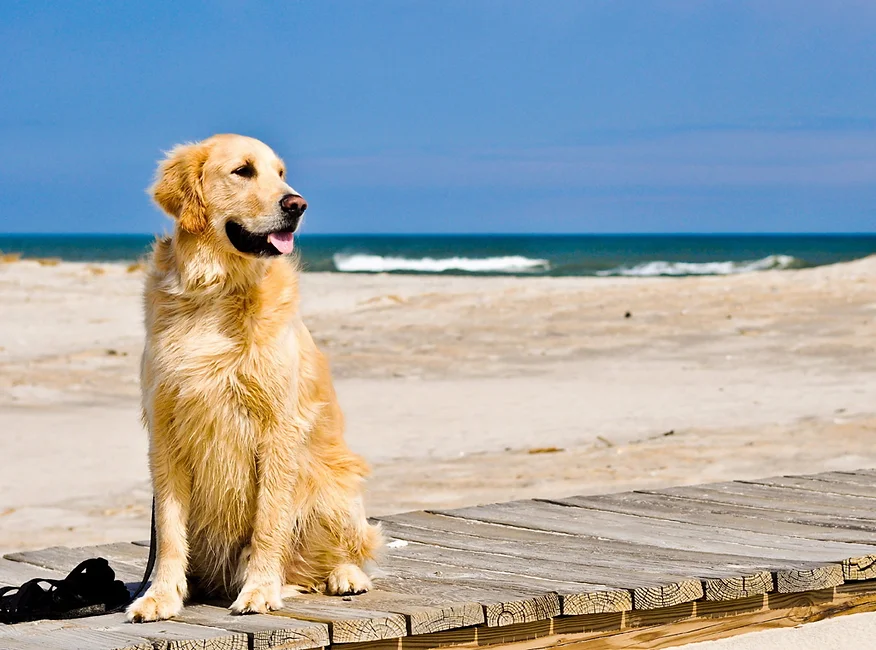
Bringing your canine companion to the seaside can be a memorable experience, but it’s important to approach your dog’s first ocean visit thoughtfully. The beach is full of new sights, sounds, and smells that can be both exciting and overwhelming for pets. With the right preparation and a gentle approach, you can help your dog feel safe and confident as they explore the shoreline and waves for the first time.
Before you head out, it’s wise to research local regulations and amenities. For example, if you’re planning a trip to a popular destination, the Jupiter dog beach visitor guide for tourists offers helpful information on what to expect and how to ensure a smooth outing. Understanding leash rules, dog-friendly zones, and available facilities will make your adventure more enjoyable for both you and your pet.
Preparing for Your Dog’s First Ocean Visit
Preparation is key when planning a trip to the coast with your dog. Start by checking the weather and tide schedules to avoid rough surf or extreme heat. Bring plenty of fresh water, a bowl, and some shade, such as a beach umbrella or pop-up tent. It’s also a good idea to pack a leash, waste bags, and your dog’s favorite toys for comfort and distraction.
Before setting out, ensure your dog is up to date on vaccinations and flea/tick prevention. Saltwater and sand can irritate sensitive skin, so a quick brush and paw check before leaving home can help prevent discomfort. If your dog has never been to a large body of water, consider exposing them to smaller lakes or calm rivers first to build their confidence.
Choosing the Right Beach and Time
Not all beaches are equally welcoming to pets. Look for designated dog-friendly beaches, which often have posted rules about off-leash areas, hours, and amenities. Early mornings or late afternoons are usually less crowded and cooler, making them ideal for a first visit. For those seeking more options, resources like this guide to dog-friendly beaches in Florida can help you find the perfect spot.
When you arrive, take a moment to observe the environment. Watch for hazards like sharp shells, jellyfish, or strong currents. If the beach is busy or noisy, consider walking along the quieter edges until your dog feels comfortable.

Introducing Your Dog to Waves and Water
When it’s time to approach the water, keep your dog on a leash and walk slowly toward the shoreline. Allow them to sniff and explore at their own pace. Some dogs may be hesitant or startled by the movement and sound of waves. If your pet seems nervous, don’t force them in—let them watch from a safe distance until their curiosity grows.
Encourage positive associations by offering treats and praise as your dog investigates the wet sand and shallow surf. If your dog enjoys fetch, toss a favorite toy just at the water’s edge to entice gentle exploration. For more cautious dogs, simply sitting together and watching the waves can help build confidence over time.
Always supervise closely, especially if your dog is new to swimming. Saltwater can be disorienting, and even strong swimmers can tire quickly in the ocean. If your dog shows signs of stress or fatigue, take a break and offer fresh water and shade.
Safety Tips for a Positive First Experience
- Monitor for signs of stress: Watch your dog’s body language for signs of anxiety, such as tucked tail, flattened ears, or reluctance to approach the water.
- Use a harness or life jacket: For extra security, especially with small breeds or dogs new to swimming, a well-fitted harness or canine life vest can provide peace of mind.
- Rinse off after swimming: Salt and sand can irritate skin and paws. Rinse your dog thoroughly with fresh water after your beach day. For tips on gear care, see advice on how to wash your dog’s harness after the beach.
- Practice good beach etiquette: Always clean up after your pet. For guidance, review suggestions on how to dispose of dog waste properly at the beach.
- Observe leash rules: Some areas require leashes at all times, especially in parking lots and entry points. Stay informed by checking local regulations, such as the Jupiter Beach dog leash requirements for parking lots.

Making the Most of Your Beach Adventure
Once your dog is comfortable, you can gradually introduce more activities. Some dogs love to chase waves, dig in the sand, or play with other friendly pups. Always keep a close eye on your pet and be mindful of their energy levels. Bring along a long lead if you want to give your dog more freedom while maintaining control.
Remember to take breaks for water and shade, especially on hot days. If you’re visiting during cooler months, consider exploring Jupiter Beach dog friendly winter activities for additional ideas to keep your dog engaged and happy year-round.
After your outing, check your dog for any signs of irritation, cuts, or debris between their toes. A quick rinse and a thorough towel dry will help prevent skin issues and keep your home sand-free.
Frequently Asked Questions
What should I bring for my dog’s first trip to the ocean?
Pack essentials such as fresh water, a collapsible bowl, leash, waste bags, a towel, and some shade. Consider bringing a harness or life jacket for added safety, especially if your dog is new to swimming. Don’t forget your dog’s favorite toy or treats to help them feel secure and engaged.
How can I tell if my dog is comfortable with the ocean?
Watch your dog’s body language. Signs of comfort include a relaxed posture, wagging tail, and curiosity about the water. If your dog seems hesitant, anxious, or tries to move away from the waves, give them time and space to adjust at their own pace.
Is saltwater safe for dogs to drink or swim in?
While swimming in saltwater is generally safe for healthy dogs, drinking it can cause stomach upset or dehydration. Always provide plenty of fresh water and encourage your dog to drink it instead. Rinse your dog off after swimming to remove salt and sand from their coat and skin.
Conclusion
Introducing your dog to the ocean for the first time is a rewarding experience when approached with patience and preparation. By choosing the right location, bringing the proper supplies, and respecting your dog’s comfort level, you’ll set the stage for many happy beach days ahead. Remember to prioritize safety, follow local rules, and enjoy the adventure as your dog discovers the joys of the shore.