
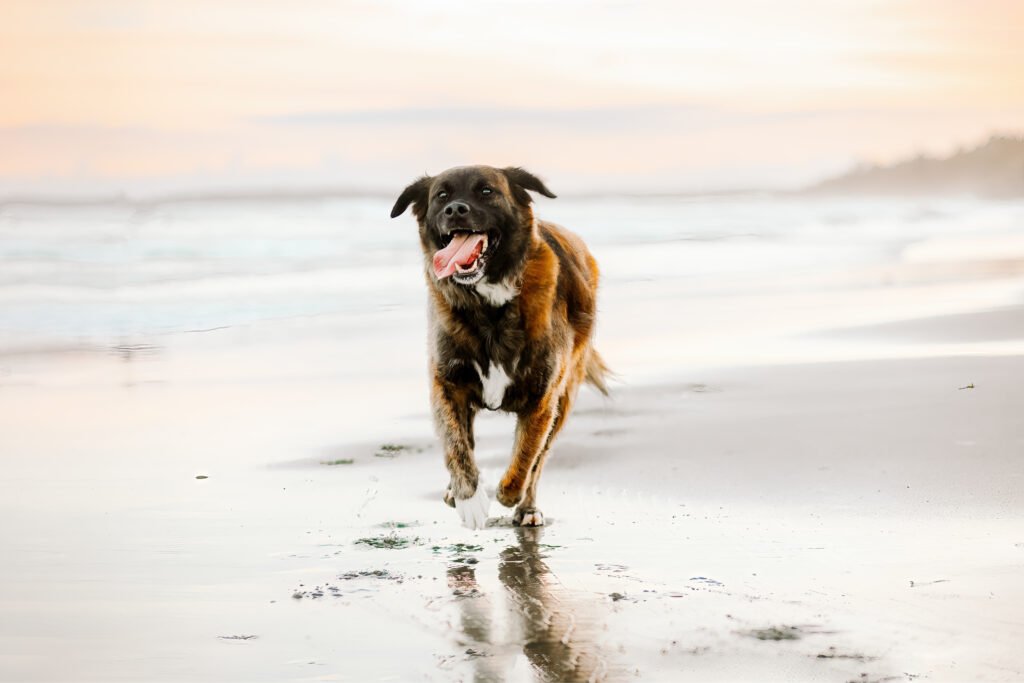
Heading to the shore with your canine companion is a great way to enjoy the outdoors, but it’s important to be prepared for the unexpected. Knowing how to pack a doggy first aid kit for the beach ensures you can handle minor injuries, protect your pet from common hazards, and keep your beach day stress-free. From paw cuts to sunburn, a well-stocked kit can make all the difference in your dog’s safety and comfort.
Before you set off, it’s smart to review Jupiter dog beach reviews for pet owners to get a sense of what to expect and any specific risks at your destination. Bringing the right supplies and knowing how to use them will help you respond quickly if your pup needs attention.
Why a Canine First Aid Kit Is Essential for Beach Days
Beaches present unique risks for dogs, including sharp shells, hot sand, saltwater ingestion, and encounters with wildlife. Even the most dog-friendly beaches can have hidden dangers. Having a dedicated first aid kit tailored for your dog means you’re ready to address injuries or discomfort on the spot, preventing minor issues from becoming emergencies.
Many pet owners overlook the importance of a specialized kit, assuming their own supplies will suffice. However, dogs require different treatments and products than humans. For example, certain antiseptics safe for people can be toxic to pets. By assembling a kit specifically for your dog, you’ll be equipped to handle the most common beach-related incidents.
Choosing the Right Container for Your Dog’s First Aid Supplies
When thinking about how to pack a doggy first aid kit for the beach, start with a waterproof, durable container. The beach environment is sandy, wet, and unpredictable, so your supplies need protection from moisture and grit. Look for a hard-sided plastic case or a heavy-duty, sealable pouch that’s easy to carry and clean.
Label the container clearly and keep it in an accessible spot in your beach bag or car. If you’re traveling with others, let everyone know where the kit is stored so it can be found quickly in an emergency.

Must-Have Items for a Beach-Ready Dog First Aid Kit
To ensure your kit is ready for any situation, include these essential items:
- Gauze pads and rolls: For wrapping wounds or controlling bleeding.
- Adhesive tape (pet-safe): To secure bandages without sticking to fur.
- Non-stick sterile pads: For covering cuts or abrasions.
- Antiseptic wipes or spray (dog-safe): To clean minor wounds.
- Tweezers: For removing splinters, shells, or ticks.
- Blunt-tip scissors: To trim fur around wounds or cut bandages.
- Saline solution: For rinsing eyes, wounds, or sand out of paws.
- Hydrocortisone cream (pet formula): To soothe insect bites or mild skin irritation.
- Benadryl (diphenhydramine): For allergic reactions (consult your vet for the correct dosage).
- Digital thermometer: To check for overheating or fever.
- Tick remover tool: Beaches can harbor ticks, especially in grassy dunes.
- Paw balm or wax: To protect against hot sand and soothe cracked pads.
- Disposable gloves: For safe handling of injuries.
- Emergency blanket: Useful if your dog gets cold after swimming.
- Extra leash and collar: In case your gear gets wet or damaged.
- Copy of vaccination records and vet contact info: Essential in case of a serious incident.
These basics will cover most minor injuries and discomforts your dog might experience at the beach. You can also add any medications your pet regularly takes, as well as a muzzle (some dogs may bite when in pain).
Special Considerations for Beach Environments
Saltwater, sand, and sun create unique challenges for canine health. When preparing your kit, think about the specific risks your dog might face:
- Hot sand: Can burn sensitive paw pads. Carry paw balm and check the sand temperature before letting your dog walk on it.
- Sun exposure: Dogs with light fur or exposed skin can get sunburned. Pack a pet-safe sunscreen and apply it to vulnerable areas.
- Saltwater ingestion: Drinking seawater can cause vomiting or diarrhea. Bring plenty of fresh water and a collapsible bowl.
- Jellyfish and marine life: Some beaches have jellyfish or sharp shells. Tweezers and saline solution are useful for removing stingers or debris.
- Sand in eyes or ears: Rinse with saline and avoid letting your dog dig excessively.
For more tips on selecting the best locations, check out what to look for in a dog friendly beach in Florida to ensure your chosen spot is safe and welcoming for pets.
Packing Tips for a Portable and Practical Kit
When deciding how to pack a doggy first aid kit for the beach, organization is key. Use small zip bags or containers within your main kit to separate items by use—wound care, medications, and tools. This makes it easier to find what you need quickly.
Check expiration dates on medications and replace used or outdated supplies before each trip. After your beach day, clean and dry all reusable items to prevent mold or rust. Keep a checklist in your kit so you can restock efficiently after each outing.
It’s also wise to familiarize yourself with basic pet first aid procedures. Many organizations offer classes or online resources, so you’ll know how to use the items in your kit effectively.
Additional Resources for Dog Owners Visiting the Beach
Beyond first aid, planning a safe and enjoyable beach day for your dog involves knowing the rules and amenities of your chosen destination. For firsthand experiences, read Jupiter dog beach reviews for pet owners to learn about leash policies, water access, and potential hazards.
If you’re interested in exploring more dog-friendly spots or need help with pet care while traveling, resources like dog-friendly living in Jupiter: parks, beaches, and homes can help you plan your trip and find local services.
Frequently Asked Questions
What should I do if my dog gets a cut or scrape at the beach?
First, rinse the wound with saline solution to remove sand and debris. Apply a non-stick sterile pad and wrap it with gauze. Use pet-safe antiseptic if available. Monitor for signs of infection and consult your vet if the wound is deep or doesn’t heal quickly.
Can I use human first aid supplies for my dog?
Some items, like gauze and saline, are safe for both humans and dogs. However, avoid using human antiseptics, creams, or medications unless your vet confirms they’re safe for pets. Always include pet-specific products in your kit.
How can I prevent my dog from overheating at the beach?
Provide shade, fresh water, and frequent breaks. Avoid the hottest parts of the day and watch for signs of heat exhaustion, such as excessive panting or lethargy. Use your digital thermometer to check your dog’s temperature if you’re concerned.
Conclusion
Properly preparing a canine first aid kit for the beach is a simple step that can make your outings safer and more enjoyable. By including the right supplies, organizing your kit for quick access, and staying informed about potential hazards, you’ll be ready to handle minor emergencies and keep your furry friend happy by the shore.