
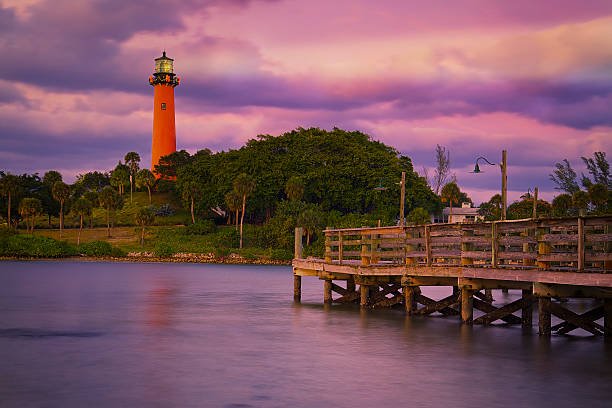
Jupiter, Florida, is a paradise for bird enthusiasts and photographers alike. With its diverse habitats—ranging from coastal inlets to lush wetlands—the area offers ample opportunities to capture stunning images of both resident and migratory birds. Whether you are a beginner with a smartphone or an experienced photographer with a telephoto lens, understanding the unique aspects of bird photography in this region will help you get the most out of your experience. This guide covers essential tips, recommended locations, and practical techniques for anyone interested in learning how to photograph birds in Jupiter and making the most of the area’s natural beauty.
For those interested in specific species, you might enjoy exploring ibis sightings in Jupiter or discovering the best places to observe songbirds in Jupiter. These resources provide additional insights into the birdlife you can expect to encounter and photograph in the area.
Best Locations for Bird Photography in Jupiter
The region is home to several hotspots that attract both local and migratory birds. Knowing where to go is the first step in capturing memorable shots. Here are some top locations to consider:
- Jupiter Inlet Lighthouse Outstanding Natural Area: This iconic spot offers a blend of maritime forest, tidal creeks, and open water, making it ideal for spotting wading birds, raptors, and songbirds.
- Riverbend Park: With its extensive trails and wetlands, Riverbend Park is a haven for herons, egrets, and woodpeckers.
- DuBois Park: Situated along the coast, this park provides opportunities to photograph shorebirds and pelicans, especially during migration seasons.
- Loxahatchee River: The river and its surrounding preserves are excellent for capturing images of ospreys, kingfishers, and other water-loving species.
For more information on birdwatching destinations across the state, check out this guide to top birdwatching locations in Florida.
Essential Gear for Capturing Birds in Action
Having the right equipment can make a significant difference in your results. While you don’t need the most expensive gear, certain tools will help you get closer, sharper, and more vibrant images.
- Camera with Fast Autofocus: Birds move quickly, so a camera that can lock focus rapidly is invaluable. DSLRs and mirrorless cameras with burst shooting modes are ideal.
- Telephoto Lens: A lens with a focal length of at least 300mm allows you to photograph birds from a respectful distance without disturbing them.
- Tripod or Monopod: Stability is crucial, especially when using long lenses. A lightweight tripod or monopod helps reduce camera shake.
- Binoculars: Essential for spotting birds before you photograph them. Consider a compact, waterproof pair for field use.
- Field Guide: A local bird identification guide helps you recognize and learn about the species you encounter.

Techniques for Photographing Birds in Jupiter’s Unique Habitats
The varied environments in Jupiter require a flexible approach. Here are some techniques to help you adapt to different settings and get the best possible images:
Coastal and Inlet Bird Photography
Along the beaches and inlets, you’ll find gulls, terns, pelicans, and wading birds. Early morning or late afternoon light provides a soft glow and reduces harsh shadows. Position yourself with the sun behind you for well-lit subjects, and use a fast shutter speed (1/1000s or faster) to freeze birds in flight.
For more details on the species you might encounter, see this resource on birds of Jupiter Inlet.
Wetlands and Marshes: Capturing Waders and Songbirds
Wetlands attract herons, egrets, and a variety of songbirds. Move slowly and quietly to avoid startling your subjects. Use a longer lens to photograph birds from the edges of marshes. Patience is key—wait for birds to emerge from the reeds or to display interesting behaviors such as fishing or preening.
If you’re interested in photographing larger waders, check out the best spots for herons and egrets in Jupiter FL.
Urban and Suburban Birding
Don’t overlook parks, gardens, and even residential areas. Many species, such as mockingbirds and woodpeckers, thrive in these environments. Use a discreet approach and look for birds perched on fences, wires, or feeders.
Tips for Ethical and Successful Bird Photography
Respect for wildlife and the environment is essential. Following ethical practices ensures the welfare of birds and preserves the habitats you enjoy photographing.
- Keep Your Distance: Use long lenses to avoid disturbing birds, especially during nesting season.
- Stay on Designated Trails: Protect sensitive habitats by sticking to marked paths.
- Minimize Noise: Move slowly and speak quietly to avoid startling wildlife.
- Do Not Use Playback: Avoid playing bird calls to attract species, as this can stress birds and disrupt natural behaviors.
- Leave No Trace: Pack out all trash and respect the natural environment.

Seasonal Considerations for Bird Photography
Jupiter’s birdlife changes with the seasons. Winter brings migratory waterfowl and shorebirds, while spring and fall offer opportunities to see colorful songbirds and raptors passing through. Summer is ideal for photographing resident species and nesting activity. Check local birding calendars and weather forecasts to plan your outings for peak activity.
Editing and Sharing Your Bird Photos
Post-processing can enhance your images and help you share your experiences with others. Basic adjustments such as cropping, exposure correction, and color balancing can make a big difference. Use editing software to remove distractions and highlight the bird as the main subject. When sharing online, include location tags and species names to help fellow birders and photographers.
If you’re interested in pelicans and want to know the best places to see them, visit this guide on pelicans in Jupiter FL.
Frequently Asked Questions
What is the best time of day to photograph birds in Jupiter?
Early morning and late afternoon are ideal for bird photography. The light is softer, birds are more active, and there are fewer people around. These times also reduce harsh shadows and glare, resulting in more pleasing images.
Do I need a special permit to photograph birds in protected areas?
Most public parks and preserves in Jupiter do not require a special permit for non-commercial photography. However, always check the rules for each location, especially if you plan to use tripods or other equipment that may block trails.
Which birds are most commonly photographed in Jupiter?
Commonly photographed species include herons, egrets, pelicans, ospreys, and a variety of songbirds. The area’s diverse habitats attract both year-round residents and seasonal migrants, offering a wide range of photographic opportunities.
How can I identify the birds I photograph?
Bring a field guide or use a bird identification app. Local guides specific to Florida are especially helpful. You can also consult online resources or connect with local birdwatching groups for assistance.