
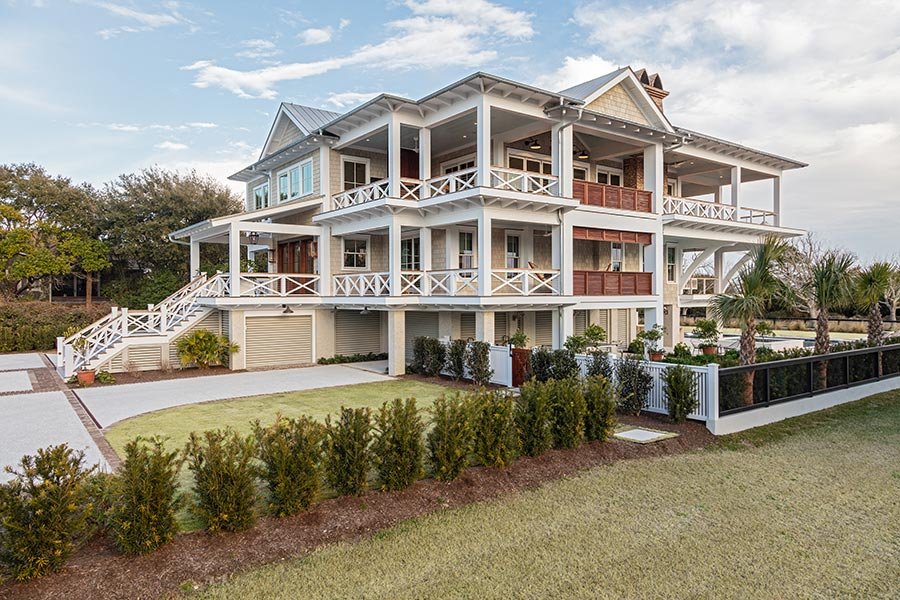
Building a home in a coastal or hurricane-prone region requires careful planning and specialized techniques. Hurricane resistant home construction focuses on safeguarding property and lives by using materials, designs, and methods proven to withstand extreme winds and flying debris. Whether you’re planning a new build or upgrading an existing structure, understanding the essentials of resilient construction can make a significant difference in safety and long-term value.
In this article, you’ll find practical advice on storm-ready building strategies, recommended materials, and the latest best practices. For those who enjoy coastal living with pets, you may also want to explore Jupiter dog beach reviews for pet owners to make the most of your time by the ocean.
Understanding the Fundamentals of Wind-Resistant Building
The foundation of any storm-proof home starts with a solid understanding of local weather patterns and building codes. In hurricane-prone areas, codes often require specific features to minimize wind damage. These include reinforced concrete slabs, impact-resistant windows, and roof tie-downs. The goal is to create a continuous load path, ensuring that every part of the structure is securely connected from the roof down to the foundation.
Site selection also plays a crucial role. Elevated lots reduce flood risk, while proper orientation can help minimize wind exposure. Consulting with local experts familiar with regional requirements is essential for a successful project.
Key Materials and Structural Elements for Storm Safety
Choosing the right materials is at the heart of hurricane resistant home construction. Here are some of the most effective options:
- Concrete and Reinforced Masonry: These materials offer superior strength and are less likely to fail under pressure from high winds or debris.
- Impact-Resistant Windows and Doors: Specially designed glass and frames prevent shattering and keep the building envelope intact.
- Metal Roofing: Metal roofs are more likely to stay in place during storms compared to traditional shingles, especially when properly anchored.
- Hurricane Straps and Clips: Metal connectors tie the roof, walls, and foundation together, distributing wind forces and reducing the risk of structural separation.
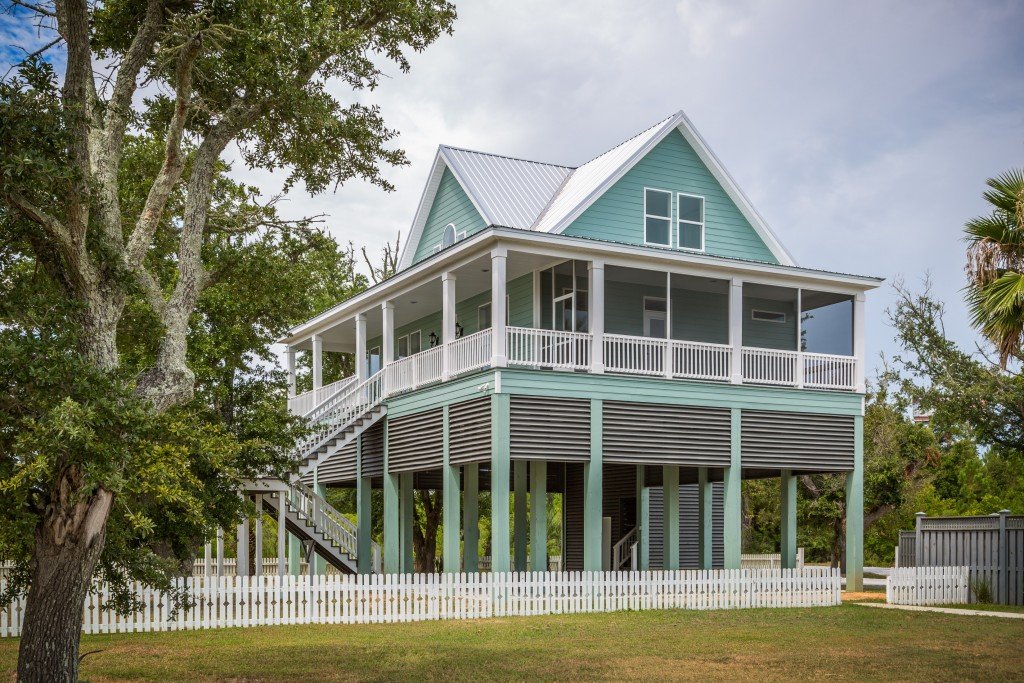
Design Strategies for Enhanced Hurricane Protection
Beyond material selection, smart design choices can further boost a home’s resilience. Consider the following strategies:
- Simple Rooflines: Complex or steeply pitched roofs are more vulnerable to wind uplift. Opt for hip roofs, which have slopes on all sides and are less likely to be damaged.
- Minimal Overhangs: Large eaves and overhangs can catch wind and act as levers, so keeping them short helps reduce risk.
- Reinforced Garage Doors: Since garage doors are often a weak point, using reinforced or wind-rated doors prevents breaches that can lead to catastrophic pressure changes inside the home.
- Properly Anchored Porches and Carports: These structures must be securely attached to the main building to avoid becoming airborne hazards.
For a deeper dive into best practices for coastal construction, check out this comprehensive guide on coastal building techniques.
Building Codes and Certification for Hurricane-Ready Homes
Adhering to up-to-date building codes is non-negotiable for storm-resistant homes. Many states and municipalities have adopted the International Residential Code (IRC) or similar standards, which specify requirements for wind load, flood resistance, and material performance. In addition, certifications such as FORTIFIED Home™ provide third-party verification that a property meets or exceeds industry benchmarks for disaster resilience.
Homeowners should work closely with licensed architects, engineers, and contractors who have experience with hurricane resistant home construction. These professionals can help navigate permitting, inspections, and compliance, ensuring that every aspect of the build meets stringent safety criteria.
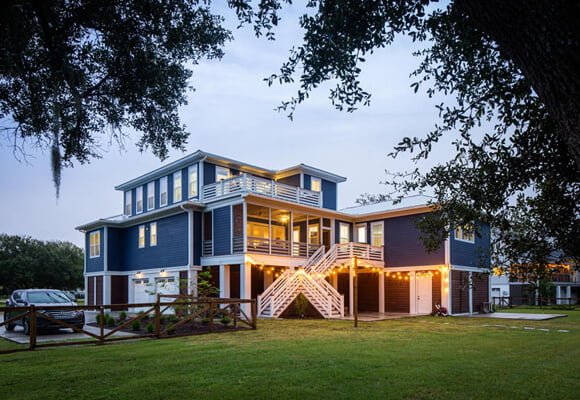
Retrofitting Existing Homes for Storm Resistance
Not every property starts from scratch. Many homeowners look to upgrade their current homes for better storm protection. Common retrofitting steps include:
- Installing hurricane shutters or impact-resistant windows
- Reinforcing roof-to-wall connections with additional straps or clips
- Upgrading garage doors to wind-rated models
- Sealing gaps and openings to prevent water intrusion
- Elevating electrical systems and HVAC units in flood-prone areas
These improvements can significantly reduce the risk of damage and may also lower insurance premiums. It’s important to consult with a qualified contractor to assess which upgrades are most effective for your specific situation.
Maintenance and Ongoing Preparedness
Even the most robustly built home requires regular maintenance to remain storm-ready. Key tasks include:
- Inspecting and repairing roofs, gutters, and downspouts
- Checking window and door seals for wear or leaks
- Trimming trees and removing debris from around the property
- Reviewing and updating emergency plans with your household
Staying proactive with maintenance ensures that all protective features function as intended when severe weather strikes.
Frequently Asked Questions
What are the most important features of a hurricane-resistant home?
The most critical features include a reinforced concrete or masonry structure, impact-resistant windows and doors, a securely anchored roof, and a continuous load path connecting all parts of the building. These elements work together to withstand high winds and flying debris.
Can I retrofit my existing home to make it more storm-resistant?
Yes, many existing homes can be upgraded with features like hurricane shutters, additional roof straps, wind-rated garage doors, and improved seals. Consulting with a contractor experienced in storm retrofits is the best way to identify the most effective improvements for your property.
How do building codes affect hurricane-resistant construction?
Local building codes set minimum standards for wind resistance, flood protection, and material quality. Following these codes is essential for safety and insurance compliance. In many areas, codes are updated regularly to reflect the latest research and storm data.
Are there certifications for homes built to withstand hurricanes?
Yes, programs like FORTIFIED Home™ offer third-party certification that a property meets high standards for disaster resilience. These certifications can add value to your home and may help lower insurance costs.
By understanding the principles of hurricane resistant home construction and staying informed about the latest techniques, you can create a safer, more resilient living space for your family. For those who love the coast, don’t forget to review safety tips such as how to tell if the water is too rough for your dog before heading to the beach.