

The coastline of Jupiter, Florida, offers a unique opportunity for birdwatchers to observe a diverse array of coastal and migratory species. With its mix of sandy beaches, dunes, and nearby estuaries, Jupiter Beach Park is a favorite destination for both novice and experienced bird enthusiasts. Whether you’re hoping to spot a rare shorebird or simply enjoy the sights and sounds of the Atlantic, this guide will help you make the most of your visit.
Before you set out, consider exploring the Jupiter birdwatching checklist for a comprehensive overview of must-see species and recommended gear. This resource is especially helpful for those new to the area or looking to expand their birding life list.
Why Jupiter Beach Park Is a Birdwatcher’s Paradise
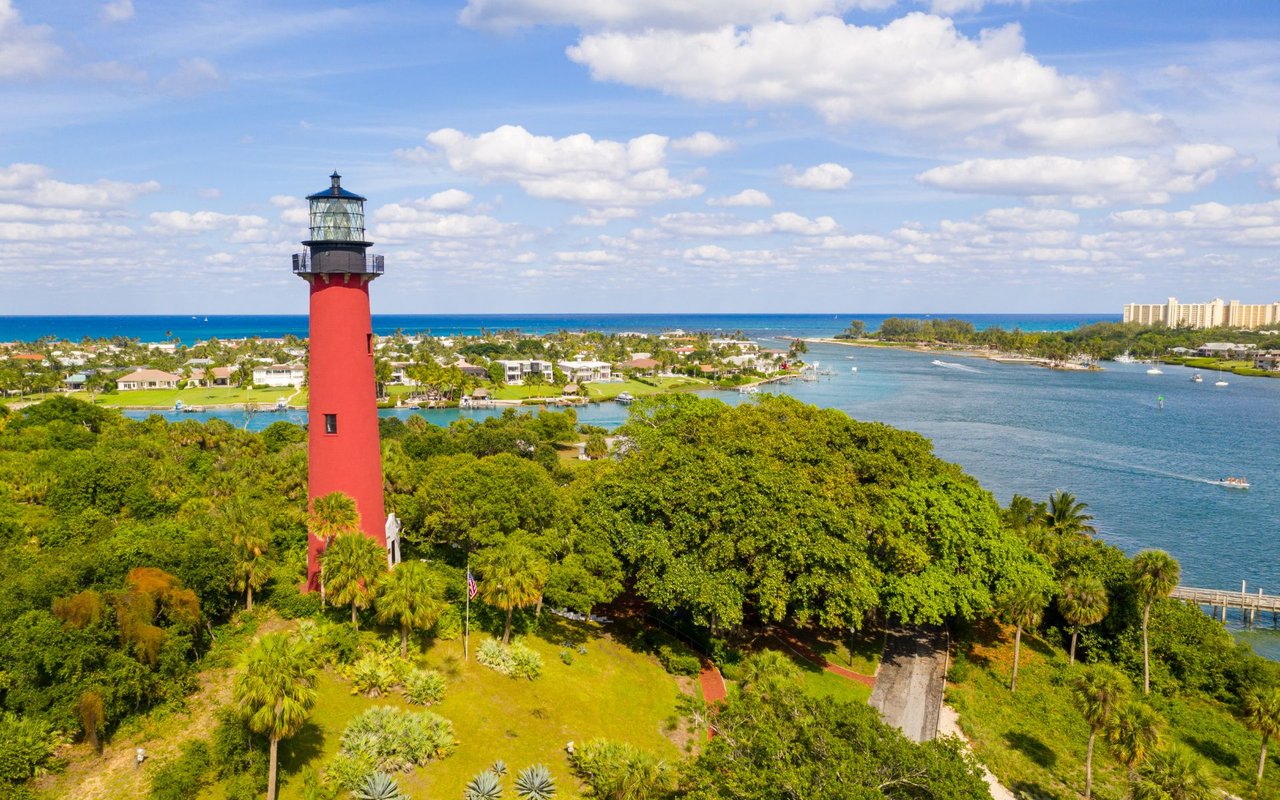
The park’s location at the meeting point of the Atlantic Ocean and the Loxahatchee River creates a rich environment for a variety of bird species. The mix of habitats—beachfront, dunes, mangroves, and nearby freshwater sources—attracts both resident and migratory birds throughout the year. This diversity makes the area one of the most rewarding spots for observing Jupiter Beach Park birds.
In addition to its natural beauty, the park is easily accessible, with ample parking and walking paths that allow you to explore different vantage points without disturbing the wildlife. For those interested in expanding their birding adventures, the birdwatching map of Jupiter, Florida highlights other key locations nearby.
Common and Notable Birds to Look For
Birders visiting Jupiter Beach Park can expect to see a variety of species depending on the season. Here are some of the most frequently observed birds, along with a few rarities that make the park a special destination:
- Royal Tern: Recognizable by their bright orange bills and black caps, these terns are often seen diving for fish just offshore.
- Willet: A large, grayish shorebird with a distinctive call, commonly found patrolling the water’s edge.
- Osprey: These raptors are often spotted soaring above the dunes or perched on light poles, scanning for fish in the surf.
- Brown Pelican: Watch for these large birds gliding low over the waves or plunging dramatically into the water.
- Sanderling: Small, energetic shorebirds that chase the retreating surf in search of food.
- Magnificent Frigatebird (seasonal): Occasionally seen gliding high above, especially during migration periods.
- Reddish Egret and Snowy Egret: These elegant waders can be found in tidal pools and along the river mouth.
Best Times and Seasons for Birdwatching
Timing your visit can greatly influence the variety and number of birds you encounter. Early mornings and late afternoons are generally the most productive periods, as birds are more active and lighting conditions are ideal for observation.
- Winter: Many migratory shorebirds and waterfowl arrive, increasing diversity.
- Spring and Fall: Migration brings a surge of songbirds, raptors, and rare visitors.
- Summer: Resident species such as terns, pelicans, and ospreys are abundant.
For those interested in exploring other habitats, consider a trip to the nearby Loxahatchee River, which is featured in the Loxahatchee River birdwatching guide. This area is known for its rare and elusive species.
Essential Gear for Spotting Jupiter Beach Park Birds
Having the right equipment can make all the difference in your birdwatching experience. Here are some essentials to bring along:
- Binoculars: A quality pair with good magnification and a wide field of view is crucial for spotting distant birds.
- Field Guide: A regional bird guide helps with quick identification and learning about local species.
- Notebook or Birding App: Record your sightings and notes for future reference.
- Camera: Even a smartphone can capture memorable moments, but a camera with a zoom lens is ideal for detailed shots.
- Sun Protection: Bring a hat, sunscreen, and sunglasses to stay comfortable during long sessions.
- Water and Snacks: Stay hydrated and energized, especially on warm Florida days.

Tips for Responsible and Enjoyable Birdwatching
Respect for wildlife and the environment is essential for sustainable birding. Here are some guidelines to ensure a positive experience for both you and the birds:
- Keep a respectful distance from nesting sites and avoid disturbing feeding birds.
- Stay on marked trails and boardwalks to protect sensitive habitats.
- Use quiet voices and minimize sudden movements to avoid startling wildlife.
- Carry out all trash and avoid leaving any food scraps behind.
- Share sightings with fellow birders and report rare or unusual species to local organizations.
For more tips on observing coastal birds and shoreline etiquette, the Jupiter Inlet birdwatching guide provides additional insights specific to the region.
Nearby Birding Hotspots and Conservation Efforts
While Jupiter Beach Park is a standout location, the surrounding area offers several other excellent birdwatching sites. Carlin Park, for example, is another accessible spot with its own unique birdlife. You can find practical advice for this location in the Carlin Park birdwatching guide.
Conservation plays a vital role in maintaining the rich avian diversity of the region. Local organizations and volunteers work to protect nesting areas, restore habitats, and educate visitors about the importance of preserving these natural resources. To learn more about preservation efforts and other protected sites in North Palm Beach, visit this overview of North Palm Beach preserved sites.
Frequently Asked Questions
What are the best months to see migratory birds at Jupiter Beach Park?
The peak times for migratory birds are during spring (March to May) and fall (September to November). During these periods, you’re likely to encounter a wider variety of shorebirds, songbirds, and raptors passing through the area.
Is special equipment required to enjoy birdwatching at the park?
While you can spot many birds with the naked eye, binoculars and a field guide will greatly enhance your experience. A camera with a zoom lens is also helpful for capturing distant or fast-moving species.
Are there any guided birdwatching tours available in Jupiter?
Several local nature centers and birding groups offer guided walks and educational programs, especially during migration seasons. Check with the park office or local organizations for current schedules and availability.
Can I visit other birdwatching locations nearby?
Absolutely. In addition to Jupiter Beach Park, you can explore the Loxahatchee River, Carlin Park, and the Jupiter Inlet area. Each site offers different habitats and bird species, making the region a top destination for birders.