
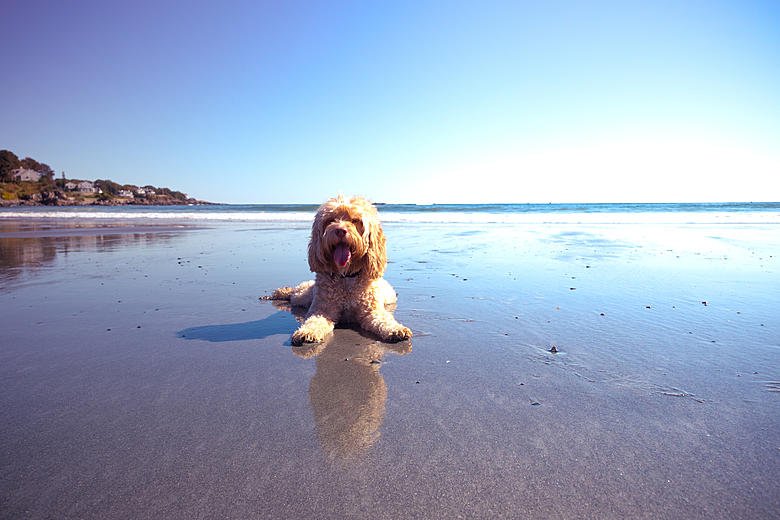
Visiting Jupiter Beach with your dog is a highlight for many pet owners in Florida. The area is famous for its dog-friendly stretches of sand and beautiful Atlantic views. However, while the beach offers plenty of fun, it’s essential to pay close attention to Jupiter Beach sand conditions for paws. The sand’s temperature, texture, and cleanliness can all impact your dog’s comfort and safety. Understanding these factors helps you make the best decisions for your pet’s well-being during your beach outings.
Before heading out, it’s also important to be aware of other local pet guidelines and tips. For example, if you’re new to the area or want to ensure a smooth visit, the Jupiter Dog Beach visitor guide for tourists provides valuable information on amenities, rules, and what to expect at this popular destination.
Why Sand Conditions Matter for Dogs
Many pet owners underestimate the impact of sand on their dog’s paws. The beach environment is dynamic, and sand can range from cool and soft in the morning to scorching and abrasive by midday. Dogs’ paw pads are tough but not immune to injury. Hot sand can cause burns, while sharp shells, debris, or even certain types of seaweed can lead to cuts or irritation.
Monitoring sand conditions at Jupiter Beach is especially important during the summer months. The combination of direct sun and light-colored sand can quickly raise surface temperatures, making it uncomfortable or even dangerous for your pet to walk or run.
Understanding Sand Temperature and Safety
One of the most significant factors affecting your dog’s comfort is sand temperature. On sunny days, sand can become much hotter than the air temperature. If it feels too hot for your bare feet, it’s likely too hot for your dog as well. Prolonged exposure to hot sand can result in painful burns or blisters on sensitive paw pads.
To check if the sand is safe, place the back of your hand on the surface for at least five seconds. If it’s uncomfortable for you, it’s best to wait until later in the day or find a shaded area. Early mornings and late afternoons are generally safer times for walks, as the sand is cooler and less likely to cause harm.

Texture and Debris: What to Watch For
Besides temperature, the texture of the sand and the presence of debris are key considerations. Jupiter Beach is generally well-maintained, but natural elements like broken shells, rocks, and driftwood can be scattered along the shoreline. These can cause cuts or splinters in your dog’s paws, especially if your pet likes to dig or run at full speed.
After storms or high tides, more debris may be present. Always scan the area before letting your dog off-leash. If you notice any sharp objects or trash, steer clear or remove them if possible. For more tips on keeping your dog safe from natural hazards, see our guide on how to avoid seagrass issues with dogs in Jupiter.
Cleanliness and Health Risks
Clean sand is not just about comfort—it’s also about health. Bacteria, parasites, and pollutants can accumulate in busy beach areas, especially where many dogs play. While Jupiter Beach is popular for its cleanliness, it’s still wise to keep an eye out for animal waste or litter. Always pick up after your pet and encourage others to do the same. For best practices, refer to our article on how to dispose of dog waste properly at the beach.
Rinsing your dog’s paws with fresh water after your visit helps remove sand, salt, and any potential irritants. This simple step can prevent itching, dryness, and infection.
Protective Measures for Your Dog’s Paws
There are several ways to protect your pet’s paws from harsh sand conditions:
- Dog booties: These can shield paws from extreme heat, sharp debris, and saltwater irritation. Choose lightweight, breathable options designed for beach use.
- Paw wax: Specially formulated waxes create a protective barrier, reducing the risk of burns and cuts.
- Frequent breaks: Give your dog time to rest in shaded areas and offer plenty of fresh water.
- Check paws regularly: After playtime, inspect your dog’s feet for redness, swelling, or embedded objects.
Remember, prevention is always easier than treating an injury. If you notice limping, licking, or visible wounds, rinse the affected area and consult your veterinarian if symptoms persist.

Timing Your Visit for Optimal Sand Conditions
Planning your beach trip around the weather and tides can make a big difference. Cooler times of day—early morning or late afternoon—are ideal for both you and your dog. Not only is the sand less likely to be hot, but the beach is often less crowded, reducing the risk of encountering debris or other hazards.
Checking local weather forecasts and tide charts can help you pick the safest and most enjoyable time for your outing. If you’re visiting during peak summer months, consider bringing an umbrella or beach tent to provide extra shade for your pet.
Additional Tips for a Safe Dog Beach Experience
Beyond monitoring Jupiter Beach sand conditions for paws, there are a few more steps you can take to ensure a safe and fun day:
- Bring a portable water bowl and offer frequent drinks to prevent dehydration.
- Keep your dog on a leash in parking lots and follow local leash requirements. For more details, see the Jupiter Beach dog leash requirements for parking lots.
- Rinse your dog’s harness and gear after your visit. Salt and sand can cause irritation or wear. Learn how in our guide on how to wash your dog’s harness after the beach.
- Supervise your pet at all times, especially around water and unfamiliar dogs.
For a comprehensive list of dog-friendly amenities, rules, and beach access points, the BringFido Jupiter Dog Beach page is an excellent resource.
Frequently Asked Questions
What is the best time of day to visit Jupiter Beach with my dog?
The safest times are early morning or late afternoon, when sand temperatures are cooler and the risk of paw burns is lower. Avoid midday visits during hot weather, as the sand can become dangerously hot for your pet’s paws.
How can I tell if the sand is too hot for my dog?
Place the back of your hand on the sand for five seconds. If it feels uncomfortably hot, it’s also too hot for your dog. Wait until the sand cools down or seek shaded areas before allowing your pet to walk or play.
Are there any specific hazards to watch for on Jupiter Beach?
Yes, keep an eye out for sharp shells, rocks, broken glass, and debris, especially after storms or high tides. Always check the sand before letting your dog off-leash and rinse their paws after your visit to remove any irritants.
Conclusion
Being mindful of Jupiter Beach sand conditions for paws is key to ensuring your dog’s safety and comfort. By checking sand temperature, watching for debris, and following simple protective measures, you can enjoy many happy, healthy outings with your pet. Stay informed, prepare ahead, and always put your dog’s well-being first for a truly memorable beach experience.