
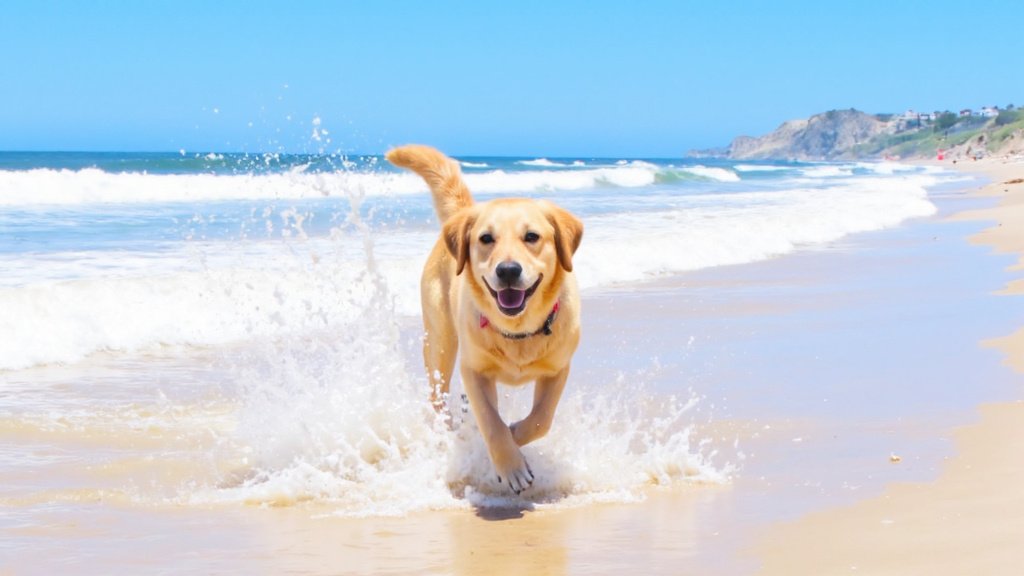
Many dog owners love taking their pets to Jupiter Beach for a splash in the waves or a relaxing walk along the shoreline. However, before letting your furry friend dive in, it’s important to consider whether the Jupiter Beach water temperature for dogs is safe and comfortable. Water that’s too cold can quickly sap a dog’s body heat, leading to discomfort or even hypothermia. Understanding the seasonal changes, breed sensitivities, and safety tips can help you make the best decision for your pet’s well-being.
Jupiter Beach is a favorite destination for dog lovers, and its off-leash areas are well-known for being pet-friendly. If you’re planning a visit, you might also want to check out Jupiter dog beach reviews for pet owners to get real feedback from fellow visitors. Let’s explore what you need to know about water temperatures and how to keep your dog safe and happy during your beach outings.
Understanding Seasonal Water Temperatures at Jupiter Beach
Water temperatures at Jupiter Beach can fluctuate throughout the year, impacting how comfortable and safe it is for your dog to swim. During the winter months, ocean temperatures can dip into the low 70s Fahrenheit (around 21–22°C), while in the summer, the water often warms up to the mid-80s (28–30°C). These changes mean that what feels refreshing in July might be too chilly for your dog in January.
Dogs are more sensitive to cold water than many people realize. Even if the air feels warm, the ocean can still be cool enough to cause discomfort or health risks. Monitoring the Jupiter Beach water temperature for dogs before your visit is a smart step, especially if your pet is small, short-haired, or not used to swimming in cooler conditions.

How Cold Is Too Cold for Dogs at the Beach?
While every dog is different, most veterinarians agree that water below 75°F (24°C) can start to feel cold for many breeds, especially if they are not acclimated or are smaller in size. Prolonged exposure to water in the 60s or lower can increase the risk of hypothermia, muscle cramps, or even shock.
Here are some general guidelines for safe swimming temperatures:
- Above 75°F (24°C): Generally safe and comfortable for most dogs.
- 70–75°F (21–24°C): Caution for small, short-haired, or elderly dogs; limit swim time.
- Below 70°F (21°C): Risk of cold stress increases; avoid long swims, especially for sensitive breeds.
Keep in mind that puppies, older dogs, and those with thin coats are more vulnerable to cold water. If you notice your dog shivering, whining, or trying to leave the water, it’s time to get them dry and warm.
Factors That Influence Your Dog’s Comfort in the Water
Several factors affect how your dog will react to the Jupiter Beach water temperature for dogs:
- Breed and Coat Type: Dogs with thick, water-resistant coats (like retrievers) tolerate cooler water better than those with thin or single-layer coats.
- Age and Health: Puppies and senior dogs are less able to regulate body temperature. Dogs with certain health conditions may also be at greater risk.
- Activity Level: Active swimming generates body heat, but dogs that spend time standing or wading may get cold faster.
- Weather Conditions: Windy or cloudy days can make the water feel colder, even if the temperature is technically safe.
Always observe your pet’s behavior and err on the side of caution. If your dog seems hesitant or uncomfortable, don’t force them into the water.
Tips for Keeping Your Dog Safe in Varying Water Temperatures
To ensure a fun and safe beach day, follow these practical tips:
- Check the Water Temperature: Use a waterproof thermometer or check local surf reports before heading out.
- Limit Swim Time: Especially in cooler months, keep sessions short and monitor your dog for signs of discomfort.
- Rinse and Dry: After swimming, rinse saltwater off your dog and dry them thoroughly to prevent chills.
- Bring Fresh Water: Offer plenty of drinking water so your dog isn’t tempted to drink salty ocean water.
- Watch for Hazards: Besides temperature, look out for strong currents or rough surf. For more on this, see how to tell if the water is too rough for your dog.

What to Do If Your Dog Gets Too Cold
If your dog starts shivering, appears lethargic, or seems distressed after being in the ocean, act quickly:
- Remove them from the water immediately.
- Wrap them in a towel and move to a sheltered or sunny spot.
- Offer warm (not hot) water to drink.
- Monitor for ongoing symptoms. If your dog doesn’t recover quickly, contact your veterinarian.
Being proactive and prepared can make all the difference in keeping your pet safe during cooler beach days.
Best Times of Year for Dog Swimming at Jupiter Beach
Late spring through early fall is typically the most comfortable period for dogs to swim at Jupiter Beach. During these months, the ocean is warm enough for most breeds, and the air temperature is pleasant. Winter and early spring can bring cooler water, so extra caution is needed.
For those planning a special outing, such as a birthday celebration, consider reading how to plan a dog birthday party at Jupiter Beach for seasonal tips and ideas.
Local Resources and Dog-Friendly Amenities
Jupiter Beach is known for its dog-friendly policies, including off-leash areas and convenient waste stations. For a full overview of pet amenities, leash rules, and current conditions, visit the official Jupiter Dog Beach listing on BringFido. This resource provides up-to-date information and reviews from other dog owners.
If you’re interested in more safety tips, check out Jupiter Beach dog jumping in waves safety for advice on keeping your pet safe in the surf.
Frequently Asked Questions
How can I check the current water temperature at Jupiter Beach?
You can find real-time water temperature data on local surf or weather websites. Some pet owners use waterproof thermometers to get an accurate reading before letting their dog swim.
Are certain breeds more sensitive to cold water?
Yes, breeds with thin or single-layer coats, such as Greyhounds or Chihuahuas, are more sensitive to cold water than breeds with thick, water-resistant fur like Labradors or Golden Retrievers. Age and health also play a role in sensitivity.
What signs should I watch for if my dog is too cold?
Common signs include shivering, whining, reluctance to swim, lethargy, or trying to leave the water. If you notice any of these, remove your dog from the ocean, dry them off, and warm them up as soon as possible.
Can dogs swim at Jupiter Beach year-round?
While the beach is open to dogs year-round, swimming is safest during warmer months. Always check the water temperature and weather conditions before allowing your pet to swim, especially in winter or early spring.
Conclusion
Paying attention to the Jupiter Beach water temperature for dogs is an important part of planning a safe and enjoyable beach day. By understanding seasonal changes, knowing your dog’s limits, and following simple safety tips, you can ensure your pet stays comfortable and healthy while enjoying the sand and surf. For more local insights and firsthand experiences, don’t forget to read Jupiter dog beach reviews for pet owners before your next visit.