
The region around Jupiter, Florida, is renowned for its vibrant shoreline, unique habitats, and remarkable diversity of bird species. From tidal flats and mangrove forests to sandy beaches and estuaries, this area supports a rich web of life. Understanding the interplay between the local environment and its avian residents is essential for birdwatchers, nature lovers, and anyone interested in conservation.
Whether you’re a seasoned birder or just beginning to explore the outdoors, learning about Jupiter’s coastal ecology and birds can deepen your appreciation for this special part of Florida. Early mornings on the beach, afternoons along the Intracoastal Waterway, and quiet moments in the mangroves all offer glimpses of the region’s feathered inhabitants.
If you’re planning a trip with your four-legged companion, you might also find jupiter dog beach reviews for pet owners helpful for insights on dog-friendly stretches of sand and their natural surroundings.
Key Habitats Along Jupiter’s Coastline
The coastal environment in Jupiter is shaped by a mosaic of habitats, each supporting different bird species and ecological functions. Here’s a closer look at the main zones:
- Beaches and Dunes: These sandy stretches are home to shorebirds like sanderlings, willets, and black skimmers. Dunes provide nesting sites and protection from storms.
- Mangrove Forests: Red, black, and white mangroves line the Intracoastal Waterway and estuaries, offering shelter for wading birds such as herons, egrets, and roseate spoonbills.
- Salt Marshes and Mudflats: These areas are rich feeding grounds for sandpipers, plovers, and other migratory species, especially during spring and fall.
- Freshwater Wetlands: Inland from the coast, marshes and ponds attract ducks, gallinules, and the occasional limpkin.
Bird Species You’ll Find in Jupiter’s Coastal Ecosystems
The variety of habitats in the area supports a wide range of birds, from year-round residents to seasonal visitors. Here are some of the most notable:
- Wading Birds: Great blue herons, snowy egrets, tricolored herons, and wood storks are commonly seen stalking the shallows for fish and crustaceans.
- Shorebirds: Look for ruddy turnstones, least terns, and piping plovers along the water’s edge, especially during migration.
- Raptors: Ospreys and bald eagles nest near the coast, while peregrine falcons may be spotted during migration.
- Songbirds: Mangrove warblers, painted buntings, and red-winged blackbirds add color and song to the landscape, particularly in spring.
Seasonal Birdwatching in Jupiter’s Natural Areas
The best time to observe birds in this region depends on the season. Winter brings migratory species escaping colder climates, while spring and fall are prime times for spotting birds passing through on their journeys. Summer is nesting season for many local birds, and patient observers may spot chicks and fledglings.
Notably, the beaches and estuaries become especially lively during migration periods. Early mornings and late afternoons offer the best light and activity for birdwatching. For dog owners, it’s important to be mindful of nesting birds and sensitive habitats. If you’re interested in canine-friendly outings, check out tips on jupiter beach dog jumping in waves safety to ensure a safe and enjoyable experience for everyone.
Conservation and Responsible Birding
Protecting Jupiter’s coastal ecology and birds is a shared responsibility. Here are some practical ways to minimize your impact while enjoying the outdoors:
- Stay on marked trails and boardwalks to avoid disturbing nesting sites and fragile vegetation.
- Keep a respectful distance from birds, especially during breeding season.
- Dispose of trash properly and avoid leaving food scraps that could attract predators.
- Keep dogs leashed in sensitive areas and be aware of posted wildlife protection zones.
- Participate in local cleanups or citizen science projects to support habitat health.
For those interested in learning more about the region’s avian life, the Jupiter bird species directory provides detailed information on local sightings and seasonal trends.

Top Spots for Observing Jupiter’s Shoreline Birds
Several public parks and preserves in the area offer excellent vantage points for birdwatching and nature study. Some local favorites include:
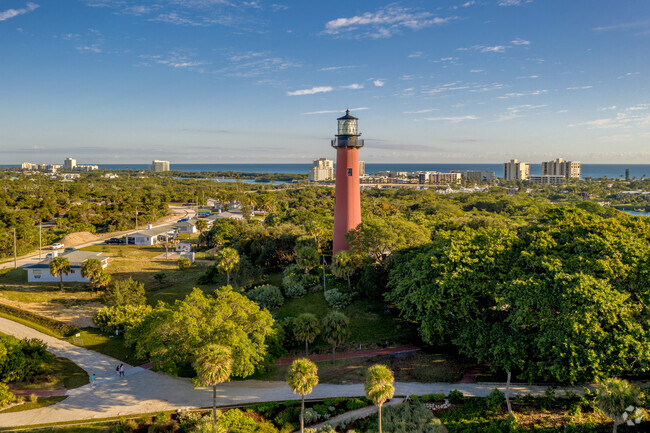
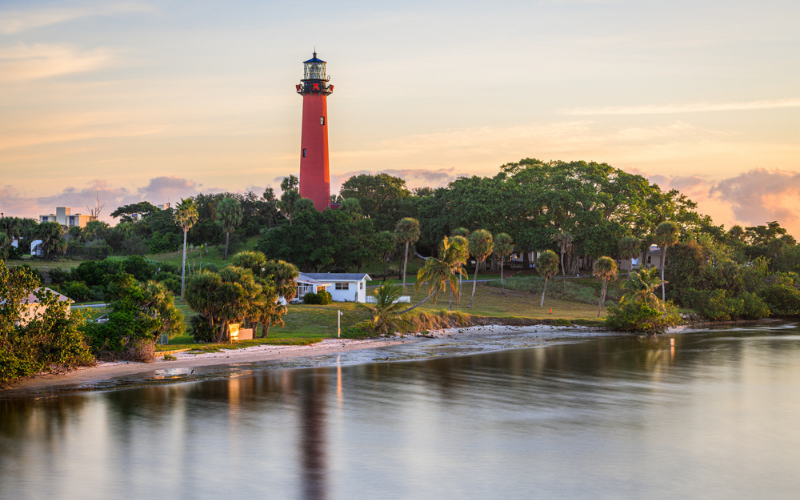
- Jupiter Inlet Lighthouse Outstanding Natural Area: Trails wind through coastal hammocks and mangroves, with observation decks for spotting ospreys and wading birds.
- Carlin Park: This beachfront park is ideal for watching gulls, terns, and pelicans in flight.
- Riverbend Park: Located inland, this park features wetlands and cypress swamps that attract a different mix of species, including woodpeckers and hawks.
- Blowing Rocks Preserve: Famous for its rocky shoreline and sea grape thickets, this preserve is a hotspot for migratory songbirds and shorebirds.
For those planning a full day outdoors, consider packing a field guide and binoculars. If you’re interested in celebrating a special occasion with your pet, you might enjoy reading about how to plan a dog birthday party at jupiter beach for creative ideas that blend fun with nature appreciation.
Frequently Asked Questions
What are the best times of year to see migratory birds in Jupiter?
Spring (March to May) and fall (September to November) are peak migration periods. During these months, a wide variety of shorebirds, warblers, and raptors pass through the region, making it an excellent time for birdwatching.
Are there any endangered birds commonly found in Jupiter’s coastal habitats?
Yes, several threatened and endangered species can be spotted in the area, including the piping plover and wood stork. Conservation efforts focus on protecting nesting sites and maintaining healthy habitats for these vulnerable birds.
Can I bring my dog to birdwatching areas along the coast?
Many parks and beaches are dog-friendly, but always check local regulations and be mindful of sensitive habitats. Keeping dogs leashed and away from nesting sites helps protect both wildlife and your pet. For more tips, see advice on can you bring a dog stroller to jupiter beach for convenient access and responsible recreation.
How can I help protect Jupiter’s coastal wildlife?
Simple actions like staying on trails, picking up litter, and participating in local conservation programs make a big difference. Supporting organizations that preserve habitats and educate the public also contributes to the long-term health of the region’s ecosystems.
Exploring the natural beauty of Jupiter’s shorelines offers endless opportunities to observe and appreciate the intricate connections between land, water, and wildlife. With a little preparation and respect for the environment, both residents and visitors can enjoy the area’s remarkable biodiversity for years to come.