

Exploring the wonders of the ocean and observing its incredible creatures up close is a dream for many nature lovers. Marine wildlife adventure planning is the key to making that dream a reality, ensuring your experience is safe, ethical, and truly memorable. Whether you’re hoping to spot dolphins, whales, sea turtles, or seabirds, careful preparation can make all the difference between an average outing and an extraordinary journey.
Before diving into the details, it’s important to recognize that every destination and tour operator offers a unique perspective on marine life. Researching your options, understanding local regulations, and knowing what to expect will help you make informed decisions. If you’re also bringing your furry companion along for a beach trip, you might want to review the Jupiter dog beach visitor guide for tourists for helpful tips on pet-friendly activities.
Choosing the Right Marine Wildlife Tour
The first step in organizing your ocean adventure is selecting a tour that aligns with your interests and values. Not all excursions are created equal, so consider the following factors to ensure a rewarding experience:
- Wildlife Focus: Some tours specialize in a particular species, such as whales or sea turtles, while others offer a broader look at the local ecosystem. Decide what you hope to see and choose accordingly.
- Group Size: Smaller groups often provide a more personalized and less intrusive experience for both guests and animals.
- Operator Credentials: Look for companies with experienced guides, proper licensing, and a strong commitment to conservation and ethical wildlife viewing.
- Seasonality: Many marine animals are migratory. Research the best times of year for sightings in your chosen location.
Reading reviews and checking for certifications from organizations like the World Cetacean Alliance or local wildlife authorities can help you identify reputable operators.
Essential Steps in Marine Wildlife Adventure Planning
Proper preparation is crucial for a successful outing. Here are some key steps to consider as you organize your trip:
- Research Your Destination: Learn about the local marine life, weather conditions, and any regulations that may affect your tour.
- Book in Advance: Quality tours often fill up quickly, especially during peak seasons. Secure your spot early to avoid disappointment.
- Understand the Itinerary: Make sure you know what’s included—such as transportation, gear, and refreshments—and what you’ll need to bring yourself.
- Prepare Physically: Some tours may involve walking, swimming, or time on a boat. Assess your comfort level and physical readiness.
- Pack Thoughtfully: Bring essentials like sunscreen, a hat, water-resistant clothing, and a camera or binoculars for wildlife observation.
For a comprehensive list of what to bring, check out this complete guide to packing essentials for your first wildlife tour.

What to Expect on Your Ocean Wildlife Excursion
Once your plans are set, it’s helpful to know what the day might look like. Most marine wildlife tours begin with a safety briefing and an introduction to the local environment. Guides will explain the species you’re likely to encounter, responsible viewing practices, and what to do in case of unexpected weather or sea conditions.
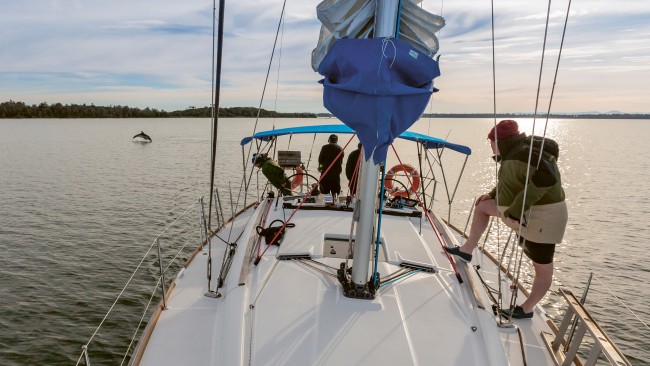
During the tour, you’ll have opportunities to observe animals in their natural habitats. Patience is key—wildlife sightings are never guaranteed, but experienced guides maximize your chances by knowing the best spots and times. Bring along binoculars for a closer look, and don’t forget polarized sunglasses to cut glare on the water.
For those traveling with dogs or planning a longer stay near the coast, you might also be interested in learning how to dispose of dog waste properly at the beach to help keep marine environments clean and safe for all visitors.
Responsible Marine Wildlife Adventure Planning
Ethical considerations are central to any wildlife experience. When planning your adventure, prioritize operators and practices that respect animal welfare and protect fragile ecosystems. Here’s how you can contribute:
- Keep a Safe Distance: Never attempt to touch or feed wild animals. Maintain the recommended distance to avoid causing stress or harm.
- Minimize Noise and Disruption: Speak quietly and avoid sudden movements, especially when close to wildlife.
- Follow Local Guidelines: Respect all posted rules and listen to your guide’s instructions. These are in place to safeguard both visitors and animals.
- Leave No Trace: Take all trash with you and avoid disturbing natural habitats.
Supporting responsible tourism ensures that future generations can enjoy the same awe-inspiring encounters with marine life.
Tips for a Smooth and Enjoyable Experience
To make the most of your time on the water, keep these practical suggestions in mind:
- Dress Appropriately: Conditions can change quickly at sea. Wear layers, bring a waterproof jacket, and choose non-slip shoes.
- Stay Hydrated and Nourished: Pack water and light snacks, especially for longer trips.
- Protect Your Gear: Use dry bags for electronics and valuables. Saltwater and spray can damage cameras and phones.
- Be Patient and Flexible: Wildlife encounters are unpredictable. Enjoy the journey and appreciate all aspects of the marine environment, even if your target species remains elusive.
If you’re planning to extend your adventure into the cooler months, consider reading about Jupiter Beach dog friendly winter activities for more ideas on how to enjoy the coast year-round.
FAQ: Marine Wildlife Adventure Planning
What should I look for in a responsible tour operator?
Choose companies with certified guides, transparent wildlife policies, and positive reviews. Look for operators who follow ethical guidelines, support conservation, and prioritize guest safety and education.
When is the best time of year for marine wildlife tours?
The ideal season depends on the animals you hope to see and your chosen destination. Research local migration patterns and weather conditions, and book during peak viewing months for the best chance of sightings.
What should I bring on a marine wildlife excursion?
Essentials include sun protection, layered clothing, water, snacks, a camera, and binoculars. Consider waterproof bags for electronics and always follow the packing recommendations provided by your tour operator.
How can I reduce my impact on marine environments?
Follow all local regulations, avoid littering, keep a respectful distance from wildlife, and choose tours that support conservation efforts. Small actions, like using reef-safe sunscreen and minimizing noise, help protect fragile ecosystems.
With thoughtful marine wildlife adventure planning, you’ll be well on your way to an unforgettable experience that respects both the ocean and its inhabitants. Whether you’re a first-timer or a seasoned explorer, a little preparation goes a long way in making your adventure safe, enjoyable, and sustainable.