
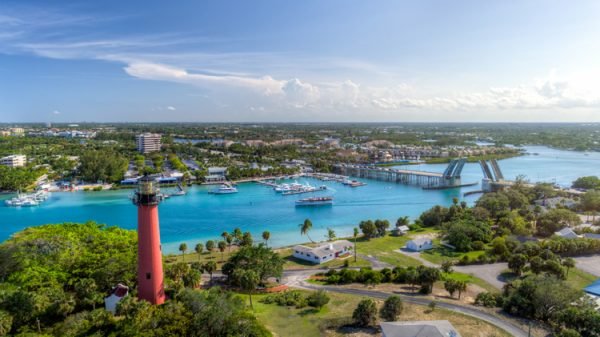
The region surrounding Jupiter, Florida is a prime location for observing some of North America’s most remarkable avian journeys. Every year, thousands of birds travel along established migratory routes near Jupiter FL, making the area a hotspot for both seasoned birdwatchers and newcomers. The unique combination of coastal habitats, wetlands, and forested areas provides essential stopover points for a wide variety of species.
Whether you’re hoping to spot colorful warblers, majestic raptors, or rare coastal visitors, understanding the patterns and best locations for migration viewing can greatly enhance your experience. This article explores the main flyways, top birding spots, and practical tips to help you make the most of birdwatching season in this vibrant part of South Florida.
For those interested in conservation or rare sightings, you may also want to explore the endangered birds in Jupiter FL and learn about local efforts to protect these species.
Understanding Bird Migration Patterns in South Florida
The Atlantic Flyway is one of the four major North American migration corridors and passes directly over the Jupiter area. This route is used by a diverse array of birds traveling between their breeding grounds in the north and wintering habitats in Central and South America. The region’s wetlands, estuaries, and coastal scrub provide crucial resting and feeding areas for these travelers.
Spring and fall are peak seasons for migration, with different species passing through at various times. In spring, birds are often in their brightest plumage as they head north to breed, while fall brings juveniles and adults alike heading south for the winter.
Top Spots for Observing Migration Near Jupiter
Several public lands and parks in and around Jupiter offer excellent opportunities to witness the spectacle of migration. Here are some of the best places to visit:
- Juno Dunes Natural Area: This coastal preserve is a magnet for warblers, tanagers, and other songbirds during migration. The mix of scrub, hammock, and wetland habitats supports a wide range of species.
- Loxahatchee River Battlefield Park: Located just inland, this park’s open spaces and river edges attract raptors, woodpeckers, and flycatchers.
- Jonathan Dickinson State Park: As one of the largest state parks in Southeast Florida, it offers extensive trails through varied habitats, making it ideal for spotting everything from shorebirds to hawks.
- Blowing Rocks Preserve: The unique limestone shoreline and native vegetation here provide shelter for migrating songbirds and shorebirds alike.

Key Species to Watch for Along the Flyways
Birdwatchers in the Jupiter area can expect to see a wide range of species during migration. Some highlights include:
- Warblers: These small, colorful songbirds are a favorite among birders. For more details on their seasonal movements, see the guide on warblers in Jupiter FL.
- Raptors: Ospreys, hawks, and even the occasional bald eagle use the region’s thermals and open spaces as they travel.
- Shorebirds: Sandpipers, plovers, and other waders stop along beaches and mudflats to refuel.
- Woodpeckers: Several species can be found in the forests and pine flatwoods. Learn more about their habitats in the article on woodpeckers in Jupiter FL.
- Sea birds: Gulls, terns, and pelicans are commonly seen along the coast. For coastal birdwatching tips, visit the sea birds in Jupiter Florida guide.
Best Times and Conditions for Birdwatching
Timing your outings is crucial for maximizing sightings along the migratory routes near Jupiter FL. Early mornings in spring (March–May) and fall (September–November) are typically the most productive. Birds are most active after sunrise, especially following nights with favorable migration weather.
Overcast days or those following a cold front can also bring an influx of migrants as birds seek shelter and food. Always check local birding reports or eBird lists for recent sightings before heading out.
Essential Gear and Preparation Tips
To get the most out of your birdwatching adventures, consider bringing the following:
- Binoculars: A good pair can make all the difference in spotting distant or camouflaged birds.
- Field Guide: A regional guidebook helps with quick identification of unfamiliar species.
- Notebook or Birding App: Recording your sightings can be both rewarding and helpful for tracking migration trends.
- Sun Protection and Water: Florida’s sun can be intense, so bring a hat, sunscreen, and plenty of water.
- Camera: Many birders enjoy photographing their finds, but remember to keep a respectful distance from wildlife.

Conservation and Responsible Birdwatching
As interest in birding grows, it’s important to practice responsible observation. Stay on marked trails, avoid disturbing nesting or feeding birds, and respect posted signs. Many of the habitats along these migration paths are sensitive and support endangered or threatened species.
For those passionate about rare finds, check out the latest rare bird sightings Jupiter Florida to see what’s been spotted recently and learn how you can contribute to citizen science efforts.
The region is also part of the Great Florida Birding and Wildlife Trail, which highlights key sites for wildlife observation and conservation across the state.
Frequently Asked Questions
What are the best months to observe migration in the Jupiter area?
The most active periods for bird migration are from March to May in spring and September to November in fall. During these months, a wide variety of species pass through or stop over in the region.
Which species are most commonly seen during migration?
Birders can expect to see warblers, shorebirds, raptors, woodpeckers, and various sea birds. The diversity depends on the season and specific habitats visited.
Are there any local regulations or etiquette to follow while birdwatching?
Yes, always stay on designated trails, avoid disturbing wildlife, and follow posted guidelines in parks and preserves. Respecting these rules helps protect both birds and their habitats for future generations.