
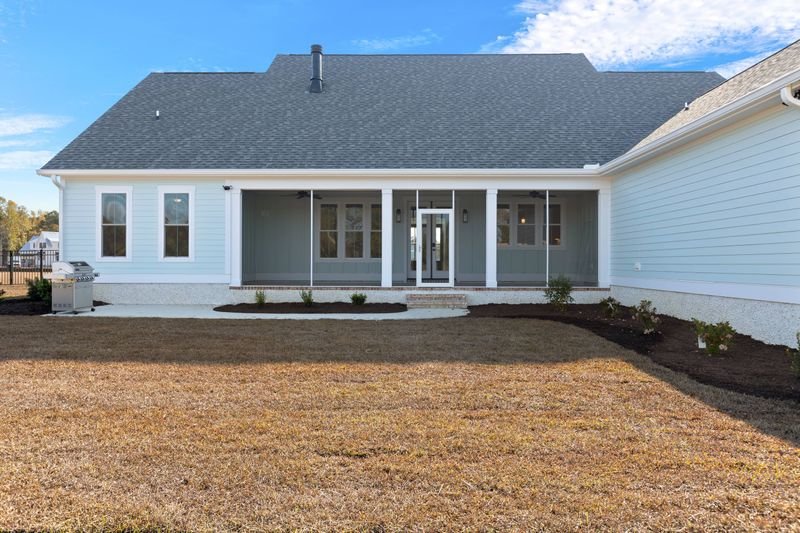
Building or renovating homes in coastal areas presents unique challenges. High humidity, salt-laden air, and frequent storms can accelerate the deterioration of traditional construction materials. Choosing the right moisture resistant building materials is essential for ensuring durability, safety, and long-term value in these environments. This article explores the best material options, their benefits, and practical considerations for coastal construction.
Alongside material selection, coastal homeowners often face unique environmental responsibilities. For those with pets, learning how to dispose of dog waste properly at the beach can help protect local ecosystems and keep communities clean. Addressing these practical details ensures your coastal property remains both resilient and environmentally friendly.
Why Moisture Resistance Matters in Coastal Construction
Coastal environments are characterized by constant exposure to moisture, whether from rain, sea spray, or high humidity. This persistent dampness can cause rot, mold growth, corrosion, and structural damage if the wrong materials are used. Selecting moisture resistant building materials helps prevent these issues, reducing maintenance costs and extending the lifespan of homes and buildings.
Salt in the air can also accelerate the breakdown of certain materials, particularly metals and untreated wood. By prioritizing products designed to withstand these harsh conditions, builders and homeowners can avoid costly repairs and maintain the property’s appearance and safety for years to come.
Top Choices for Moisture-Resistant Materials
When planning a coastal build, it’s important to consider a range of materials that offer protection against moisture and salt exposure. Here are some of the most effective options:
Fiber Cement Siding
Fiber cement is a composite material made from cement, sand, and cellulose fibers. It is highly resistant to moisture, rot, and insects, making it ideal for coastal homes. Unlike wood, fiber cement does not swell, warp, or crack when exposed to humidity. It can also be painted in a variety of colors, offering both durability and aesthetic flexibility.
Stainless Steel and Galvanized Fasteners
Metal components are especially vulnerable to corrosion in salty air. Using stainless steel or galvanized fasteners ensures that screws, nails, and brackets maintain their strength over time. These metals form a protective layer that resists rust, even in the most challenging environments.
Concrete and Masonry Products
Concrete blocks, poured concrete, and masonry are naturally resistant to moisture and are commonly used for foundations, walls, and exterior surfaces in coastal construction. When properly sealed, these materials offer excellent protection against water intrusion and require minimal maintenance.
Vinyl and Composite Decking
For outdoor spaces, vinyl and composite decking provide a long-lasting alternative to traditional wood. These products are engineered to resist moisture, fading, and insect damage, making them perfect for decks, docks, and walkways near the ocean.
Pressure-Treated and Engineered Wood
While untreated wood can quickly deteriorate in coastal conditions, pressure-treated lumber and engineered wood products are infused with preservatives that help resist rot and insect infestation. These materials are suitable for framing, fencing, and other structural applications, provided they are installed and maintained correctly.
Additional Considerations for Coastal Building
Beyond the main structural materials, several other factors contribute to a home’s resilience in a coastal setting:
- Waterproof Membranes: Applying waterproof barriers to roofs, foundations, and exterior walls helps prevent leaks and moisture infiltration.
- Proper Drainage: Ensuring that water is directed away from the building through gutters, downspouts, and site grading reduces the risk of standing water and foundation issues.
- Ventilation: Adequate airflow in crawl spaces, attics, and wall cavities helps keep moisture levels in check and prevents mold growth.
- Protective Finishes: Using paints, stains, and sealants designed for marine or exterior use adds an extra layer of defense against the elements.
For a deeper dive into the best products and design strategies, this comprehensive overview of essential building materials for coastal homes offers expert insights and recommendations.
Maintenance Tips for Longevity
Even the most robust moisture resistant building materials require regular care to perform at their best. Here are some maintenance tips to help coastal properties stand the test of time:
- Inspect exterior surfaces and fasteners annually for signs of wear, corrosion, or damage.
- Clean siding, decks, and walkways to remove salt deposits, mildew, and debris.
- Reapply sealants and protective coatings as recommended by manufacturers.
- Address minor repairs promptly to prevent small issues from becoming major problems.
By staying proactive, homeowners can maximize the lifespan of their investment and maintain a safe, attractive environment.
Environmental and Lifestyle Considerations
Living near the coast means balancing durability with environmental stewardship. Many modern moisture resistant building materials are designed to be eco-friendly, using recycled content or sustainable manufacturing processes. Choosing products with low environmental impact supports both the local ecosystem and the broader community.
For those who enjoy spending time on the beach with pets, it’s also important to consider practical aspects like cleaning up after your dog and understanding local regulations. Resources such as the Jupiter dog beach visitor guide for tourists can help you make the most of your coastal lifestyle while respecting the environment and your neighbors.
Frequently Asked Questions
What are the most durable siding options for coastal homes?
Fiber cement and vinyl siding are among the most durable choices for homes near the ocean. Both materials resist moisture, salt, and pests, and require less maintenance than traditional wood siding.
How can I prevent metal corrosion in a coastal environment?
Use stainless steel or galvanized fasteners and hardware, as these materials are specifically designed to resist rust and corrosion. Regularly inspect and replace any components showing signs of wear.
Are there eco-friendly moisture-resistant materials available?
Yes, many manufacturers now offer products made from recycled materials or sustainable sources. Look for certifications and product information that highlight environmental benefits without compromising on performance.
How often should I maintain my coastal home’s exterior?
It’s a good idea to inspect and clean exterior surfaces at least once a year. Reapply sealants and address any minor repairs as needed to keep your home in top condition.
Choosing the right moisture resistant building materials and following best practices for construction and maintenance will help your coastal property remain strong, beautiful, and comfortable for years to come.