
The vibrant ecosystems of Jupiter, Florida, are home to a remarkable diversity of birdlife. From coastal habitats to lush inland preserves, this region supports both resident and migratory species. However, as development and human activity increase, the need for protecting birds in Jupiter FL becomes more urgent. Whether you’re a passionate birdwatcher, a local resident, or someone interested in conservation, there are practical steps you can take to help safeguard these feathered inhabitants.
This article outlines effective strategies for supporting avian populations, highlights local resources, and connects you with further reading on rare and endangered species. For those interested in learning about specific threatened species and their habitats, the guide on endangered birds in Jupiter FL offers valuable insights and conservation hotspots.
Why Bird Conservation Matters in Jupiter’s Unique Environment
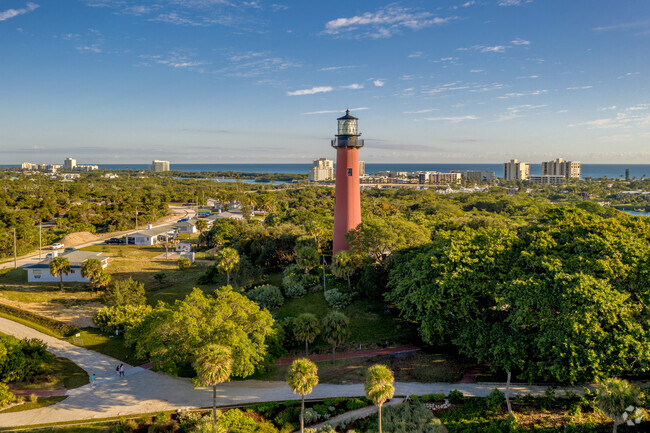
Jupiter’s mix of coastal dunes, mangroves, wetlands, and pine flatwoods creates a haven for birds. These habitats support species such as ospreys, herons, woodpeckers, and migratory warblers. However, habitat loss, pollution, and climate change threaten their survival. By focusing on bird conservation in Jupiter, residents and visitors help maintain the ecological balance, support biodiversity, and preserve the natural beauty that defines this area.
Top Actions for Protecting Local Birdlife
There are several practical steps anyone can take to contribute to the well-being of Jupiter’s birds. These actions range from simple changes at home to community-wide efforts.
- Maintain Native Landscaping: Planting native trees, shrubs, and flowers provides essential food and shelter for birds. Avoid invasive species, which can disrupt local ecosystems.
- Keep Cats Indoors: Domestic cats are a significant threat to birds. Keeping pets inside or supervised outdoors reduces predation.
- Reduce Window Collisions: Use decals or screens on large windows to prevent birds from flying into glass, a common cause of injury and death.
- Minimize Pesticide Use: Chemicals can poison birds directly or reduce their insect food sources. Opt for organic gardening methods whenever possible.
- Support Local Conservation Groups: Join or donate to organizations working to preserve habitats and educate the public about protecting birds in Jupiter FL.
- Participate in Citizen Science: Contribute to bird counts and monitoring programs. Your observations help track population trends and inform conservation strategies.
Best Places for Birdwatching and Conservation in Jupiter
Exploring Jupiter’s natural areas not only offers rewarding birdwatching experiences but also helps you understand the importance of habitat protection. Some of the best spots include:
- Riverbend Park: This expansive park features trails through wetlands and forests, attracting woodpeckers, hawks, and songbirds. For more tips on spotting local woodpecker species, see the guide on woodpeckers in Jupiter FL.
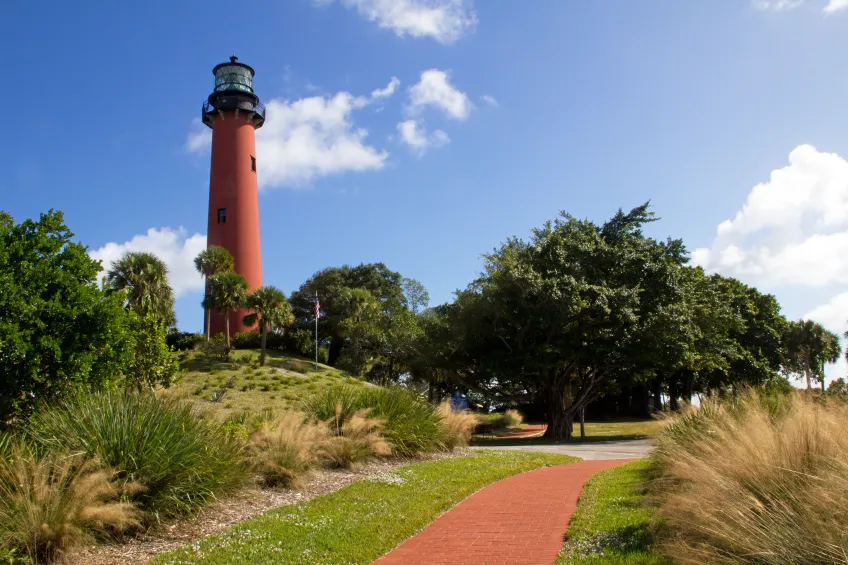
- Jupiter Inlet Lighthouse Outstanding Natural Area: Coastal habitats here are ideal for observing sea birds and migratory flocks. Learn more about coastal birdwatching in the sea birds in Jupiter Florida guide.
- Loxahatchee River: Paddle or walk along the riverbanks to spot herons, egrets, and the occasional rare visitor. For updates on unusual sightings, check out rare bird sightings Jupiter Florida.
- Jonathan Dickinson State Park: This large preserve offers a variety of habitats and is a hotspot during migration seasons. Warbler enthusiasts can find detailed migration tips in the warblers in Jupiter FL article.
For a curated list of outdoor activities and birding tours, the Jupiter birdwatching attractions page provides up-to-date recommendations and reviews.

How to Make Your Property Bird-Friendly
Homeowners and renters alike can contribute to protecting birds in Jupiter FL by making small changes to their yards and balconies. Here are some effective ideas:
- Install Bird Feeders and Baths: Provide clean water and food, but ensure feeders are regularly cleaned to prevent disease.
- Create Shelter: Dense shrubs, brush piles, and nest boxes offer safe nesting and roosting spots.
- Use Native Plants: These support local insects and provide natural food sources for birds year-round.
- Limit Outdoor Lighting: Bright lights can disorient migratory birds. Use motion sensors or shielded fixtures to reduce light pollution.
- Keep Yards Chemical-Free: Fertilizers and pesticides can harm birds directly or through the food chain.
Community Involvement and Education
Conservation is most effective when it’s a community effort. Residents of Jupiter can join local cleanups, attend educational workshops, and participate in bird counts. Schools and community centers often offer programs that teach children and adults about the importance of wildlife stewardship.
Sharing knowledge and resources with neighbors multiplies the impact of individual actions. Encourage friends and family to adopt bird-friendly practices and support local initiatives that preserve natural spaces.
Frequently Asked Questions
What are the most common threats to birds in Jupiter, Florida?
The main dangers include habitat loss due to development, predation by domestic cats, window collisions, pesticide exposure, and climate-related changes such as rising sea levels and stronger storms.
How can I get involved in local bird conservation efforts?
You can join local nature groups, participate in citizen science projects like bird counts, volunteer for habitat restoration, or attend educational events. Supporting organizations that focus on bird protection in Jupiter is also highly effective.
What should I do if I find an injured bird?
If you encounter an injured bird, contact a licensed wildlife rehabilitator or local animal rescue center. Avoid handling the bird more than necessary and keep it in a safe, quiet place until help arrives.
Are there specific times of year when bird protection is especially important?
Yes, during spring and fall migration, many species pass through Jupiter. Nesting season, typically from March to July, is also a critical time to minimize disturbances and protect habitats.
Conclusion
Jupiter’s rich birdlife is a treasure worth preserving. By taking practical steps at home, supporting community initiatives, and staying informed, everyone can play a role in maintaining healthy bird populations. For those eager to expand their knowledge, exploring resources on coastal bird species and rare sightings can deepen your appreciation and commitment to conservation.