
Jupiter, Florida is a destination that draws birdwatchers from across the country. Its unique position along the Atlantic Flyway, combined with a mix of coastal, wetland, and upland habitats, makes it a hotspot for encountering unusual avian visitors. Whether you’re a seasoned birder or just starting out, discovering rare bird sightings Jupiter Florida offers both excitement and the chance to contribute to local wildlife knowledge.
In this guide, you’ll learn the best times and locations for spotting elusive species, how to prepare for a successful outing, and resources to help you identify what you see. For those interested in observing more common species, you might also enjoy reading about ibis sightings in Jupiter to round out your birdwatching experience.
Understanding Unusual Bird Encounters in Jupiter
The region’s diverse ecosystems support a remarkable variety of birds, from migratory songbirds to coastal waders. While many species are regulars, certain times of year bring unexpected visitors. These rare appearances can include vagrants blown off course, out-of-range migrants, or even species not typically found in Florida.
Birders in Jupiter have documented sightings of birds such as the Groove-billed Ani, Western Tanager, and even the elusive Mangrove Cuckoo. Each season brings its own surprises, making every outing a new opportunity for discovery.
Best Seasons for Spotting Rare Birds in Jupiter
Timing is crucial for maximizing your chances of observing rare species. The most productive periods for rare bird sightings Jupiter Florida are during migration windows and after major weather events.
- Spring Migration (March–May): Many birds pass through on their way north, sometimes including unusual warblers, flycatchers, and shorebirds.
- Fall Migration (September–November): This is a prime time for vagrants and unexpected species, as young birds and adults alike move south.
- Post-Storm Events: Hurricanes and strong fronts can bring out-of-range birds to the area, especially along the coast and in open wetlands.
- Winter (December–February): While quieter, winter can still yield surprises, such as rare ducks or northern species escaping colder climates.
Top Locations for Rare Birdwatching Opportunities
Jupiter offers several hotspots where birders frequently report unusual species. Each site provides different habitats, increasing the diversity of birds you might encounter.

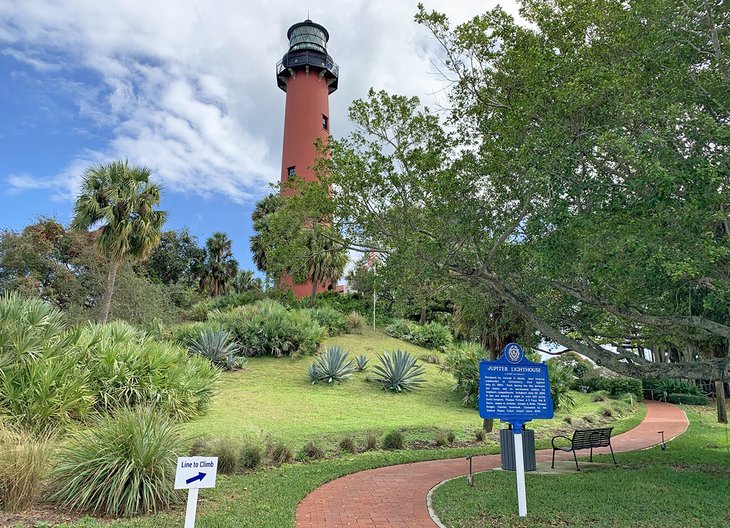
- Jupiter Inlet Lighthouse Outstanding Natural Area: This historic site features coastal scrub, mangroves, and tidal flats. It’s a favorite for spotting migratory songbirds and unexpected coastal species. For more on the birds of this area, see birds of Jupiter Inlet.
- Riverbend Park: The park’s wetlands, cypress swamps, and open fields attract a wide range of birds, including rare flycatchers and woodpeckers.
- Juno Dunes Natural Area: This coastal preserve is known for its diversity, especially during migration. Keep an eye out for rare warblers and raptors.
- Loxahatchee River: The river corridor and adjacent wetlands are excellent for waders, raptors, and the occasional rarity.
Exploring these locations increases your odds of encountering something special. Always check local birding reports and eBird lists for the latest updates on sightings.
Tips for Documenting and Reporting Unusual Sightings
When you spot a bird that seems out of place, good documentation is essential. Take clear photos if possible, note the bird’s size, coloration, behavior, and location. Use a reliable field guide or birding app to help with identification.
Reporting your find to local birding groups or through platforms like eBird helps the broader community track patterns and verify rare occurrences. If you’re interested in learning more about local species, check out guides on songbirds in Jupiter or herons and egrets Jupiter FL for additional context.
Essential Gear for Birdwatchers in Jupiter
Having the right equipment can make all the difference. Here’s what to bring for a successful outing:
- Binoculars: A quality pair allows you to observe distant birds clearly. Consider waterproof models for Florida’s humid conditions.
- Field Guide: A regional guidebook helps with quick identification and learning about local rarities.
- Camera: Even a smartphone can help document rare finds, but a camera with a zoom lens is ideal.
- Notebook or Birding App: Record your observations, dates, and locations for future reference.
- Sun Protection and Water: Florida’s sun can be intense, so bring a hat, sunscreen, and plenty of water.
How to Stay Updated on Recent Rare Sightings
Staying informed about recent discoveries is key to maximizing your chances. Join local birding groups, subscribe to email alerts, and check online resources. The Jupiter birdwatching attractions page is a helpful starting point for finding popular sites and current reports.
Social media groups and platforms like eBird often post real-time updates about rare bird activity. Engaging with the local birding community can also provide tips on where and when to look.

Responsible Birdwatching and Conservation
Observing rare species is a privilege that comes with responsibility. Always keep a respectful distance from wildlife, avoid disturbing nests or sensitive habitats, and follow local guidelines. Reporting your sightings can help conservationists monitor populations and protect critical areas.
If you’re interested in coastal birds, you may also want to learn about pelicans in Jupiter FL and their preferred viewing locations.
Frequently Asked Questions
What are some of the rarest birds ever seen in Jupiter?
Notable rare birds recorded in the area include the Groove-billed Ani, Western Tanager, Mangrove Cuckoo, and occasional western warblers. Sightings vary from year to year, especially during migration and after storms.
When is the best time to look for unusual bird species?
The most productive times are during spring and fall migrations, as well as after major weather events. Early mornings generally offer the best bird activity and lighting for observation.
Where can I find updates on recent rare bird activity?
Local birding groups, eBird, and social media communities are excellent resources. The Jupiter birdwatching attractions page also provides current information on popular sites and recent sightings.
How can I improve my chances of spotting rare birds?
Visit diverse habitats, go out during peak migration, and check recent sighting reports. Bringing binoculars and a field guide will help you identify and document any unusual species you encounter.