
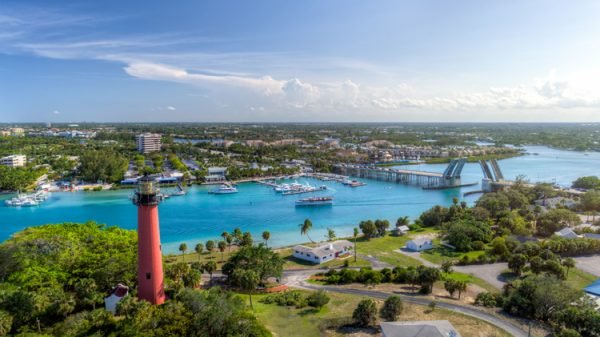
The coastline and wetlands of Jupiter, Florida, are among the best places in the state to observe a dazzling array of shorebirds. With its mix of sandy beaches, tidal flats, and protected preserves, this region attracts both resident and migratory species throughout the year. Whether you’re a seasoned birder or just starting to explore the world of birdwatching, discovering shorebirds in Jupiter FL offers a rewarding experience filled with unique sightings and tranquil moments in nature.
This guide will help you identify the best locations and optimal times for observing these fascinating birds. You’ll also find practical tips, local resources, and suggestions for making the most of your birdwatching outings. For those interested in exploring more habitats, the North Jupiter Flatwoods birdwatching area is a fantastic nearby option, offering a different landscape and additional species to spot.
Top Spots for Observing Shorebirds in Jupiter and Nearby
The region’s diverse habitats support a wide range of shorebird species. Here are some of the most productive and accessible locations for birdwatchers:
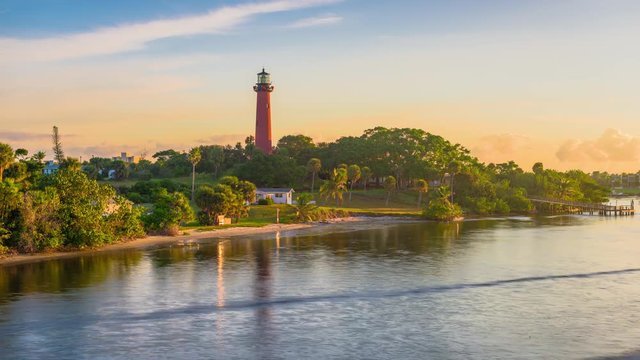
- Jupiter Inlet Lighthouse Outstanding Natural Area: This protected site features tidal flats and mangroves, attracting sandpipers, plovers, and herons. Early mornings are best for spotting birds feeding along the water’s edge.
- Blowing Rocks Preserve: Known for its dramatic limestone formations, this preserve is also a hotspot for sanderlings, ruddy turnstones, and willets, especially during migration seasons.
- Jupiter Beach Park: The sandy shoreline and nearby dunes provide habitat for black-bellied plovers, least terns, and other coastal birds. Visit during low tide for the best viewing opportunities.
- Jupiter Wetlands: For those interested in a broader range of wetland species, the Jupiter Wetlands birdwatching area offers excellent trails and observation points.
- Hobe Sound National Wildlife Refuge: Just a short drive north, this refuge is a haven for migratory and resident shorebirds. Check out the Hobe Sound National Wildlife Refuge birds guide for more details on what to expect.
Many of these locations are part of larger protected areas. For a broader look at conservation efforts and additional birding sites in the region, see this overview of North Palm Beach preserved sites.
Best Times of Year to See Shorebirds in Jupiter
Timing is key when planning your birdwatching outings. The shorebird population in Jupiter fluctuates throughout the year, influenced by migration patterns and seasonal changes.
- Spring (March–May): Northbound migrants pass through, including semipalmated plovers and spotted sandpipers. Early mornings and late afternoons are ideal for sightings.
- Summer (June–August): Some resident species remain, such as willets and black-necked stilts. Activity may slow during midday heat, so plan for early or late visits.
- Fall (September–November): Southbound migration brings an influx of sandpipers, dowitchers, and yellowlegs. This is often the peak season for diversity.
- Winter (December–February): Overwintering species like dunlin and greater yellowlegs are common, especially in protected wetlands and tidal flats.
Weather can also affect bird activity. After storms or during periods of lower human disturbance, shorebirds may be more visible and approachable.

Identifying Common Shorebird Species in the Area
Jupiter’s coastal and wetland habitats are home to a wide variety of shorebirds. Here are some of the most frequently observed species and tips for identifying them:
- Sanderling: Small, pale birds often seen running along the surf, probing for food in wet sand.
- Ruddy Turnstone: Stocky with striking black-and-white patterns and orange legs, known for flipping over stones and debris.
- Willet: Medium-sized, grayish birds with a bold black-and-white wing pattern visible in flight.
- Black-bellied Plover: Larger plover with a distinctive black belly in breeding season and a more muted appearance in winter.
- Semipalmated Plover: Small, with a single black neck band and orange legs, often found in mixed flocks.
- Greater and Lesser Yellowlegs: Tall, slender birds with long yellow legs and distinctive calls, common in marshy areas.
For a more comprehensive list and identification tips, consider bringing a field guide or using a birding app. The Peck Lake Park birdwatching area is another excellent site to spot waterfowl and shorebirds, especially during migration.
Tips for a Successful Birdwatching Experience
To make the most of your time searching for shorebirds in Jupiter FL, keep these practical suggestions in mind:
- Bring the Right Gear: Binoculars are essential for spotting distant birds. A field guide or bird identification app can help with quick reference.
- Dress Appropriately: Lightweight, neutral-colored clothing and sun protection are recommended. Waterproof footwear is helpful for exploring tidal flats.
- Respect Wildlife and Habitats: Observe from a distance, avoid disturbing nesting areas, and stay on marked trails where possible.
- Check Tides and Weather: Low tide often exposes more feeding areas for shorebirds. Early mornings are generally quieter and offer better light for viewing.
- Record Your Sightings: Keeping a birding journal or using an app can enhance your experience and help track seasonal changes.
For those interested in quieter settings, Frenchman’s Forest birdwatching offers peaceful trails and opportunities to see both shorebirds and woodland species.
Frequently Asked Questions
What are the best months to see the most shorebirds in Jupiter?
The highest diversity of shorebirds is typically observed during spring (March–May) and fall (September–November) migrations. During these periods, both resident and migratory species can be spotted along beaches, inlets, and wetlands.
Do I need a permit to birdwatch in Jupiter’s preserves?
Most public parks and preserves in the Jupiter area do not require a permit for casual birdwatching. However, some areas may have parking fees or require registration for guided tours. Always check the specific site’s regulations before visiting.
Which shorebird species are easiest for beginners to identify?
Sanderlings, willets, and ruddy turnstones are among the easiest to spot and recognize due to their distinctive behaviors and markings. These birds are commonly found along the shoreline and are active during daylight hours.
Are there guided birdwatching tours available in Jupiter?
Yes, several local organizations and nature centers offer guided tours and bird walks, especially during peak migration seasons. These tours can be a great way to learn from experienced birders and discover new locations.