
Living by the ocean offers breathtaking views and a unique lifestyle, but it also brings exposure to harsh weather conditions. Storm resistant coastal homes are designed to withstand high winds, flooding, and saltwater corrosion, making them essential for anyone building or renovating near the shoreline. Understanding the core elements that make these houses resilient can help homeowners protect their investment and ensure safety during severe storms.
Whether you’re planning a new build or upgrading an existing property, prioritizing durability and smart design is crucial. This article explores the most important features and construction strategies for homes in coastal areas, helping you make informed decisions for long-term peace of mind.
For those interested in responsible beach living, you may also want to learn about how to dispose of dog waste properly at the beach to help preserve the local environment.
Why Building for Coastal Storms Matters
Homes along the coast face unique challenges that inland properties do not. Hurricanes, tropical storms, and nor’easters can bring destructive winds, flying debris, and flooding. Without the right construction methods and materials, these forces can cause significant damage or even total loss of a home. That’s why storm resistant coastal homes are engineered with features that go beyond standard building codes.
Investing in resilient design not only safeguards your property but can also lower insurance premiums and increase resale value. Many buyers now seek out homes with proven storm protection, making these features a smart long-term investment.
Essential Structural Features for Resilience
The foundation and frame of a home are its first line of defense against extreme weather. Here are some of the most important elements:
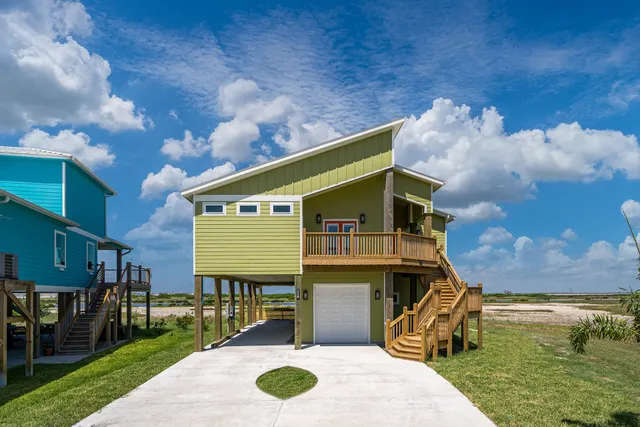
- Elevated Foundations: Raising the home on pilings or piers helps protect against storm surge and flooding. This is especially important in areas designated as flood zones.
- Reinforced Concrete and Steel: Using concrete or steel frames, rather than wood alone, adds strength and helps resist wind uplift and lateral forces.
- Continuous Load Paths: Connecting the roof, walls, and foundation with hurricane ties and straps ensures that wind forces are transferred safely through the structure, reducing the risk of collapse.
- Impact-Resistant Roofs: Roofs designed with reinforced trusses and securely fastened sheathing are less likely to be torn off by high winds.
Windows, Doors, and Openings: Protecting Vulnerable Points
Openings in the building envelope are often the weakest points during a storm. Modern coastal home storm protection focuses on:
- Impact-Resistant Windows and Doors: These are designed to withstand flying debris and intense pressure changes, reducing the risk of breakage and water intrusion.
- Storm Shutters: Deployable shutters add an extra layer of defense, especially for larger windows or doors that face the ocean.
- Sealed Garage Doors: Reinforced and properly sealed garage doors prevent wind from entering and causing roof lift or structural failure.
Proper installation is just as important as the materials themselves. Even the strongest windows can fail if not anchored correctly to the frame.
Materials That Withstand Coastal Conditions
Salt air, humidity, and intense sunlight can quickly degrade traditional building materials. To ensure longevity, storm resistant coastal homes often use:
- Fiber Cement Siding: This material resists rot, insects, and salt spray, making it ideal for exterior cladding.
- Stainless Steel and Aluminum Hardware: Fasteners, hinges, and brackets made from these metals are less likely to corrode in marine environments.
- Concrete or Tile Roofing: These options are more durable than asphalt shingles and better suited to withstand high winds and salt exposure.
- Moisture-Resistant Insulation: Closed-cell spray foam or rigid foam boards help prevent mold and maintain energy efficiency even if exposed to water.

Smart Design Strategies for Coastal Safety
Beyond materials and structure, the layout and orientation of a home can make a significant difference in storm resilience. Consider these strategies:
- Simple Rooflines: Designs with fewer gables and overhangs are less prone to wind damage.
- Proper Drainage: Sloped lots, elevated landscaping, and well-designed gutter systems help direct water away from the foundation.
- Breakaway Walls: For homes on pilings, lower-level walls designed to collapse under surge pressure protect the main structure above.
- Windbreaks: Planting salt-tolerant trees or installing fences can help reduce wind speed before it reaches the home.
Thoughtful planning at the design stage can minimize vulnerabilities and reduce maintenance needs over time.
Maintenance Tips for Long-Term Durability
Even the best-built homes require ongoing care to remain resilient. Regular maintenance tasks include:
- Inspecting and resealing windows, doors, and roof penetrations to prevent leaks.
- Checking for rust or corrosion on metal hardware and replacing as needed.
- Cleaning gutters and downspouts to ensure proper drainage.
- Trimming trees and removing debris that could become projectiles during storms.
Staying proactive with inspections and repairs helps catch small issues before they become major problems, especially in harsh coastal environments.
Planning and Building: Resources and Regulations
Local building codes for coastal areas are often stricter than those inland, reflecting the increased risks. It’s important to work with architects, engineers, and contractors experienced in storm resistant coastal home design. They can help navigate requirements and recommend the best products for your location.
For a deeper dive into the process, consider reading the ultimate guide to building a custom coastal home in 2025, which covers everything from site selection to finishing touches.
Frequently Asked Questions
What is the best foundation type for homes near the ocean?
Elevated foundations, such as pilings or piers, are typically the most effective for coastal properties. They help protect the main living areas from flooding and storm surge, which are common threats in these regions.
How can I make my existing coastal home more storm resistant?
Upgrades like installing impact-resistant windows, reinforcing doors, adding storm shutters, and improving roof connections can significantly enhance the resilience of an older home. Regular maintenance and inspections are also key to addressing vulnerabilities.
Are there specific materials that last longer in salty, humid environments?
Yes. Fiber cement siding, stainless steel hardware, and concrete or tile roofing are all excellent choices for durability in coastal climates. These materials resist corrosion, rot, and insect damage better than many traditional options.
Conclusion
Building or upgrading for coastal storms requires careful planning, quality materials, and expert construction. By focusing on elevated foundations, reinforced structures, impact-resistant openings, and weatherproof materials, homeowners can greatly reduce the risks posed by severe weather. With regular maintenance and attention to local codes, these resilient homes offer both safety and long-term value for those who love living by the sea.