
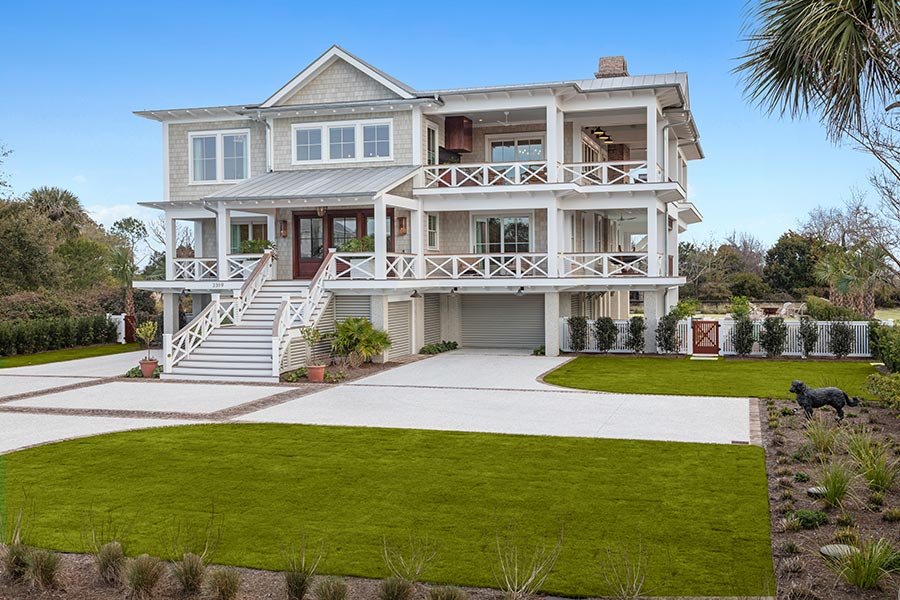
Building a home along the coast comes with unique opportunities and challenges. The allure of ocean views and fresh breezes is undeniable, but the environment demands thoughtful planning and responsible building practices. Sustainable coastal home construction is about more than just aesthetics—it’s about resilience, efficiency, and minimizing environmental impact. This guide explores key strategies, materials, and considerations for creating a coastal residence that stands the test of time while respecting its surroundings.
Before diving into the technical details, it’s important to recognize that coastal living often intersects with local regulations, community guidelines, and environmental stewardship. For those who enjoy beachside activities with pets, understanding topics like how to dispose of dog waste properly at the beach is just one example of responsible coastal living that complements sustainable building efforts.
Principles of Eco-Friendly Building by the Shore
Constructing a home in a coastal area requires a balance between durability and environmental sensitivity. The following principles are central to sustainable coastal home construction:
- Resilience to Weather: Homes must withstand high winds, salt spray, and potential flooding.
- Resource Efficiency: Use of renewable, recycled, or locally sourced materials reduces the carbon footprint.
- Minimal Site Disturbance: Preserving native vegetation and natural land contours helps maintain local ecosystems.
- Energy Conservation: Passive solar design, insulation, and efficient systems lower energy use.
- Water Management: Rainwater harvesting and permeable surfaces help manage stormwater and reduce runoff.
Choosing the Right Materials for Coastal Durability
Material selection is a cornerstone of responsible building in marine environments. The right choices can dramatically extend the lifespan of a structure and reduce maintenance needs.
- Corrosion-Resistant Metals: Stainless steel, aluminum, and galvanized fasteners resist rust from salt air.
- Fiber Cement Siding: This material offers excellent resistance to moisture, pests, and fire.
- Composite Decking: Made from recycled plastics and wood fibers, composite decking withstands harsh conditions and requires less upkeep than traditional wood.
- Impact-Resistant Glass: Windows and doors with reinforced glass protect against storms and improve energy efficiency.
- Reclaimed and Local Woods: When treated properly, these woods can be both beautiful and sustainable.
Design Strategies for Resilient and Efficient Coastal Homes
Smart design is essential for homes near the ocean. Here are some proven approaches to maximize resilience and sustainability:
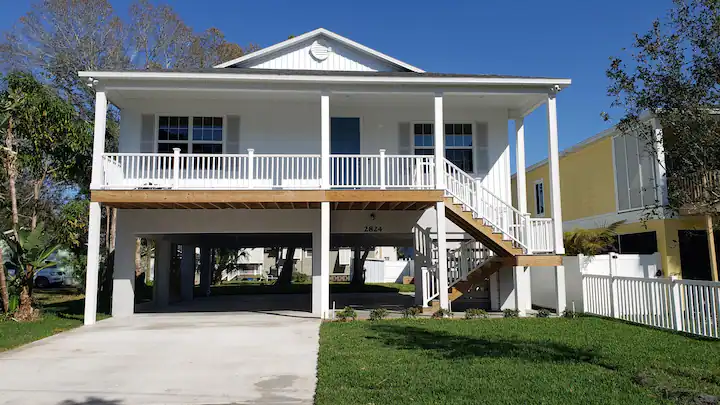
- Elevated Foundations: Raising the structure on pilings or piers protects against flooding and storm surges. This also allows natural water flow and reduces impact on the landscape.
- Wind-Resistant Roofs: Hip roofs and securely fastened roofing materials help homes withstand strong coastal winds.
- Cross-Ventilation: Orienting windows and doors to capture prevailing breezes reduces reliance on air conditioning.
- Shading and Overhangs: Deep eaves, pergolas, and shutters minimize heat gain and protect interiors from intense sun.
- Native Landscaping: Using salt-tolerant, drought-resistant plants reduces water use and supports local wildlife.
Energy and Water Efficiency in Coastal Construction
Reducing energy and water consumption is a key part of sustainable building. Coastal homes can take advantage of their unique setting to boost efficiency:
- Solar Panels: Coastal regions often receive ample sunlight, making solar energy a practical choice for electricity and water heating.
- High-Performance Insulation: Proper insulation keeps interiors comfortable year-round and reduces energy bills.
- Rainwater Harvesting: Collecting rainwater for irrigation or non-potable uses eases the strain on municipal supplies.
- Low-Flow Fixtures: Water-efficient toilets, showers, and faucets help conserve fresh water.
- Smart Home Technology: Automated systems for lighting, climate, and irrigation optimize resource use.
Permitting, Regulations, and Community Considerations
Every coastal area has its own set of building codes, environmental regulations, and community guidelines. Understanding these is crucial for a smooth construction process and long-term compliance. Many regions require:
- Environmental impact assessments
- Flood zone and hurricane-resistant design standards
- Permits for shoreline access or dune protection
- Adherence to local architectural styles or height restrictions
Engaging with local authorities and neighbors early in the planning process can help identify potential issues and foster goodwill. For those seeking more in-depth planning advice, resources like this comprehensive guide to building a custom coastal home offer valuable insights into the latest trends and requirements.
Long-Term Maintenance and Adaptation
Even the most thoughtfully designed coastal homes require ongoing care. Salt, wind, and moisture can accelerate wear and tear, so proactive maintenance is essential:
- Regular inspections of roofing, siding, and foundations
- Prompt repairs to prevent water intrusion
- Use of marine-grade paints and sealants
- Cleaning and lubricating hardware exposed to salt air
- Updating systems and materials as new, more sustainable options become available
Adapting to changing climate conditions—such as rising sea levels or increased storm activity—may also require retrofitting or upgrading certain features over time.
Integrating Sustainable Living with Coastal Lifestyles
Building sustainably doesn’t end when construction is complete. Everyday choices make a difference, from reducing single-use plastics to supporting local conservation efforts. For pet owners, resources like the Jupiter dog beach visitor guide for tourists can help integrate responsible recreation with eco-friendly living.
Community involvement, ongoing education, and a commitment to stewardship ensure that coastal homes remain both beautiful and beneficial for generations to come.
Frequently Asked Questions
What are the most important features of a sustainable coastal home?
The most critical features include elevated foundations for flood protection, use of corrosion-resistant and durable materials, energy-efficient systems, and landscaping with native plants. These elements work together to increase resilience and reduce environmental impact.
How can I make my coastal home more energy efficient?
Incorporate passive solar design, install high-performance insulation, use energy-efficient windows and doors, and consider renewable energy sources like solar panels. Smart home technology can further optimize energy use.
Are there specific regulations for building near the ocean?
Yes, most coastal areas have strict regulations regarding building height, setbacks, flood resistance, and environmental protection. It’s essential to consult with local authorities and review all permitting requirements before starting construction.