

Understanding dolphin social structures is essential for anyone interested in marine biology, wildlife observation, or simply appreciating the complexity of these intelligent marine mammals. Dolphins are renowned for their playful behavior, but beneath the surface lies a sophisticated system of relationships, cooperation, and communication. This article explores the organization of dolphin groups, the dynamics of their alliances, and the significance of these structures in their daily lives.
Whether you’re a wildlife enthusiast, a boater hoping to spot dolphins, or someone planning a trip to the coast, knowing how dolphins interact can enrich your experience. If you’re visiting coastal areas with your dog, you might also find it helpful to learn about how to dispose of dog waste properly at the beach to help protect marine life like dolphins.
What Is a Dolphin Pod?
The term pod refers to the basic social unit among dolphins. A pod typically consists of a group of dolphins that travel, hunt, and socialize together. Pod sizes can vary significantly, ranging from just a few individuals to over a dozen, depending on the species and local environmental conditions.
Within a pod, dolphins establish strong social bonds. These relationships are maintained through frequent physical contact, vocalizations, and cooperative behaviors. Mothers and calves form especially close ties, with young dolphins learning essential survival skills from their mothers and other pod members.
- Protection: Pods offer safety in numbers, helping dolphins defend against predators like sharks.
- Cooperation: Group hunting allows dolphins to corral fish or squid more efficiently.
- Learning: Young dolphins observe and mimic adult behaviors, accelerating their development.
Pod Alliances and Complex Social Networks
Some dolphin species, especially bottlenose dolphins, display even more intricate social arrangements. Beyond the pod, dolphins can form alliances—long-term cooperative relationships between two or more pods or subgroups. These alliances are most famously observed in the bottlenose dolphins of Shark Bay, Australia, but similar patterns occur in other regions.
Alliances can serve various purposes:
- Access to Mates: Male dolphins may form alliances to increase their chances of mating with females.
- Territory Defense: Groups may work together to defend feeding or breeding grounds.
- Resource Sharing: Alliances can help dolphins exploit food resources more effectively.
These complex relationships demonstrate a high level of social intelligence and flexibility. Dolphins can recognize individuals, remember past interactions, and adjust their behavior based on social context.

Communication and Social Behavior
Dolphins rely on a sophisticated communication system to maintain their social structures. They use a variety of sounds, including clicks, whistles, and burst-pulsed noises, to convey information and coordinate group activities. Each dolphin has a unique signature whistle, functioning like a name, which helps individuals identify each other even in large groups.
Physical gestures also play a role. Dolphins may touch fins, leap from the water, or slap their tails as signals. These behaviors reinforce social bonds and help coordinate group movements.
Researchers have found that dolphins can solve problems together, cooperate in hunting, and even display empathy toward injured or distressed pod members. This level of social intelligence is rare among non-human animals and highlights the importance of group cohesion in dolphin societies.
Factors Influencing Dolphin Group Dynamics
The organization of dolphin groups is influenced by several factors:
- Species: Different dolphin species have varying social tendencies. For example, orcas (killer whales) form highly stable matrilineal pods, while some oceanic dolphins form large, fluid groups.
- Habitat: Coastal dolphins often form smaller, more stable pods, while those in open ocean environments may gather in larger, more transient groups.
- Food Availability: The abundance and distribution of prey can cause pods to split or merge as dolphins follow food sources.
- Human Activity: Boating, fishing, and pollution can disrupt natural group structures and behaviors. Practicing safe boating practices helps minimize disturbances to dolphin populations.
Observing Dolphins Responsibly
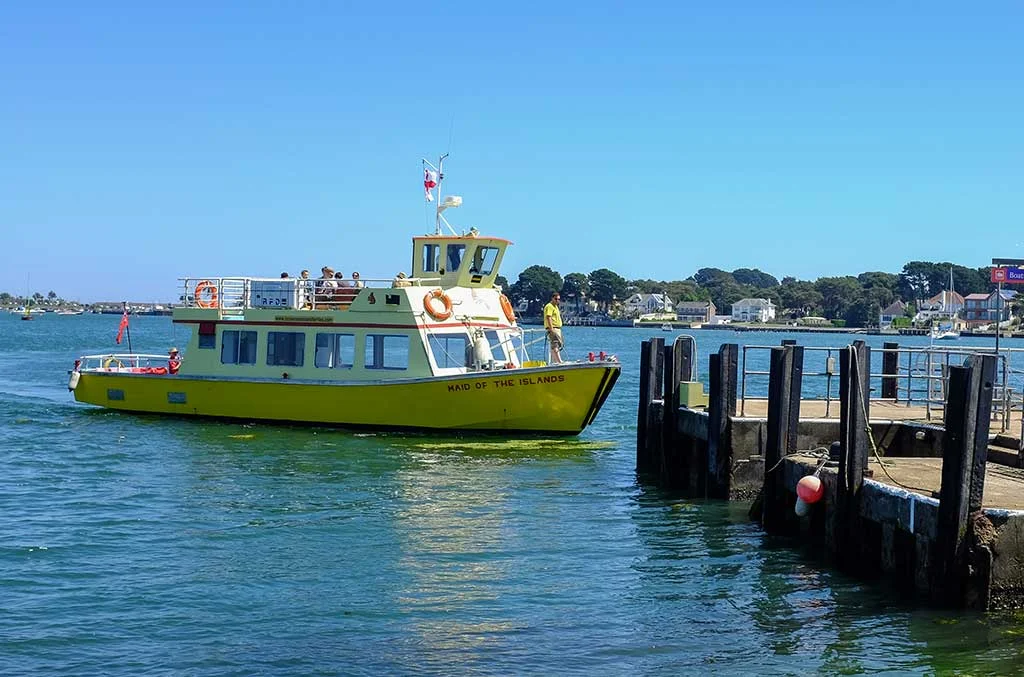
Watching dolphins in their natural habitat can be a memorable experience, but it’s important to respect their space and social organization. Approaching pods too closely with boats or watercraft can disrupt their behavior, separate mothers from calves, or interfere with hunting and communication.
For those interested in dolphin watching, using binoculars and polarized sunglasses can enhance your view while keeping a respectful distance. Always follow local guidelines for wildlife observation, and avoid feeding or attempting to touch wild dolphins.
Why Social Structures Matter for Dolphin Conservation
Recognizing the importance of dolphin group organization is crucial for effective conservation. Disruptions to pods and alliances—whether from habitat loss, noise pollution, or direct human interference—can have long-term impacts on dolphin populations. Conservation efforts increasingly focus on protecting not just individual dolphins, but also the social fabric that supports their survival and well-being.
Understanding these dynamics also helps scientists monitor dolphin health, track population changes, and identify threats. When planning coastal activities, being mindful of dolphin social behavior can contribute to their protection and the overall health of marine ecosystems.
Frequently Asked Questions
How large can a dolphin pod get?
Pod size varies by species and environment. Coastal bottlenose dolphins often form pods of 2–15 individuals, while some oceanic species can gather in groups of several hundred during feeding or migration.
Do all dolphin species form alliances?
Not all species form alliances, but several, including bottlenose dolphins, are known for creating complex social networks beyond their immediate pods. The nature and stability of these alliances depend on the species and local conditions.
How do dolphins recognize each other?
Dolphins use unique signature whistles to identify individuals. These vocalizations function much like names, allowing dolphins to maintain relationships and coordinate activities within their social groups.
Conclusion
The intricate social lives of dolphins reveal a level of intelligence and cooperation that continues to fascinate scientists and wildlife enthusiasts. By learning about the way dolphins organize themselves into pods and alliances, we gain a deeper appreciation for their adaptability and the importance of protecting their habitats. If you’re planning a trip to the beach, consider reading the Jupiter dog beach visitor guide for tourists to make the most of your coastal adventure while respecting marine life.