
The region around Jupiter, Florida, is renowned for its diverse ecosystems and abundant birdlife. From tranquil lakes to expansive wetlands, this area offers some of the most rewarding opportunities for observing waterfowl in Jupiter FL. Whether you’re a local resident, a visiting birder, or simply enjoy spending time in nature, the waterways and marshes here attract a remarkable variety of ducks, herons, egrets, and other aquatic birds throughout the year.
Exploring these habitats not only provides a chance to see rare and beautiful species, but also supports conservation efforts by raising awareness of the importance of Florida’s natural landscapes. For those interested in expanding their birdwatching adventures, resources like North Jupiter Flatwoods birdwatching offer additional insights into local hotspots.
Top Spots for Observing Waterfowl Near Jupiter
The area is dotted with lakes, marshes, and protected wetlands that serve as essential habitats for water birds. Here are some of the most notable locations for spotting a wide range of species:
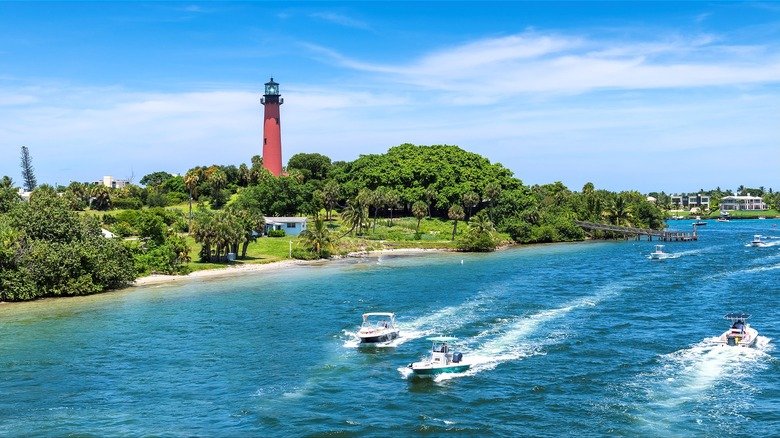
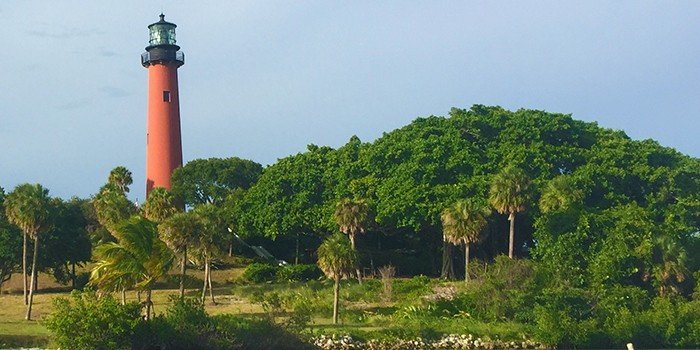
- Jupiter Inlet Lighthouse Outstanding Natural Area: This unique site combines historical significance with rich biodiversity. The tidal wetlands and mangroves here are a magnet for wading birds, ducks, and migratory species. For more details on visiting, check the official Florida Birding Trail guide.
- Riverbend Park: Known for its scenic trails and waterways, Riverbend Park is a favorite among local birders. The park’s ponds and cypress swamps host wood ducks, mottled ducks, and a variety of herons.
- Loxahatchee River: This wild and scenic river winds through several protected areas. Kayaking or canoeing here offers close encounters with egrets, ibises, and the occasional black-bellied whistling duck.
- Peck Lake Park: A lesser-known gem, this park’s brackish lagoon and marshes are ideal for observing waterfowl. For a detailed guide, see Peck Lake Park birdwatching.
- Jupiter Wetlands: These restored wetlands are a haven for aquatic birds, especially during migration. Learn more about the species you might encounter in the Jupiter Wetlands birdwatching guide.
Common and Notable Waterfowl Species
The wetlands and lakes around Jupiter support a remarkable diversity of birds. While some species are year-round residents, others pass through during migration. Here are a few you’re likely to encounter:
- Mottled Duck: A Florida specialty, these ducks are often seen in shallow marshes and ponds.
- Wood Duck: Recognizable by their striking plumage, wood ducks nest in tree cavities near water.
- Blue-winged Teal: These small, agile ducks are common during migration seasons.
- Great Egret and Snowy Egret: Both species are elegant waders found throughout the region’s wetlands.
- Roseate Spoonbill: With their vibrant pink feathers, these birds are a highlight for many visitors.
- Black-bellied Whistling Duck: Increasingly common in South Florida, these distinctive ducks are often heard before they are seen.

Best Times and Seasons for Birdwatching
Timing your visit can make a significant difference in the variety of birds you’ll see. The cooler months from late fall through early spring are typically the most productive for observing waterfowl in Jupiter FL and the surrounding wetlands. During this period, migratory ducks, geese, and shorebirds join the resident populations, creating peak diversity.
Early morning is generally the best time of day for birdwatching, as birds are most active and lighting conditions are ideal. If you’re visiting in summer, be prepared for higher temperatures and the possibility of afternoon thunderstorms, but you’ll still find plenty of resident species in the area’s lakes and marshes.
Essential Gear and Tips for Spotting Waterfowl
To get the most out of your birdwatching experience, consider bringing the following items:
- Binoculars: A quality pair of binoculars is invaluable for identifying distant birds and observing subtle field marks.
- Field Guide: A regional bird guide helps with quick identification and learning about local species.
- Camera: Many birders enjoy capturing photos of rare or beautiful birds. A camera with a zoom lens is ideal for wildlife photography.
- Sun Protection: Hats, sunglasses, and sunscreen are essential for Florida’s sunny climate.
- Water and Snacks: Stay hydrated and energized, especially if you plan to spend several hours outdoors.
Move quietly and patiently along trails and boardwalks. Scan open water, reed beds, and mudflats for movement. If you’re new to the area, joining a guided walk or connecting with local birding groups can provide valuable tips and help you discover hidden gems.
Conservation and Responsible Birdwatching
The wetlands and lakes that attract so many birds are also vital for the region’s environmental health. Practicing responsible birdwatching helps protect these habitats for future generations. Stay on designated trails, avoid disturbing nesting birds, and respect posted signs and private property.
Supporting local conservation initiatives and participating in citizen science projects, such as bird counts, can make a meaningful difference. If you’re interested in exploring more quiet nature trails, Frenchman’s Forest birdwatching is another excellent option nearby.
Nearby Nature Reserves and Additional Birding Destinations
Beyond the core wetlands and lakes, several nearby reserves offer even more opportunities to observe water birds and other wildlife:
- Hobe Sound National Wildlife Refuge: This protected area features a mix of coastal dunes, mangroves, and freshwater ponds. It’s a hotspot for migratory shorebirds and waterfowl. Learn more about the birds you might spot at Hobe Sound National Wildlife Refuge birds.
- Frenchman’s Forest Natural Area: With its quiet trails and seasonal wetlands, this preserve is ideal for peaceful birdwatching.
- North Jupiter Flatwoods: This area’s pine flatwoods and wet prairies attract a different mix of species, including both waterfowl and upland birds.
Frequently Asked Questions
What are the best months to see migratory waterfowl in the Jupiter area?
The prime months for observing migratory ducks and other water birds are from November through March. During this time, many species travel south to Florida’s wetlands, increasing the diversity and numbers seen in local lakes and marshes.
Do I need a permit to birdwatch in Jupiter’s parks and wetlands?
Most public parks and preserves in the area do not require a special permit for birdwatching. However, some sites may have entrance fees or parking charges. Always check the specific regulations for each location before visiting.
Which waterfowl species are considered rare or special finds in Jupiter?
While many ducks and waders are common, spotting a roseate spoonbill, black-bellied whistling duck, or a flock of blue-winged teal is always a highlight. Occasionally, birders may encounter less common species such as the fulvous whistling duck or even a wayward northern pintail during migration.
Are there guided tours or birding groups in the Jupiter area?
Yes, several local organizations and nature centers offer guided bird walks and educational programs. Joining a group can help beginners learn more about identifying species and understanding bird behavior.
Where can I learn more about the habitats and birds of Jupiter’s wetlands?
For in-depth information, visit resources like the Florida Birding Trail’s Jupiter Inlet Lighthouse guide or explore local guides such as Jupiter Wetlands birdwatching.