
Building a home near the ocean offers unique rewards and challenges. The process of coastal home construction involves specialized techniques, materials, and planning to ensure durability, safety, and comfort in environments exposed to salt air, humidity, storms, and shifting land. Whether you are considering a new build or renovating an existing property, understanding the fundamentals of this type of construction is essential for long-term success.
In addition to weather and environmental factors, coastal building projects often require careful attention to local regulations and ecological impact. For those interested in supporting the environment, you might also explore ways to help local birds in Jupiter FL as part of your sustainable home journey.

Understanding the Basics of Building by the Coast
Constructing homes in coastal regions is distinct from inland projects. The proximity to the ocean means structures must withstand high winds, salt spray, flooding, and sometimes hurricanes or tropical storms. This requires a thoughtful approach to site selection, design, and materials.
- Site assessment: Evaluating elevation, soil stability, and flood risk is crucial before breaking ground.
- Regulatory compliance: Many coastal areas have strict building codes to protect both property and the environment.
- Resilience planning: Homes must be designed for wind resistance, corrosion protection, and water management.

Key Elements of Coastal Home Construction
To answer the question of what is coastal home construction in practical terms, it’s important to look at the core features that set these projects apart:
1. Foundation and Elevation Strategies
Coastal homes are often built on pilings or piers to elevate them above potential floodwaters. This approach helps protect the structure from storm surges and allows water to flow beneath the house, reducing pressure on the foundation.
- Pile foundations: Driven deep into the ground for stability on sandy or shifting soils.
- Slab-on-grade: Used in some areas with less flood risk, but less common right on the shoreline.
- Breakaway walls: Designed to give way under extreme water pressure, minimizing structural damage.
2. Material Selection for Durability
The coastal environment is harsh on traditional building materials. Salt air accelerates corrosion and decay, so builders choose products that can withstand these conditions:
- Stainless steel, aluminum, and galvanized fasteners: Resist rust and corrosion.
- Fiber cement siding and composite decking: Offer longevity and low maintenance.
- Impact-resistant windows and doors: Provide protection from windborne debris and storms.
3. Weatherproofing and Moisture Control
Moisture is a constant concern for homes near the ocean. Proper sealing, ventilation, and drainage systems are essential to prevent mold, mildew, and rot.
- Waterproof membranes: Applied to roofs and walls for extra protection.
- Proper flashing and gutters: Direct water away from the structure.
- Ventilated crawl spaces and attics: Help manage humidity and airflow.
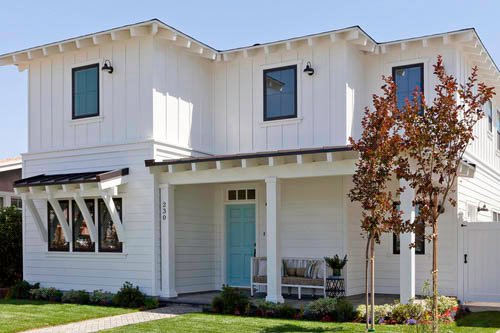
Design Considerations for Coastal Living
Beyond structural concerns, designing for comfort and aesthetics is a key part of coastal building. Open floor plans, large windows, and outdoor living spaces are popular choices, maximizing views and natural light while maintaining resilience.
- Orientation: Positioning the home to capture breezes and minimize sun exposure can improve energy efficiency.
- Outdoor spaces: Decks, porches, and patios are often raised and built with weather-resistant materials.
- Color choices: Light colors reflect heat and resist fading from intense sun and salt air.
Many homeowners also incorporate sustainable features, such as rainwater collection or native landscaping, to reduce environmental impact and maintenance needs.
Regulations and Permits in Coastal Areas
Building near the shoreline typically involves more oversight than inland construction. Local, state, and federal agencies may all have a say in what you can build and where. Common requirements include:
- Setback rules: Minimum distances from dunes, wetlands, or the high-water mark.
- Flood zone compliance: Structures must meet elevation and design standards for flood-prone areas.
- Environmental impact assessments: Evaluations to protect wildlife, vegetation, and water quality.
For a deeper dive into the planning process, this essential guide to building your dream coastal home offers further insights on navigating regulations and best practices.
Benefits and Challenges of Coastal Construction
Living by the sea is a dream for many, but it comes with both advantages and obstacles. Here’s a balanced look at what to expect:
| Benefits | Challenges |
|---|---|
| Stunning views and direct beach access | Higher construction and insurance costs |
| Cooler breezes and natural light | Exposure to storms, flooding, and erosion |
| Potential for increased property value | Ongoing maintenance due to salt and humidity |
Tips for a Successful Coastal Build
If you’re planning to build or renovate near the ocean, keep these best practices in mind:
- Work with architects and builders experienced in coastal projects.
- Choose materials and finishes rated for marine environments.
- Stay informed about local codes and environmental requirements.
- Invest in regular maintenance to protect your investment.
- Consider sustainable features to minimize your ecological footprint.
Homeowners in coastal communities often find that supporting local conservation efforts, such as creating bird-friendly gardens in Jupiter FL, enhances both property value and environmental health.
Frequently Asked Questions
What makes coastal home construction different from other types of building?
The main differences are the need for elevated foundations, corrosion-resistant materials, and designs that withstand high winds, salt exposure, and flooding. Special permits and environmental considerations are also typical.
Which materials are best for homes near the ocean?
Durable, low-maintenance materials like stainless steel, fiber cement, composite decking, and impact-rated glass are commonly used. These choices help prevent rust, rot, and storm damage.
Are there special insurance requirements for coastal properties?
Yes, most coastal homes require additional flood and windstorm insurance. Premiums can be higher due to increased risks, so it’s important to budget for these costs when planning your project.
How can I make my coastal home more environmentally friendly?
Use native plants for landscaping, install rainwater collection systems, and choose energy-efficient appliances. Supporting local wildlife, such as participating in endangered bird conservation in Jupiter FL, can also make a positive impact.