
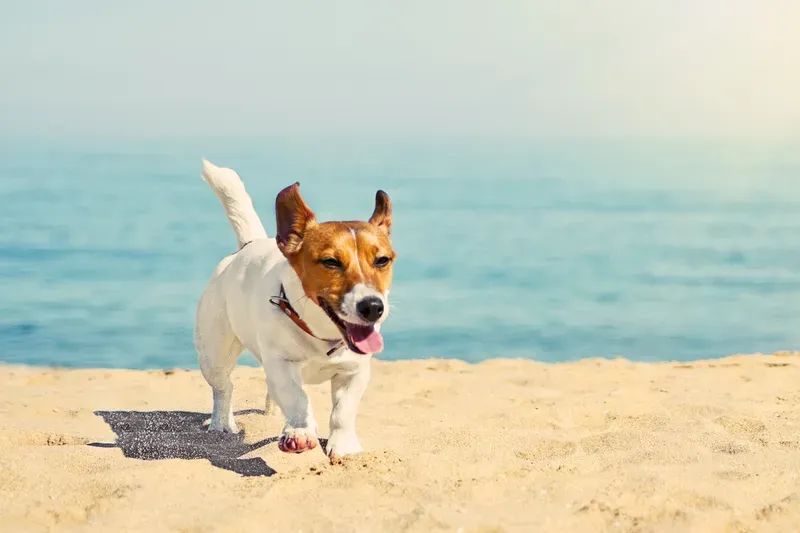
Taking your dog to the beach is one of the best ways to let them enjoy the outdoors, burn off energy, and explore new environments. However, the sand, saltwater, and sun can be tough on standard pet gear. Choosing what kind of collar is best for the beach isn’t just about style—it’s about safety, comfort, and durability in a unique environment. The right collar can make a big difference in your dog’s beach experience, helping you keep them secure while withstanding the elements.
In this guide, you’ll learn how to select the most suitable collar for seaside adventures. We’ll cover the top materials, essential features, and recommended products, so you can confidently prepare for your next trip to the shore. If you’re planning a visit to a popular spot, reading jupiter dog beach reviews for pet owners can offer real-world insights into what works best for local conditions.
Why Beach Conditions Demand Special Collars
Standard collars may not hold up well at the beach. Sand can cause abrasion, saltwater can corrode metal parts, and wet materials can lead to discomfort or even skin irritation for your dog. When considering what kind of collar is best for the beach, it’s crucial to look for options designed to handle these challenges.
- Durability: Beach play is rough on gear. Collars must resist fraying, tearing, and corrosion.
- Water Resistance: Materials should not absorb water, which can cause odors and discomfort.
- Easy Cleaning: Sand and salt can quickly make collars dirty. Choose options that rinse clean with minimal effort.
- Comfort: Your dog will be running, swimming, and rolling. The collar should not chafe or irritate their skin.
For more on keeping your dog safe during active beach play, check out jupiter beach dog jumping in waves safety for practical tips.

Top Materials for Beach-Ready Dog Collars
Not all collars are created equal, especially when exposed to sand and salt. Here are the most reliable materials for seaside use:
Biothane: The Ultimate Beach Collar Material
Biothane is a coated webbing that’s waterproof, odor-resistant, and incredibly durable. It doesn’t absorb moisture, so it won’t get heavy or develop a smell after a swim. Biothane collars are also easy to rinse clean and dry quickly, making them a favorite among dog owners who frequent the shore.
Neoprene: Comfortable and Quick-Drying
Often used in wetsuits, neoprene is soft, flexible, and dries fast. Collars with a neoprene lining provide extra comfort for dogs with sensitive skin. While not as tough as biothane, neoprene is still a solid choice for occasional beach outings.
Nylon: Lightweight but Needs Care
Nylon collars are affordable and lightweight. However, they can absorb water and sand, which may lead to odors or irritation if not cleaned thoroughly after each use. Look for nylon collars with quick-dry features or water-resistant coatings for better performance at the beach.
Essential Features for Beach Collars
Beyond material, the best collars for the beach include features that enhance safety and usability:
- Rustproof Hardware: Stainless steel or coated metal buckles and D-rings resist corrosion from saltwater.
- Quick-Release Buckles: These allow for fast removal if the collar gets tangled or filled with sand.
- Bright Colors: High-visibility collars make it easier to spot your dog on a busy beach or in the water.
- Adjustable Fit: A snug but comfortable fit prevents the collar from slipping off during play.
- Personalized Tags: Ensure your contact information is visible in case your dog wanders off.

Recommended Collars for Seaside Adventures
Based on material and design, here are some top picks that consistently perform well in beach settings:
- Biothane Waterproof Collars: These are widely available and come in a range of colors and sizes. They’re ideal for frequent beachgoers due to their resilience and ease of cleaning.
- Neoprene-Lined Collars: Brands that use neoprene padding offer extra comfort, especially for dogs with sensitive necks or those prone to chafing.
- Reflective Nylon Collars: For those who prefer nylon, look for collars with reflective stitching and rustproof hardware to maximize safety and longevity.
Before heading out, it’s wise to read up on local regulations and tips. The official Jupiter Beach dog guidelines provide up-to-date information on leash rules, hours, and pet etiquette.
Collar Care Tips After a Beach Day
Even the best collar needs regular care to stay in top shape. Here’s how to keep your dog’s gear fresh and functional after every beach visit:
- Rinse Thoroughly: Always rinse the collar with fresh water to remove salt, sand, and debris.
- Dry Completely: Hang the collar in a well-ventilated area. Avoid leaving it in direct sunlight for extended periods to prevent fading or material breakdown.
- Check for Wear: Inspect hardware and stitching regularly. Replace the collar if you notice fraying, rust, or weakened parts.
- Clean Tags: Wipe down ID tags to keep them legible and rust-free.
For more tips on keeping your dog safe and happy at the shore, consider reading about how to tell if the water is too rough for your dog before letting them swim.
Other Beach Gear to Consider
While selecting the right collar for the beach is essential, don’t forget about other accessories that can make your outing safer and more enjoyable:
- Waterproof Leashes: Pair your collar with a leash made from similar water-resistant materials.
- Dog Life Jackets: For strong currents or less confident swimmers, a life vest adds peace of mind.
- Portable Water Bowls: Keep your dog hydrated with a collapsible bowl and fresh water.
- Shade Solutions: Bring a beach umbrella or tent to protect your pet from the sun.
If you’re planning a special event, such as a celebration by the sea, check out this guide on how to plan a dog birthday party at jupiter beach for creative ideas and practical advice.
Frequently Asked Questions
Can my dog wear a regular collar at the beach?
While a standard collar may work for short visits, it’s not recommended for frequent beach trips. Traditional materials can absorb water and sand, leading to discomfort and faster wear. Opt for waterproof or quick-drying collars specifically designed for outdoor use.
How do I clean a beach collar after use?
Rinse the collar thoroughly with fresh water to remove salt and sand. For stubborn dirt, use mild soap and a soft brush. Dry the collar completely before storing it to prevent mold or odors.
Are there collars that help prevent my dog from getting lost at the beach?
Yes, many beach-friendly collars offer personalized nameplates or tags where you can engrave your contact information. Bright colors and reflective materials also make it easier to spot your dog if they wander off. Always supervise your pet and keep them within sight, especially in busy areas.
What should I do if my dog’s collar gets damaged at the beach?
If you notice fraying, rust, or broken hardware, replace the collar immediately. Damaged collars can break unexpectedly, putting your dog at risk. Carry a spare collar in your beach bag for emergencies.
Conclusion
Choosing what kind of collar is best for the beach involves more than just picking a style—it’s about ensuring your dog’s safety, comfort, and enjoyment. Prioritize waterproof materials like biothane or neoprene, look for rustproof hardware, and select bright, visible colors. With the right gear and a little preparation, you and your dog can make the most of every seaside adventure.