
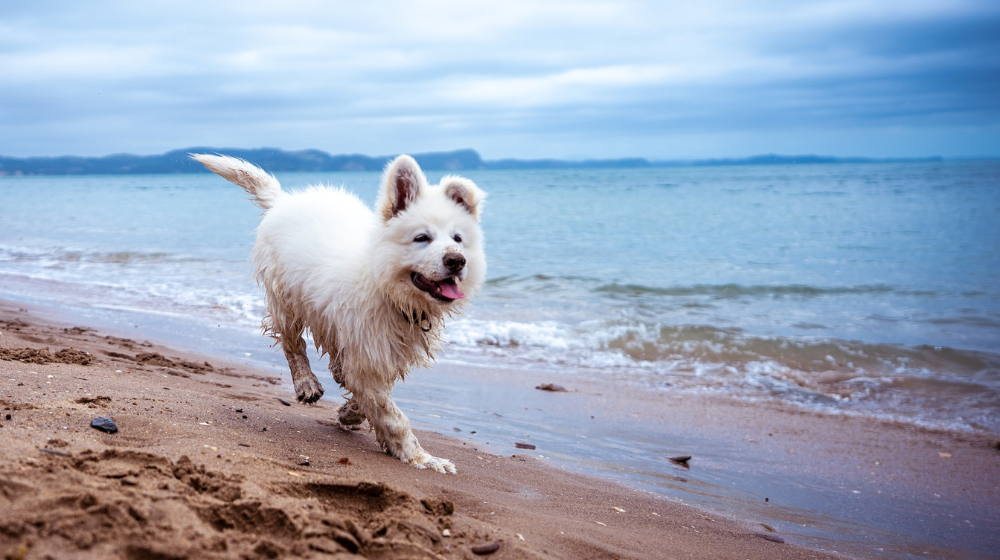
Losing a dog near the shoreline can be a distressing experience for any pet owner. Beaches are open, busy environments with many distractions, making it easy for a curious or anxious dog to wander off. Whether you’re a local or visiting a new coastal spot, knowing what to do if your dog gets lost near the beach is essential for a quick and safe reunion.
Immediate action, local knowledge, and a calm approach can make all the difference. This guide provides step-by-step advice, practical tips, and helpful resources to help you respond effectively if your canine companion goes missing in a beach setting.
For those who frequent Jupiter’s shoreline with their pets, reading Jupiter dog beach reviews for pet owners can provide valuable insights into the area’s layout, dog-friendly amenities, and local support networks. Being familiar with the environment and community can improve your preparedness and response if your dog ever goes missing.
Immediate Steps to Take When Your Dog Disappears at the Coast
When you realize your dog is missing, time is of the essence. The following actions can help you start your search efficiently and increase the chances of a quick reunion:
- Stay calm and retrace your steps. Dogs often circle back to familiar spots or the last place they saw you. Walk slowly, call your dog’s name, and listen for barks or movement.
- Alert nearby people. Speak with lifeguards, other beachgoers, and local dog owners. Provide a clear description of your dog, including breed, size, color, and any distinctive features.
- Check common attractions. Dogs may be drawn to food stands, shaded areas, or groups of people. Scan these spots carefully.
- Leave an item with your scent. Place your towel, shirt, or your dog’s favorite toy at your original spot. Many dogs return to familiar scents.
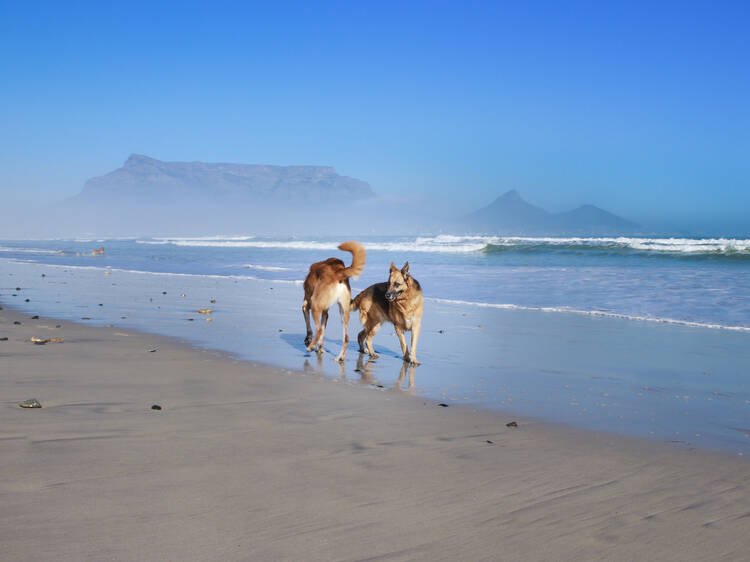
How to Organize a Search Party on the Beach
Enlisting help can expand your search area and bring fresh eyes to the task. Here’s how to coordinate a group search effectively:
- Divide the area into sections. Assign each person a specific zone, such as dunes, boardwalks, parking lots, or nearby parks.
- Share your dog’s photo. If you have a recent picture on your phone, show it to volunteers and staff. Visuals are more effective than descriptions alone.
- Use walkie-talkies or phones. Stay in contact with your group to avoid duplicating efforts and to report any sightings immediately.
- Search both directions. Dogs can travel quickly along the shoreline or into adjacent neighborhoods. Cover both the water’s edge and inland paths.
For more advice on keeping your dog safe and entertained at the shore, check out these Jupiter beach dog jumping in waves safety tips.
Notifying Local Authorities and Beach Services
Many beaches have dedicated staff or animal control officers who can assist in locating lost pets. Here’s what to do:
- Contact lifeguards and beach patrols. They’re familiar with the area and can alert others to keep an eye out for your dog.
- Visit the nearest animal shelter or vet clinic. Lost dogs are sometimes brought in by good Samaritans or found by staff.
- Report your missing pet to local authorities. Provide your contact information and a detailed description of your dog.
- Check lost and found boards. Some beaches have bulletin boards for lost pets. Post a clear photo and your phone number if possible.

Using Technology and Social Media to Find Your Dog
Modern technology can be a powerful ally when searching for a lost pet. Here are some digital strategies to consider:
- Post on local community groups. Use Facebook, Nextdoor, or local pet finder pages to share your dog’s photo and last known location.
- Check lost pet databases. Websites like Petfinder and local shelter listings often update with found animals.
- Enable GPS tracking. If your dog wears a GPS collar, use the app to pinpoint their location. If not, consider investing in one for future outings.
- Monitor beach webcams. Some popular beaches have live cameras that might help you spot your dog from afar.
For more information on dog-friendly coastal living and resources, see this guide to dog-friendly living in Jupiter’s parks, beaches, and homes.
Preventative Measures for Future Beach Visits
While it’s important to know how to respond, prevention is always preferable. Here are some steps to help keep your dog safe during future trips to the shore:
- Use a secure leash and harness. Even well-trained dogs can get startled or distracted by wildlife, waves, or crowds.
- Ensure your dog’s ID is up to date. Tags should include your current phone number. Microchipping adds another layer of security.
- Practice recall commands. Regular training in distracting environments can help your dog respond reliably, even when excited.
- Scout the area ahead of time. Familiarize yourself with the beach’s layout, exits, and any potential hazards.
- Bring recent photos. Having clear, up-to-date images on your phone can speed up the search process if needed.
Planning special outings? Learn how to plan a dog birthday party at Jupiter Beach for a safe and memorable celebration.
Local Insights: Understanding Beach-Specific Challenges
Each coastal area presents unique challenges. Tides, crowds, and wildlife can all impact your search. For example, in some areas, dogs may be drawn to tide pools or rocky outcrops, while in others, they might follow joggers or other pets along the sand. Reading Jupiter dog beach sunrise vs sunset experience articles can help you understand how time of day affects visibility and foot traffic, which could influence your search strategy.
Additionally, some beaches have designated off-leash zones, while others require dogs to be leashed at all times. Knowing the rules and layout can help you anticipate where your dog might go if they slip away.
Frequently Asked Questions
How long should I search before notifying authorities if my dog goes missing at the beach?
It’s best to begin notifying lifeguards, beach patrol, and local shelters within 15–30 minutes if your initial search is unsuccessful. Early notification increases the chances of a quick reunion, as more people will be on the lookout.
What information should I provide when reporting my lost dog?
Give a detailed description including breed, color, size, collar details, and any unique markings. Share a recent photo if possible and provide your contact information. Mention the exact location and time your dog was last seen.
Are there specific times when dogs are more likely to get lost at the beach?
Busy periods such as weekends, holidays, and sunset hours can increase the risk, as crowds and distractions make it easier for pets to slip away unnoticed. Always stay vigilant during these times and use a leash when necessary.
By staying prepared, acting quickly, and using both local and digital resources, you can greatly improve your chances of finding your lost dog near the coast. Remember, prevention and awareness are key to enjoying safe and happy beach days with your best friend.