
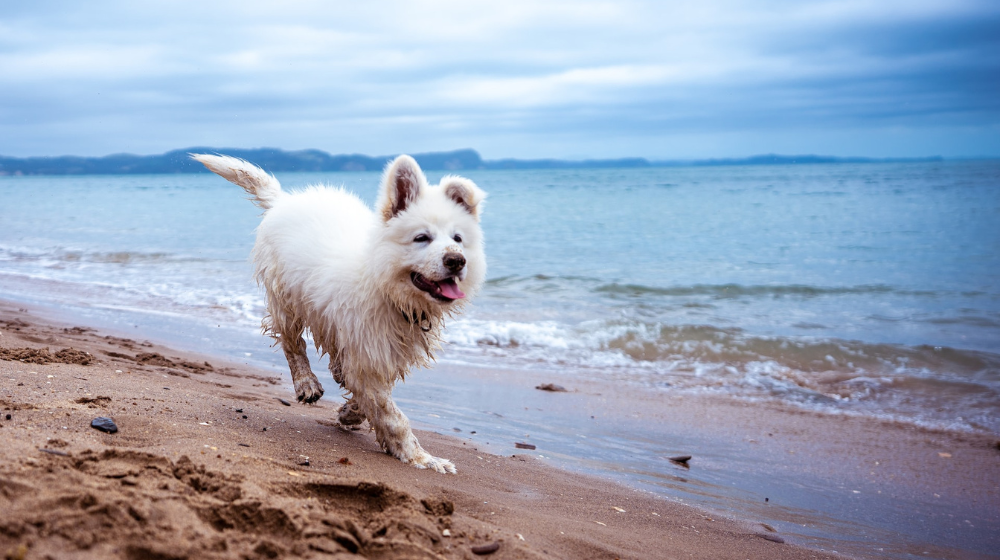
Spending a day at the beach with your dog can be a wonderful experience, but the ocean sometimes brings unexpected hazards. One such risk is a jellyfish sting. If your canine companion encounters a jellyfish, it’s important to know exactly what to do if your dog gets stung by a jellyfish to ensure their safety and comfort. Quick action and the right steps can make a big difference in your dog’s recovery and help prevent complications.
Jellyfish stings are not uncommon along many coastal areas, especially in warmer months. Dogs, curious by nature, may sniff, lick, or step on jellyfish washed up on the sand or floating in shallow water. While most stings are not life-threatening, they can cause pain, swelling, and in rare cases, more serious reactions. Understanding how to recognize and respond to a sting is essential for every dog owner who enjoys beach outings.
For those who frequent popular coastal spots, it’s helpful to read jupiter dog beach reviews for pet owners to learn about other owners’ experiences and get tips on keeping your dog safe at the shore.
Recognizing the Signs of a Jellyfish Sting in Dogs
Before you can respond appropriately, it’s important to identify the symptoms that may indicate your dog has been stung. Dogs may react differently depending on the type of jellyfish and the severity of the sting. Common signs include:
- Sudden yelping, whining, or limping, especially after contact with something in the water or sand
- Redness, swelling, or welts on the skin, particularly on the paws, legs, nose, or mouth
- Excessive licking or chewing at the affected area
- Drooling, vomiting, or signs of discomfort
- In rare cases, difficulty breathing, weakness, or collapse (seek emergency care immediately)
If you notice any of these symptoms after a beach visit, suspect a jellyfish sting and act quickly.

Immediate Actions to Take After a Sting
Knowing what to do if your dog gets stung by a jellyfish can help minimize pain and prevent further injury. Follow these steps:
- Remove your dog from the water and keep them calm. Prevent them from licking or scratching the area.
- Check for visible tentacles on your dog’s skin. If you see any, use a pair of tweezers or the edge of a credit card to gently scrape them off. Avoid touching tentacles with bare hands, as they can still sting.
- Rinse the affected area with seawater (not fresh water). Fresh water can cause the stingers (nematocysts) to release more venom.
- Do not rub the area, as this can worsen the sting.
- If available, apply vinegar to neutralize certain types of jellyfish venom (especially box jellyfish). However, vinegar may not be effective for all species, so use with caution and only if you know the type of jellyfish involved.
- Monitor your dog for signs of a severe reaction, such as difficulty breathing, vomiting, or collapse. If these occur, seek veterinary attention immediately.
After providing first aid, keep your dog quiet and comfortable. Avoid letting them run or swim until you’re sure they’re feeling better.
When to Seek Veterinary Help
Most jellyfish stings in dogs cause mild to moderate discomfort and can be managed with basic first aid. However, some situations require prompt veterinary care:
- Stings to the face, mouth, or eyes
- Signs of an allergic reaction (swelling of the face, hives, difficulty breathing)
- Persistent vomiting, diarrhea, or lethargy
- Large or multiple stings
- Any signs of shock or collapse
If you’re unsure about the severity of the sting, it’s always safer to consult your veterinarian. Bring a photo of the jellyfish if possible, as this can help with identification and treatment.

How to Prevent Jellyfish Stings at the Beach
While it’s not always possible to avoid jellyfish entirely, there are steps you can take to reduce the risk:
- Check local beach advisories for jellyfish warnings before your visit.
- Keep your dog on a leash in unfamiliar areas or when jellyfish are present.
- Discourage your dog from sniffing or playing with objects washed up on the shore.
- Supervise your dog closely, especially in shallow water where jellyfish may be harder to spot.
- Familiarize yourself with jupiter beach dog jumping in waves safety tips to keep your outings fun and secure.
Some beaches are safer than others for pets. Researching dog-friendly living in Jupiter, including parks and beaches, can help you find the best spots for worry-free play.
Aftercare and Monitoring Your Dog’s Recovery
Once you’ve treated the sting and your dog seems comfortable, continue to monitor them for the next 24–48 hours. Watch for delayed reactions such as increased swelling, redness, or signs of infection. Keep the affected area clean and prevent your dog from licking or scratching it. If you notice any concerning changes, contact your veterinarian promptly.
Consider planning future beach trips with extra caution. Bringing a basic pet first aid kit and knowing the nearest veterinary clinic can give you peace of mind. For special occasions, you might enjoy learning how to plan a dog birthday party at Jupiter Beach to make your next visit safe and memorable.
Frequently Asked Questions
Can a jellyfish sting be fatal to dogs?
Most jellyfish stings are not fatal, but some species can cause severe reactions. If your dog shows signs of difficulty breathing, collapse, or severe swelling, seek emergency veterinary care immediately.
Should I use fresh water or seawater to rinse a jellyfish sting?
Always use seawater to rinse the affected area. Fresh water can cause jellyfish stingers to release more venom, increasing pain and irritation.
How long does it take for a dog to recover from a jellyfish sting?
Most dogs recover within a few hours to a couple of days, depending on the severity of the sting. Mild cases resolve quickly with basic first aid, while more serious stings may require veterinary treatment and a longer recovery period.
Conclusion
Knowing what to do if your dog gets stung by a jellyfish is essential for any pet owner who enjoys coastal adventures. By recognizing the signs, acting quickly, and taking preventive measures, you can help your dog recover comfortably and reduce the risk of future incidents. Stay informed, supervise your pet, and enjoy the beach safely together.