
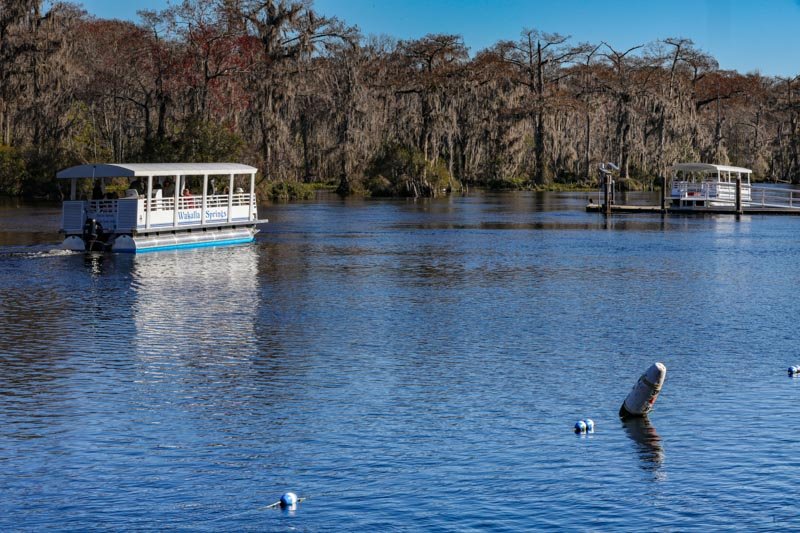
Capturing crisp, detailed photos of wildlife from a moving boat is both exciting and challenging. For those new to this type of photography, the combination of unpredictable animal behavior, shifting light, and the constant motion of the water can make it tough to get sharp results. However, with the right preparation and techniques, anyone can improve their images and enjoy the unique experience of photographing animals from the water.
This guide covers essential tips for beginner wildlife photography on boats, including gear recommendations, camera settings, and practical advice for working in ever-changing conditions. Whether you’re joining a guided river cruise, exploring a lake, or embarking on a coastal adventure, these strategies will help you make the most of your time and capture memorable wildlife moments.
Before diving into technical tips, it’s important to remember that responsible wildlife viewing is just as crucial as getting a great shot. For advice on minimizing your impact and respecting animals in their natural habitat, see how to enjoy wildlife viewing responsibly.
Essential Gear for Sharp Wildlife Photos on the Water
Having the right equipment can make a significant difference when photographing wildlife from a boat. Here’s what to consider as you prepare for your outing:
- Telephoto Lens: A lens with a focal length of 200mm or more helps you fill the frame with distant subjects. Image stabilization is a valuable feature for minimizing blur caused by boat movement.
- Camera with Fast Autofocus: Choose a camera body that can quickly lock onto moving animals. Mirrorless and DSLR cameras with advanced autofocus systems are ideal for this purpose.
- Binoculars: Spotting wildlife before you photograph them is easier with a good pair of binoculars. Consider bringing a pair like the Celestron Binoculars for enhanced viewing.
- Polarized Sunglasses: Glare from the water can make it hard to spot animals and compose shots. Polarized lenses, such as those from Costa, reduce reflections and improve visibility.
- Weather Protection: Bring a rain cover for your camera and a dry bag to keep gear safe from splashes or sudden rain.
For more advice on choosing the right camera and lens combinations for wildlife, check out this comprehensive guide to wildlife photo gear.
Camera Settings for Tackling Motion and Light
Getting sharp images from a moving platform requires careful attention to camera settings. Here are some key adjustments for boat-based wildlife photography:
- Shutter Speed: Use a fast shutter speed (at least 1/1000s) to freeze both the animal’s movement and the motion of the boat. Increase the speed further for birds in flight or fast-moving mammals.
- Aperture: A wider aperture (lower f-number) lets in more light and helps maintain a fast shutter speed. It also creates a pleasing background blur, making your subject stand out.
- ISO: Don’t be afraid to raise the ISO if needed. Modern cameras handle higher ISO values well, and it’s better to have a slightly noisy image than a blurry one.
- Continuous Autofocus: Set your camera to AI Servo (Canon) or AF-C (Nikon/Sony) mode to track moving subjects.
- Burst Mode: Use continuous shooting to increase your chances of capturing the perfect moment, especially when animals are active.
Experiment with these settings before your trip so you’re comfortable making quick adjustments as conditions change.
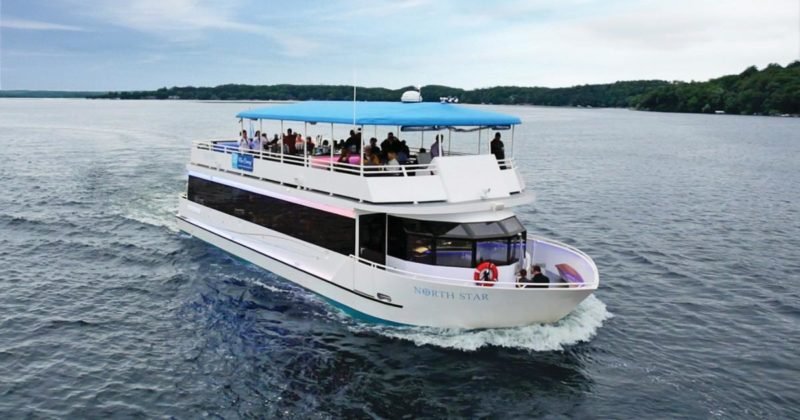
Techniques for Steady Shots on a Moving Boat
Even with the best gear and settings, movement from wind, waves, and the boat itself can introduce blur. Here are some practical tips to help you get sharper results:
- Brace Yourself: Sit or kneel with your elbows tucked in, and use the boat’s railing or seat for extra support. Avoid standing unless the water is calm.
- Anticipate Motion: Time your shots for when the boat is moving slowly or drifting. If possible, ask the captain to pause or slow down near wildlife.
- Use Image Stabilization: If your lens or camera has stabilization, make sure it’s turned on. This feature helps counteract small shakes and vibrations.
- Keep Your Shutter Finger Ready: Wildlife can appear suddenly. Keep your camera powered on and your finger near the shutter so you’re prepared for quick action.
- Minimize Distractions: Secure loose items and keep your gear organized to avoid fumbling when the moment arrives.
Practicing these techniques will help you adapt to the unpredictable environment and increase your chances of capturing sharp, well-composed images.
Planning and Positioning for the Best Wildlife Encounters
Success in beginner wildlife photography on boats often comes down to being in the right place at the right time. Here’s how to maximize your opportunities:
- Research Local Wildlife: Learn about the animals you’re likely to encounter and their habits. This helps you anticipate where and when they might appear.
- Choose the Right Tour: Guided boat tours with experienced naturalists can increase your chances of seeing and photographing wildlife. For inspiration, see these scenic ocean and inlet adventures in Florida.
- Arrive Early or Late: Wildlife is often most active at dawn and dusk. Schedule your trip during these times for better light and more animal activity.
- Position Yourself Strategically: Sit on the side of the boat with the best view of the shoreline or open water, depending on your target species.
- Be Patient and Observant: Stay alert and scan the environment regularly. Sometimes the best shots come from noticing subtle movements or changes in the landscape.
Editing and Reviewing Your Wildlife Photos
After your trip, review your images to select the sharpest and most compelling shots. Here are a few editing tips for beginners:
- Cull Ruthlessly: Delete blurry or poorly composed images to focus on your best work.
- Crop for Impact: Tighten your composition to highlight the animal and remove distractions.
- Adjust Exposure and Contrast: Use editing software to fine-tune brightness, shadows, and color balance for a more natural look.
- Sharpen Carefully: Apply sharpening tools sparingly to enhance detail without introducing artifacts.
With practice, you’ll develop an eye for what makes a wildlife photo stand out and learn how to bring out the best in your images.
Frequently Asked Questions
What is the best lens for wildlife photography from a boat?
A telephoto zoom lens in the 100-400mm range is ideal for most situations. It offers flexibility to compose shots of both distant and closer subjects. Look for lenses with image stabilization to help counteract boat movement.
How do I keep my camera safe from water and weather?
Use a rain cover or waterproof housing for your camera and lens. Store your gear in a dry bag when not in use, and bring microfiber cloths to wipe off splashes. Always have a lens hood to protect from spray and sun glare.
Can I use a smartphone for wildlife photography on boats?
While smartphones have improved, they lack the reach and speed of dedicated cameras. However, they can still capture wide shots or record video. Use a phone with optical zoom and enable burst mode for better results.
Final Thoughts
Getting sharp wildlife photos from a boat is a rewarding challenge that combines technical skill, patience, and a love of nature. By preparing the right gear, mastering camera settings, and practicing steady shooting techniques, you’ll be well on your way to capturing memorable images. Remember to respect wildlife and enjoy the adventure—each outing offers new opportunities to learn and improve.