
Wildlife watching offers a unique opportunity to connect with nature and observe animals in their natural habitats. However, with this privilege comes the responsibility to minimize our impact and ensure the well-being of the creatures and ecosystems we visit. Understanding how to enjoy wildlife viewing responsibly is essential for anyone who wants to protect the environment while still experiencing its wonders.
Whether you’re planning a boat tour, a hike, or a family outing, following strict eco-guidelines helps preserve habitats and ensures that future generations can also experience the thrill of seeing wild animals up close. This article covers essential rules, practical tips, and ethical considerations for sustainable wildlife encounters. For those interested in combining adventure with environmental stewardship, exploring nature based tourism activities is a great way to start your journey toward responsible travel.

Why Responsible Wildlife Viewing Matters
Observing animals in the wild is more than just a recreational activity—it’s an opportunity to foster respect for our planet. Irresponsible behavior can disrupt animal routines, damage habitats, and even endanger species. By adopting eco-friendly wildlife viewing practices, you contribute to conservation efforts and help maintain the delicate balance of natural ecosystems.
Many popular destinations, such as those featured in best wildlife encounters in South Florida, rely on visitors to follow ethical guidelines to protect local flora and fauna. Sustainable tourism not only benefits the environment but also enhances your own experience by allowing you to witness authentic animal behavior undisturbed by human interference.
Essential Eco-Rules for Wildlife Observation
To ensure you are making a positive impact, follow these strict eco-rules whenever you venture out for wildlife watching:
- Keep a Safe Distance: Use binoculars or zoom lenses to observe animals without approaching them. Getting too close can cause stress or provoke defensive behavior.
- Stay Quiet and Calm: Loud noises and sudden movements can frighten wildlife. Move slowly and speak softly to avoid disturbing animals.
- Never Feed Wild Animals: Feeding disrupts natural foraging habits and can make animals dependent on humans, leading to health problems and dangerous encounters.
- Stick to Designated Paths: Trails and boardwalks are designed to minimize habitat disturbance. Avoid trampling vegetation or venturing off marked routes.
- Leave No Trace: Pack out all trash, avoid picking plants, and do not remove natural objects. Your goal is to leave the area exactly as you found it.
- Respect Breeding and Nesting Areas: Many species are especially vulnerable during mating and nesting seasons. Heed all posted signs and give these areas extra space.
Gear and Preparation for Responsible Viewing
Proper preparation enhances your experience and helps you follow eco-guidelines. Before heading out, research the area and its wildlife. Bring essential gear such as:
- High-quality binoculars for distant viewing
- Sun protection, including hats and sunglasses
- Reusable water bottles and eco-friendly snacks
- Field guides or wildlife apps for identification
- Camera with a telephoto lens for non-intrusive photography
For a comprehensive list of what to bring, check out this complete guide to packing essentials for your first wildlife tour.

Choosing Ethical Tours and Guides
Selecting reputable tour operators is a key part of responsible wildlife watching. Look for companies that:
- Follow strict wildlife and environmental guidelines
- Limit group sizes to reduce impact
- Employ knowledgeable guides trained in animal behavior and conservation
- Support local conservation initiatives
For example, those interested in planning a marine adventure can benefit from reading about marine wildlife adventure planning to ensure their trip aligns with eco-principles. Ethical operators will always prioritize animal welfare over close encounters or photo opportunities.
Minimizing Your Impact on Sensitive Habitats
Many wildlife-rich areas are fragile and easily disturbed. Here are some ways to reduce your footprint:
- Travel in Small Groups: Fewer people mean less noise and disturbance.
- Use Non-Motorized Transport: Kayaks, canoes, or walking are less disruptive than motorboats or vehicles.
- Follow Local Regulations: Always adhere to posted rules and respect seasonal closures or restricted zones.
- Educate Yourself: Learn about the local species and habitats before your visit so you can avoid sensitive areas.
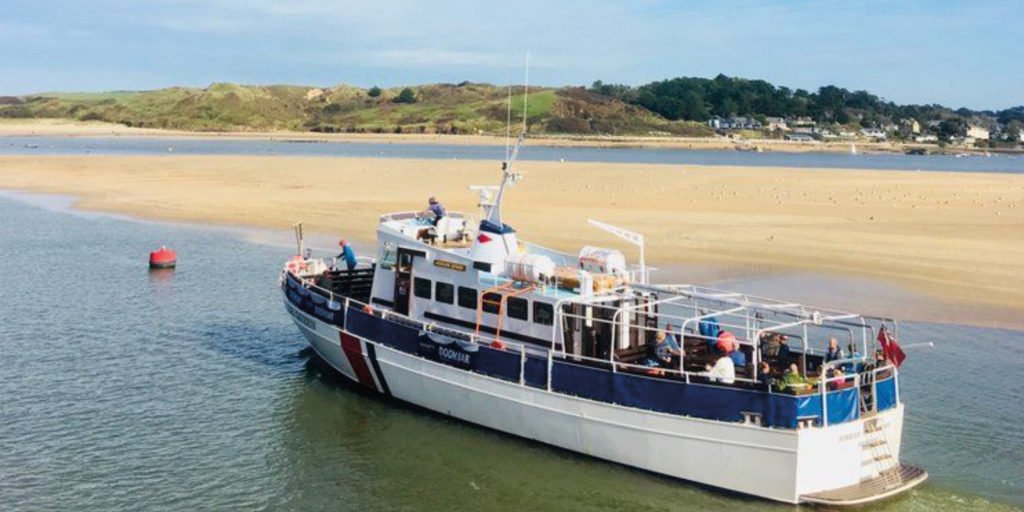
Participating in family friendly sightseeing cruises or guided walks often ensures that you stay on approved routes and follow best practices for environmental protection.
Best Practices for Family and Group Outings
Wildlife viewing is a fantastic activity for families and groups, but it requires extra attention to eco-rules. Teach children and newcomers about the importance of respecting wildlife and habitats. Set a good example by modeling quiet, patient behavior and explaining why certain actions—like picking flowers or chasing animals—are harmful.
If you’re organizing a group trip, consider reading about family boating adventures in Florida for inspiration on how to combine fun with responsible practices. Many outfitters offer educational programs that make learning about conservation engaging for all ages.
Photography Ethics in Wildlife Watching
Capturing the perfect wildlife photo is rewarding, but it’s important to prioritize animal welfare over getting the shot. Use long lenses to avoid approaching animals, and never bait or lure wildlife for photos. Always turn off flash, as it can startle or disorient animals, especially birds and nocturnal species.
Share your images to inspire others to appreciate and protect nature, but be mindful not to disclose sensitive locations that could lead to overcrowding or disturbance.
Frequently Asked Questions
What should I do if I accidentally disturb wildlife?
If you notice that an animal is agitated—such as changing its behavior, vocalizing, or moving away—back off immediately and give it more space. Remain quiet and still until the animal resumes normal activity. Learning to recognize signs of stress helps you adjust your actions and minimize disturbance.
Are there specific times of year to avoid wildlife areas?
Yes, many species have sensitive periods such as breeding, nesting, or migration seasons. During these times, some areas may be closed or have restricted access. Always research local guidelines and respect closures to protect vulnerable animals.
How can I tell if a tour operator is eco-friendly?
Look for operators who are certified by recognized environmental organizations, limit group sizes, and provide education on conservation. Reading reviews and asking about their practices can help you choose companies that truly prioritize sustainability and animal welfare.
Conclusion: Making a Positive Impact
Practicing how to enjoy wildlife viewing responsibly ensures that your adventures contribute to conservation rather than harm. By following strict eco-rules, choosing ethical tours, and educating others, you help protect the natural world for both wildlife and future explorers. Remember, every small action counts—responsible wildlife watching is not just about what you see, but how you see it.