
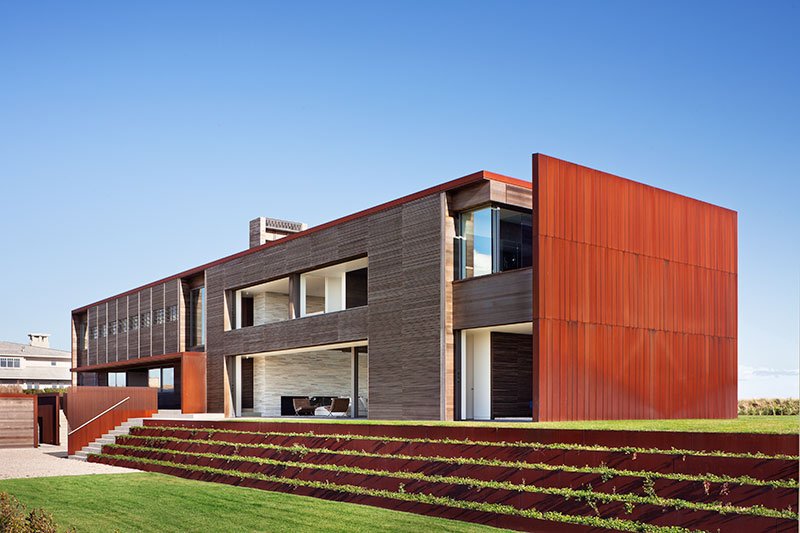
Living near the ocean offers breathtaking views and a unique lifestyle, but it also brings special challenges—especially when it comes to protecting your home from harsh weather. Choosing the best roofing for coastal homes is a crucial decision for homeowners in storm-prone regions. Salt air, high winds, heavy rain, and the threat of hurricanes all demand roofing solutions that are not only durable but also able to withstand the unique conditions found along the coast.
In this guide, we’ll explore the most reliable roofing materials and designs for houses near the shore, discuss what makes a roof storm-resistant, and provide practical tips for long-term maintenance. Whether you’re building new or upgrading an existing structure, understanding your options can help protect your investment and keep your family safe.
If you’re also interested in enjoying the local beaches with your four-legged friend, check out these Jupiter dog beach reviews for pet owners for tips on safe and fun outings.
Key Factors for Storm-Resistant Coastal Roofing
Coastal environments are tough on building materials. When selecting a roof for a home near the ocean, several factors should be prioritized:
- Wind Resistance: Storms and hurricanes can bring extreme winds. Roofing systems must be rated for high wind speeds and securely fastened to the structure.
- Corrosion Resistance: Salt in the air accelerates the corrosion of many materials. Choosing products that resist rust and deterioration is essential.
- Waterproofing: Heavy rain and wind-driven water can penetrate weak spots. Proper underlayment and flashing are critical for preventing leaks.
- Impact Resistance: Flying debris during storms can damage roofs. Materials with high impact ratings offer better protection.
- Longevity and Maintenance: The best options require minimal upkeep and can withstand years of exposure to harsh elements.
Top Roofing Materials for Oceanfront Properties
Not all roofing materials are created equal, especially in coastal storm zones. Here are some of the most popular and effective choices for seaside homes:
Metal Roofing: Durable and Storm-Proof
Metal roofs—especially those made from aluminum or coated steel—are a leading choice for homes near the water. They offer excellent wind resistance, with many products rated for winds exceeding 140 mph. Metal is naturally resistant to salt-induced corrosion (aluminum is especially effective), and modern coatings further enhance durability. Additionally, metal panels shed rain easily and are less likely to be lifted by strong gusts.

While the initial cost of metal roofing can be higher than other materials, its longevity and low maintenance often make it a cost-effective solution over time.
Clay and Concrete Tiles: Classic Looks, Strong Performance
Clay and concrete tiles are common in coastal regions, especially in areas with a Mediterranean or tropical aesthetic. These tiles are heavy, which helps them resist wind uplift, and they are not affected by salt air. However, installation must be done correctly to ensure tiles do not become projectiles during storms. Reinforced fastening systems and proper underlayment are a must.
Tiles are also fire-resistant and can last for decades with minimal fading or deterioration. Keep in mind that the weight of tile roofing may require additional structural support.
Architectural Shingles: Modern Asphalt Solutions
Architectural (or laminated) asphalt shingles have improved dramatically in recent years. Many are now rated for high winds and offer enhanced impact resistance. Look for shingles specifically labeled for coastal or hurricane-prone areas, as these will have reinforced nailing strips and advanced sealing technology.
While not as durable as metal or tile, high-quality architectural shingles can provide a balance of affordability, appearance, and performance for many homeowners.
Synthetic Roofing: Engineered for Harsh Conditions
Synthetic roofing materials—such as polymer-based tiles or shakes—are engineered to mimic the look of wood or slate while providing superior resistance to wind, impact, and salt corrosion. These products are lightweight, durable, and often come with long warranties. Their flexibility makes them less likely to crack or break during temperature swings or storms.
Design and Installation Tips for Maximum Protection
Even the best materials can fail if not installed correctly. Here are some essential design and installation strategies for coastal homes:
- Roof Pitch: Steeper roofs shed water and debris more efficiently and are less likely to be damaged by wind-driven rain.
- Seamless Flashing: Properly installed flashing around chimneys, vents, and valleys prevents water intrusion.
- High-Quality Fasteners: Stainless steel or other corrosion-resistant fasteners are essential to prevent rust and maintain structural integrity.
- Continuous Underlayment: A waterproof membrane beneath the roofing material adds an extra layer of protection against leaks.
- Regular Inspections: Schedule routine checks, especially after major storms, to catch and repair minor issues before they become major problems.

Maintenance Strategies for Long-Lasting Coastal Roofs
Routine maintenance is key to extending the life of your roof in a coastal environment. Here’s what homeowners should focus on:
- Remove Debris: Clear leaves, branches, and salt buildup regularly to prevent water pooling and corrosion.
- Check for Damage: Inspect for loose or missing shingles, cracked tiles, or rust spots after storms.
- Clean Gutters: Ensure gutters and downspouts remain clear to direct water away from the roof and foundation.
- Trim Overhanging Branches: Prevent branches from scraping or falling onto the roof during high winds.
- Professional Inspections: Schedule annual inspections by a roofing professional familiar with coastal conditions.
For more detailed advice on safeguarding your property, you might find this beginner’s guide to storm-safe homes helpful.
Frequently Asked Questions
What is the most durable roofing material for homes near the ocean?
Metal roofing, particularly aluminum, is widely considered the most durable option for coastal properties. It resists corrosion from salt air, offers high wind ratings, and requires minimal maintenance. Clay and concrete tiles are also excellent choices for long-term performance.
How often should a coastal roof be inspected?
It’s best to have your roof professionally inspected at least once a year, and after any major storm. Regular inspections help catch small problems early, preventing costly repairs and extending the roof’s lifespan.
Are there any roofing materials to avoid in storm-prone coastal areas?
Wood shakes and untreated metal are generally not recommended for coastal homes. Wood is prone to rot and insect damage, while untreated metal can rust quickly in salty air. Always choose materials specifically designed for harsh, wet, and windy environments.
For those who enjoy spending time at the beach with their pets, it’s also important to know how to tell if the water is too rough for your dog to ensure everyone’s safety during stormy weather.
Selecting the right roofing system is one of the most important decisions for anyone living near the coast. By focusing on storm resistance, corrosion protection, and proper maintenance, you can help your home withstand the elements for years to come.