
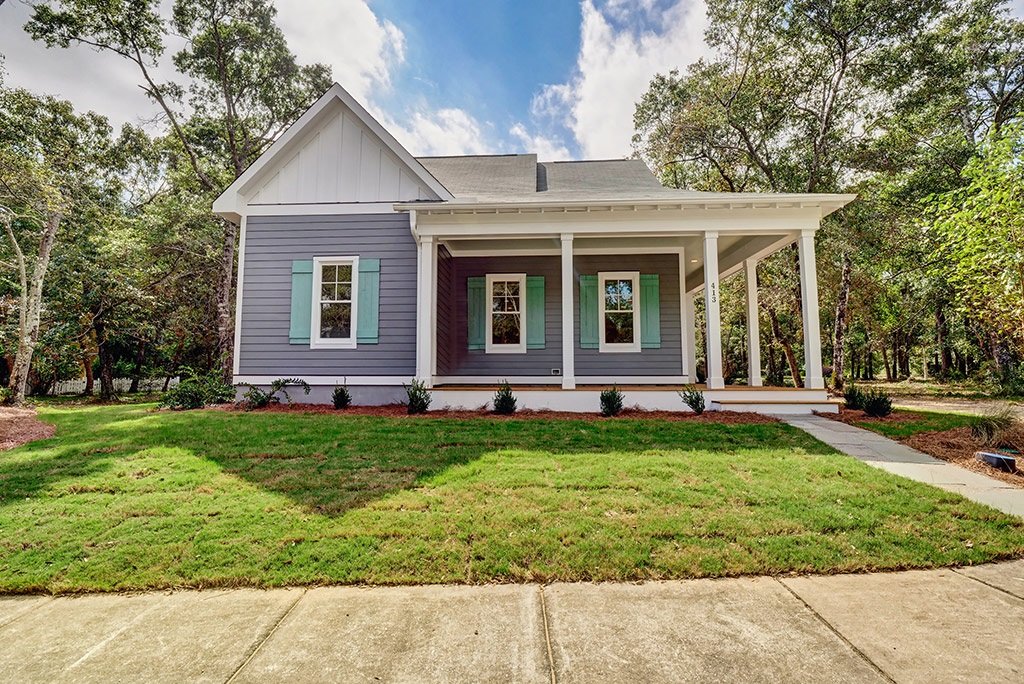
Embracing the charm and resilience of coastal home architectural design can transform any property into a serene retreat that stands up to the unique demands of seaside living. From maximizing ocean views to choosing materials that withstand salt air and storms, there are many factors to consider for a successful beachside residence. Whether you’re planning a new build or updating an existing property, understanding the principles behind these designs will help you create a space that’s both beautiful and practical.
For those who love spending time by the sea—whether it’s relaxing on the sand or letting your dog play in the surf—living in a well-designed coastal home enhances the entire experience. If you’re interested in local pet-friendly spots, you might enjoy reading jupiter dog beach reviews for pet owners to discover more about the area’s amenities.
Key Elements of Modern Coastal Architecture
Today’s coastal home architectural design blends timeless seaside aesthetics with modern innovations. Here are some of the most important features that define these homes:
- Open floor plans: Spaces flow seamlessly, allowing for unobstructed views and natural light throughout the home.
- Large windows and doors: Expansive glass panels maximize ocean vistas and invite breezes inside.
- Outdoor living spaces: Decks, patios, and balconies extend the living area and connect the home to its surroundings.
- Weather-resistant materials: Durable siding, metal roofing, and impact-rated windows help protect against harsh coastal conditions.
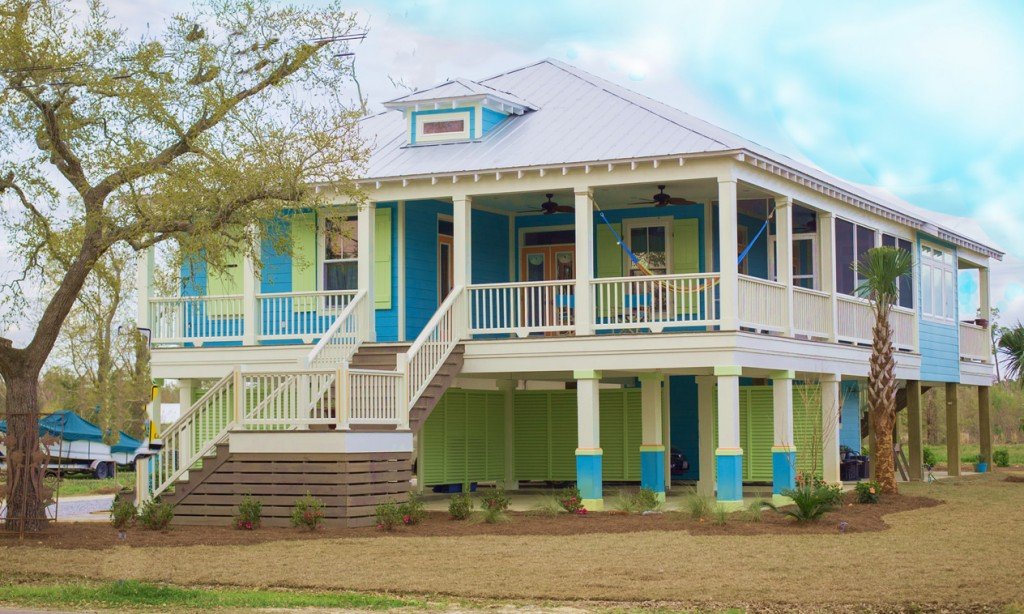
- Elevated foundations: Many homes are built on pilings or raised slabs to reduce flood risk and improve ventilation.
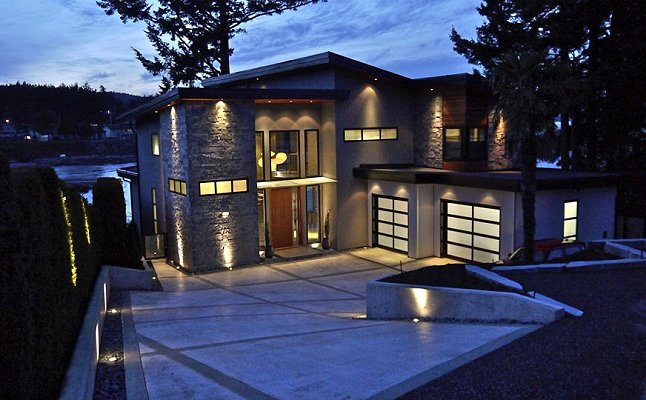
Choosing Materials for Durability and Style
Selecting the right materials is crucial for longevity and curb appeal. Coastal environments expose homes to salt, wind, moisture, and intense sunlight. Here’s how to make smart choices:
- Fiber cement siding: Resistant to rot, insects, and salt spray, this material offers a classic look with minimal upkeep.
- Metal roofing: Aluminum or galvanized steel roofs are popular for their durability and ability to reflect heat.
- Composite decking: Synthetic boards resist warping and splintering, making them ideal for decks and walkways.
- Impact-rated windows and doors: These provide protection from storms and help maintain energy efficiency.
- Natural stone and tile: Used for patios, walkways, and accents, these materials add texture and withstand the elements.
For a deeper dive into building resilient homes in challenging environments, check out this comprehensive guide to constructing resilient homes in coastal areas.
Maximizing Light, Views, and Ventilation
One of the hallmarks of coastal home architectural design is the emphasis on natural light and panoramic views. Here’s how architects achieve this:
- Strategic window placement: Positioning windows to frame water views and capture prevailing breezes enhances comfort and ambiance.
- Clerestory and transom windows: These high windows bring in additional daylight while maintaining privacy.
- Sliding or folding glass doors: These create a seamless transition between indoor and outdoor spaces.
- Light color palettes: Whites, soft blues, and sandy neutrals reflect sunlight and amplify the sense of openness.
Outdoor Spaces and Landscaping for Coastal Living
Outdoor living is central to the beach lifestyle. Well-designed exterior spaces not only enhance enjoyment but also add value and functionality. Consider these ideas:
- Covered porches and verandas: Provide shade and shelter, making outdoor areas usable year-round.
- Native and salt-tolerant plants: Landscaping with local species reduces maintenance and supports the ecosystem.
- Outdoor showers and rinse stations: Essential for washing off sand and salt after a day at the beach.
- Durable outdoor furniture: Choose pieces made from teak, powder-coated aluminum, or synthetic wicker for longevity.
Smart Layouts for Comfort and Functionality
The layout of a seaside residence should support both daily living and entertaining. Here are some layout strategies that work well:
- Flexible gathering spaces: Open kitchens and living rooms encourage socializing and make hosting easy.
- Private retreats: Bedrooms and reading nooks offer quiet escapes from busy communal areas.
- Drop zones and mudrooms: These practical spaces help keep sand, wet towels, and gear organized.
- Multi-purpose rooms: Spaces that can serve as guest rooms, offices, or playrooms add versatility.
Incorporating Sustainability in Coastal Homes
Sustainable practices are increasingly important in modern coastal home architectural design. Here’s how to make your home more eco-friendly:
- Solar panels: Take advantage of abundant sunlight to reduce energy costs.
- Rainwater harvesting: Collect and reuse rainwater for irrigation and outdoor cleaning.
- Energy-efficient appliances: Reduce your carbon footprint while saving on utilities.
- Low-VOC paints and finishes: Improve indoor air quality and minimize environmental impact.
If you’re planning to enjoy the beach with your dog, you might also want to learn about jupiter beach dog jumping in waves safety for a safe and fun experience.
Frequently Asked Questions
What are the most important features for a resilient seaside home?
Key features include elevated foundations to reduce flood risk, impact-rated windows and doors for storm protection, and weather-resistant materials such as fiber cement siding and metal roofing. Proper drainage and landscaping with native plants also help protect against erosion and salt damage.
How can I maximize natural light and ocean views in my home?
Use large windows, sliding glass doors, and open floor plans to create unobstructed sightlines. Light color palettes and reflective surfaces further amplify daylight. Consider clerestory windows and skylights for additional brightness.
What are the best landscaping options for coastal properties?
Choose native, salt-tolerant plants that thrive in sandy soils and require minimal maintenance. Incorporate permeable pathways, raised beds, and windbreaks to manage erosion and enhance outdoor living spaces.