
Living by the ocean offers stunning views and a refreshing breeze, but it also brings unique challenges for homeowners. One of the most important considerations for properties close to the shore is choosing the best siding for coastal homes. Salt air, high humidity, strong winds, and intense sun can quickly wear down exterior materials that aren’t built to withstand these harsh conditions. Selecting the right siding not only protects your investment but also keeps your home looking beautiful for years.
If you’re a pet owner who enjoys the beach lifestyle, you may also appreciate resources like Jupiter dog beach reviews for pet owners, which offer insights into making the most of coastal living with your furry friends.

Why Siding Matters in Oceanfront Environments
The exterior of a home near the sea faces constant exposure to salt spray, moisture, and ultraviolet rays. These elements can cause traditional materials to deteriorate faster than they would inland. For this reason, it’s essential to choose siding that’s engineered for durability, low maintenance, and resistance to corrosion and fading.
The right choice can help prevent issues like rot, warping, and mold, while also reducing the need for frequent repairs or repainting. In addition, some materials offer better insulation, which can help keep your home comfortable and energy-efficient despite the coastal climate.

Top Siding Materials for Saltwater Proximity
Not all siding products are created equal when it comes to withstanding the rigors of coastal weather. Here are some of the most reliable options for homes near the ocean:
Fiber Cement: A Leading Choice for Coastal Durability
Fiber cement siding is widely regarded as one of the most robust solutions for seaside properties. Made from a blend of cement, sand, and cellulose fibers, this material is highly resistant to salt, moisture, and pests. It doesn’t rot, warp, or swell, and it holds paint exceptionally well, minimizing the need for frequent touch-ups.
- Excellent resistance to salt spray and humidity
- Non-combustible and pest-resistant
- Available in a variety of textures and colors
- Requires minimal maintenance
Vinyl Siding: Affordable and Low-Maintenance
Vinyl siding is another popular option for coastal properties. Modern vinyl products are engineered to resist fading, cracking, and corrosion from salt air. While not as impact-resistant as fiber cement, vinyl is lightweight, easy to clean, and available in a wide range of styles.
- Cost-effective and widely available
- Resistant to moisture and salt damage
- Requires little more than occasional washing
- Can be prone to wind damage if not properly installed
Engineered Wood: Natural Look with Enhanced Protection
For those who prefer the appearance of real wood, engineered wood siding offers a compromise between beauty and durability. Treated to resist moisture, insects, and fungal decay, engineered wood is more stable than traditional wood in humid, salty environments.
- Authentic wood appearance
- Improved resistance to rot and pests
- Requires periodic painting or sealing
- More affordable than natural hardwoods
Metal Siding: Modern and Resilient
Aluminum and steel siding are gaining popularity for their sleek look and exceptional resistance to saltwater corrosion. Aluminum, in particular, does not rust and is lightweight, making it suitable for homes exposed to ocean breezes. Metal siding is also fire-resistant and recyclable.
- Superior resistance to salt and moisture
- Long lifespan with minimal upkeep
- Available in various finishes and profiles
- Can be noisy during heavy rain or hail
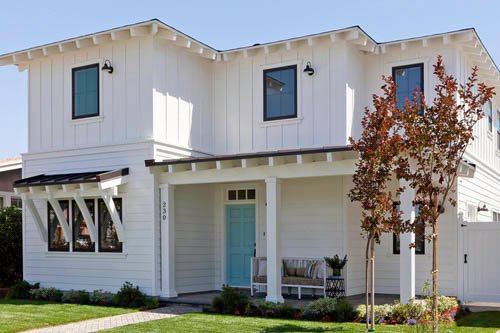
Factors to Consider When Selecting Siding Near the Ocean
Choosing the right exterior cladding for a seaside property involves more than just picking a material. Here are some important factors to weigh:
- Climate and weather patterns: Homes in hurricane-prone areas may need siding rated for high winds and impact resistance.
- Maintenance requirements: Some materials need regular painting or sealing, while others are virtually maintenance-free.
- Style and curb appeal: The siding should complement the architectural style of your home and the surrounding landscape.
- Budget: Costs can vary widely, so consider both initial installation and long-term upkeep.
- Environmental impact: If sustainability is a priority, look for recyclable or eco-friendly options.
For more detailed planning tips, you might find this essential guide to building your dream coastal home helpful, as it covers a range of considerations unique to oceanfront construction.
Maintenance Tips for Long-Lasting Siding
Even the most durable siding will last longer with proper care. Here are some practical steps to help your home’s exterior withstand the challenges of a saltwater environment:
- Rinse siding with fresh water regularly to remove salt deposits
- Inspect for signs of damage or wear after storms
- Keep vegetation trimmed away from the house to prevent moisture buildup
- Address any cracks or gaps promptly to avoid water intrusion
- Follow manufacturer recommendations for cleaning and maintenance
Frequently Asked Questions
Which siding material lasts the longest near saltwater?
Fiber cement and metal siding are among the most durable choices for homes close to the ocean. Both materials are engineered to withstand salt, moisture, and sun exposure, offering decades of reliable performance with minimal upkeep.
Is wood siding a good option for coastal properties?
Traditional wood siding is generally not recommended for oceanfront homes due to its vulnerability to rot, warping, and insect damage. However, engineered wood products treated for moisture resistance can be a viable alternative if you prefer a natural look.
How often should I clean my siding if I live near the beach?
It’s a good idea to rinse your siding with fresh water every few months to remove salt and prevent buildup. After major storms or periods of heavy wind, check for damage and clean as needed to maintain the integrity and appearance of your home’s exterior.