
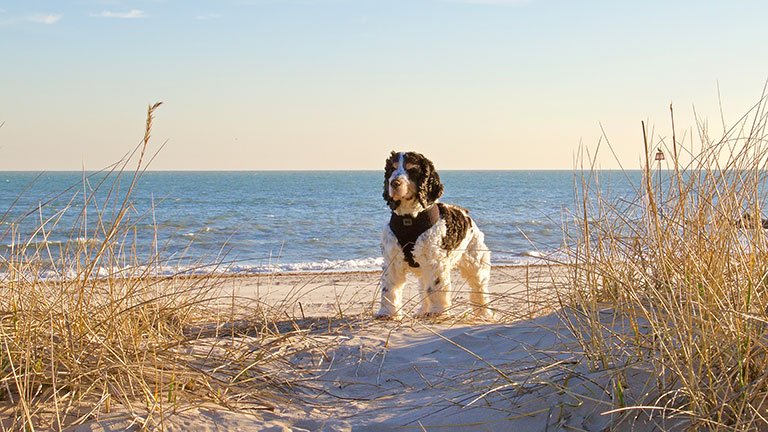
Spending a day at Jupiter Beach with your dog can be a wonderful experience, but sometimes unexpected situations arise. One common concern for pet owners is when a dog ingests sand while playing or digging on the shore. Sand ingestion can lead to serious health issues, so knowing what to do if your dog eats sand at Jupiter Beach is crucial for every responsible dog owner.
While many dogs love to romp in the sand and surf, accidental sand consumption is more common than you might think. Whether your pup is chasing a ball, digging, or simply licking their paws, they can easily swallow sand. Understanding the risks, recognizing the symptoms, and acting quickly can make all the difference in your dog’s recovery.
For more insights from fellow pet owners, you might find the jupiter dog beach reviews for pet owners helpful in planning a safe and enjoyable visit.
Understanding the Dangers of Sand Ingestion
When dogs eat sand, even in small amounts, it can cause a range of health problems. The most significant risk is a condition called sand impaction, where sand accumulates in the digestive tract and causes a blockage. This can be life-threatening if not treated promptly. Sand can also irritate the stomach lining, leading to vomiting, diarrhea, and dehydration.
Jupiter Beach, like many dog-friendly beaches, has soft, fine sand that can be easily ingested during play. Dogs that love to dig, fetch, or chew on sandy toys are especially at risk. Recognizing the dangers and acting quickly is the best way to protect your pet.
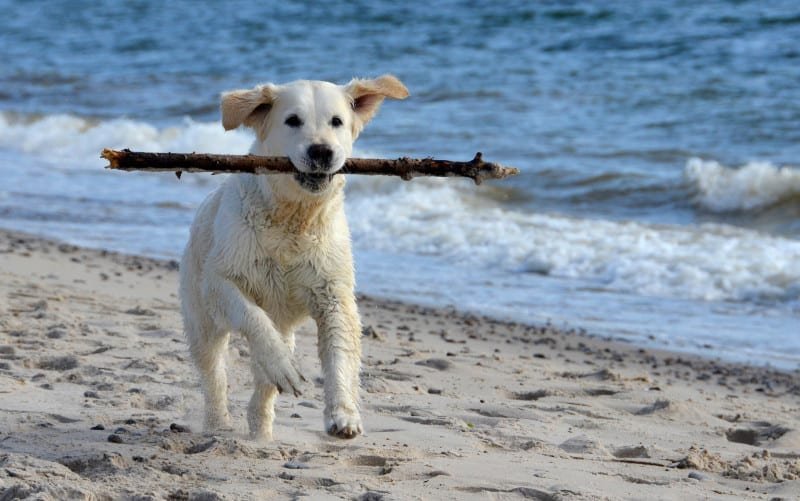
Signs Your Dog Has Swallowed Sand at the Beach
It’s important to watch for symptoms if you suspect your dog has ingested sand. Some signs may appear within a few hours, while others might take longer to develop. Common symptoms include:
- Repeated vomiting or dry heaving
- Abdominal pain or bloating
- Lethargy or reluctance to move
- Loss of appetite
- Straining to defecate or producing little stool
- Diarrhea, sometimes with sand visible
If your dog displays any of these symptoms after a day at the beach, it’s important to take action quickly. Severe cases of sand impaction can escalate rapidly and require immediate veterinary attention.
Immediate Steps to Take if Your Dog Eats Sand at Jupiter Beach
If you catch your dog eating sand or notice symptoms soon after your beach outing, follow these steps:
- Remove your dog from the sand: Prevent further ingestion by moving your pet away from the beach area.
- Offer fresh water: Hydration can help move small amounts of sand through the digestive tract, but do not force your dog to drink.
- Monitor for symptoms: Keep a close eye on your dog for any signs of distress, vomiting, or abdominal pain.
- Contact your veterinarian: Even if symptoms seem mild, it’s always best to consult a professional. Describe the situation, including how much sand you think your dog may have eaten and any symptoms you’ve observed.
- Do not induce vomiting unless instructed by your vet: In some cases, inducing vomiting can cause more harm than good, especially if a blockage has already formed.
Prompt action can prevent complications and ensure your dog gets the care they need. If your dog is showing severe symptoms, seek emergency veterinary care immediately.
Veterinary Treatment for Sand Ingestion
When you bring your dog to the vet for suspected sand ingestion, the veterinarian will perform a physical exam and may recommend diagnostic tests such as X-rays or ultrasound to determine if there is a blockage. Treatment options depend on the severity of the case:
- Observation and supportive care: For mild cases, your vet may recommend monitoring, fluids, and a bland diet to help pass the sand naturally.
- Fluid therapy: Intravenous fluids can help move sand through the intestines and prevent dehydration.
- Medications: Laxatives or medications to protect the gut lining may be prescribed.
- Surgery: In severe cases where sand causes a complete blockage, surgery may be necessary to remove the obstruction.
Early intervention is key to avoiding surgery and ensuring a full recovery. Always follow your veterinarian’s advice and monitor your dog closely after treatment.
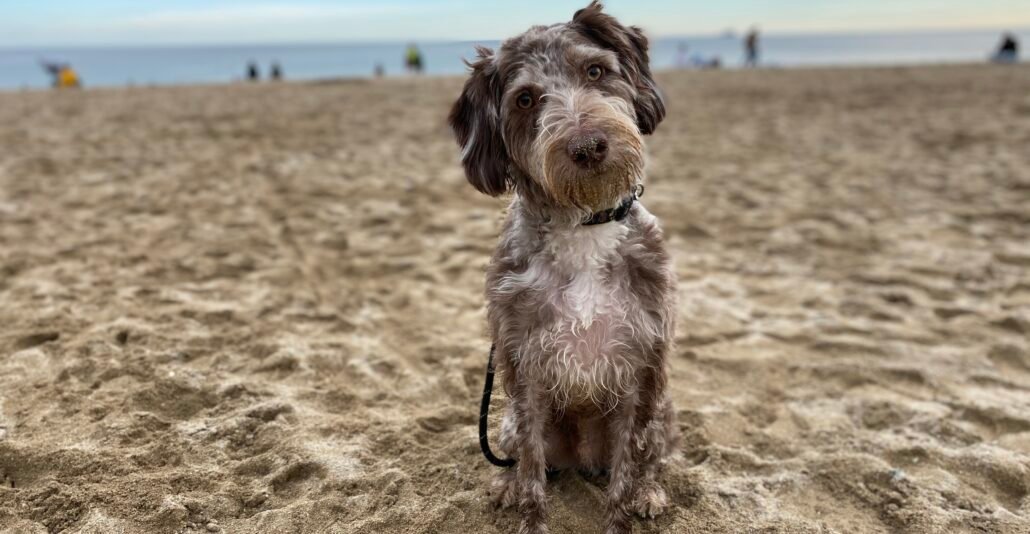
How to Prevent Sand Ingestion at Jupiter Beach
Prevention is always better than cure. Here are some practical tips to help your dog enjoy the beach safely and avoid the risks associated with eating sand:
- Supervise playtime: Keep a close watch on your dog, especially if they like to dig or chew on toys covered in sand.
- Bring clean toys: Offer toys that are less likely to pick up sand, such as floating rubber balls or frisbees.
- Discourage digging and eating sand: Redirect your dog’s attention if you notice them digging or licking sand.
- Rinse toys and paws: Frequently rinse off toys and your dog’s paws to minimize sand ingestion.
- Take breaks in grassy areas: Give your dog a break from the sand by resting in grassy or shaded spots.
For more safety tips on enjoying the waves, check out jupiter beach dog jumping in waves safety to help keep your pet safe during your beach adventures.
Why Dogs Eat Sand and How to Curb the Behavior
Some dogs are naturally curious and may eat sand out of boredom, playfulness, or even as a result of a condition called pica, where animals eat non-food items. Puppies are especially prone to this behavior as they explore their environment. To reduce the risk:
- Keep your dog engaged with interactive toys and games.
- Provide plenty of exercise before heading to the beach.
- Reward your dog for ignoring sand and focusing on appropriate play.
- If your dog persistently eats sand, consult your veterinarian to rule out underlying health issues.
Understanding your dog’s motivations can help you manage their behavior and prevent future incidents.
Resources for Dog Owners Visiting Jupiter Beach
Jupiter Beach is a popular destination for dog lovers, offering off-leash areas and beautiful scenery. To make the most of your visit, consider reading this comprehensive guide to Jupiter’s dog-friendly beach for tips on beach rules, amenities, and pet safety.
Planning a special outing? Discover how to make your dog’s day extra memorable with how to plan a dog birthday party at Jupiter Beach for fun ideas and local resources.
Frequently Asked Questions
How much sand is dangerous for a dog to eat?
Even small amounts of sand can cause digestive upset, but larger quantities significantly increase the risk of blockage. There is no safe amount of sand for dogs to ingest. If you suspect your dog has eaten sand, monitor them closely and consult your veterinarian.
Can sand pass through a dog’s system naturally?
In some mild cases, small amounts of sand may pass through the digestive tract without causing harm, especially if the dog is well-hydrated. However, there is always a risk of impaction, so veterinary advice is recommended if you notice any symptoms.
What should I do if my dog shows symptoms days after visiting the beach?
Symptoms of sand impaction can sometimes appear several days after ingestion. If your dog develops vomiting, abdominal pain, or other concerning signs after a beach visit, seek veterinary care immediately. Delayed treatment can lead to serious complications.
Are certain breeds more at risk of eating sand?
Breeds that are highly active, love to dig, or are naturally curious (such as retrievers, terriers, and puppies) may be more likely to ingest sand. However, any dog can be at risk, so supervision is important for all breeds.
Conclusion
Knowing what to do if your dog eats sand at Jupiter Beach can make a significant difference in your pet’s health and safety. By staying vigilant, recognizing the signs of sand ingestion, and acting quickly, you can ensure your dog enjoys many more happy days at the shore. Always consult your veterinarian if you have any concerns, and take preventive steps to minimize the risk during your beach outings.