
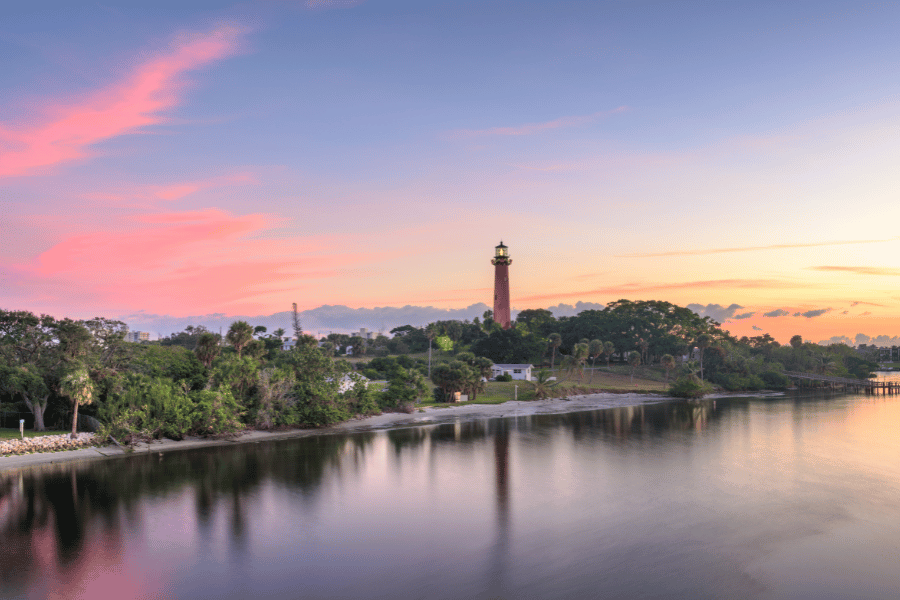
The stretch of Florida’s Atlantic shoreline from Jupiter to Stuart is a haven for bird enthusiasts. Known for its diverse habitats—ranging from mangroves and estuaries to sandy beaches and maritime forests—this region attracts both resident and migratory species year-round. Whether you’re a seasoned birder or a newcomer eager to explore, birding along the Treasure Coast offers rewarding opportunities to observe a remarkable variety of avian life.
Easy access to parks, preserves, and coastal trails makes this area especially appealing for those who want to combine wildlife observation with the natural beauty of Florida’s east coast. As you plan your outings, it’s helpful to know about the best spots, what birds to look for, and how to make the most of your time outdoors. For visitors bringing pets, it’s also important to be mindful of local guidelines—such as those detailed in the Jupiter dog beach visitor guide for tourists—to ensure a safe and enjoyable experience for everyone.
Why the Treasure Coast Is a Birdwatcher’s Paradise
The region between Jupiter and Stuart is part of the Atlantic Flyway, a major migratory route for birds traveling between North and South America. This means that, in addition to year-round residents like herons, egrets, and ospreys, you’ll have the chance to spot rare and colorful migrants during spring and fall. The area’s varied ecosystems—rivers, wetlands, dunes, and coastal hammocks—support an impressive diversity of species.
Local organizations and parks offer guided walks, educational programs, and well-maintained trails, making it easy for both beginners and experienced birders to enjoy the outdoors. The mild climate and scenic landscapes further enhance the experience, drawing nature lovers from across the country.
Top Birding Sites from Jupiter to Stuart
Exploring the best locations for birding along the Treasure Coast can lead to some memorable sightings. Here are some standout destinations:
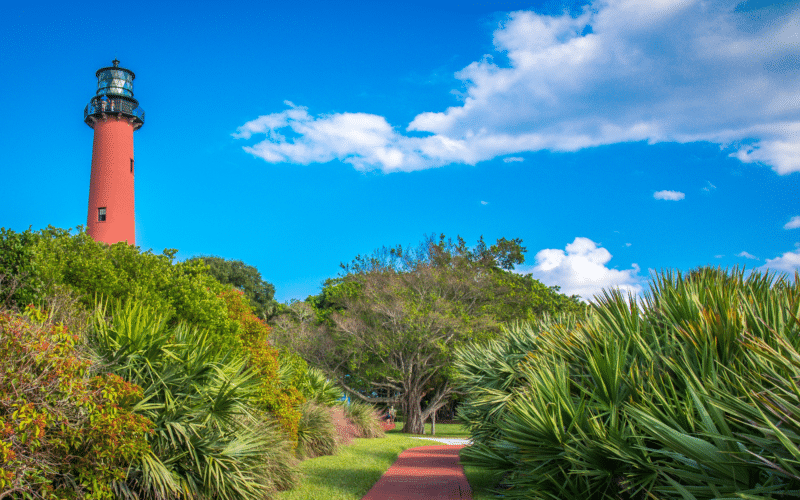
- Jupiter Inlet Lighthouse Outstanding Natural Area: This historic site features trails through coastal scrub and mangroves. Look for woodpeckers, warblers, and the occasional bald eagle.
- Jonathan Dickinson State Park: Covering over 10,000 acres, this park is a hotspot for wading birds, raptors, and songbirds. The Loxahatchee River and Kitching Creek attract kingfishers, herons, and anhinga.
- Hobe Sound National Wildlife Refuge: The refuge’s beaches and dunes are nesting grounds for shorebirds and sea turtles. Scan for plovers, terns, and black skimmers.
- Seabranch Preserve State Park: This lesser-known preserve is excellent for spotting painted buntings, hawks, and a variety of sparrows.
- St. Lucie Inlet Preserve State Park: Accessible by boat, this remote barrier island is ideal for observing oystercatchers, gulls, and migratory warblers.

What Birds Can You Expect to See?
The diversity of habitats along this coastal corridor means you can encounter a wide range of species. Some of the most sought-after birds include:
- Wading Birds: Great blue herons, snowy egrets, roseate spoonbills, and white ibis are common in wetlands and along riverbanks.
- Raptors: Ospreys, red-shouldered hawks, and the occasional bald eagle can be seen soaring above open water and forest edges.
- Shorebirds: Sanderlings, willets, and black-bellied plovers frequent the beaches, especially during migration.
- Songbirds: Painted buntings, northern parulas, and a variety of warblers pass through during spring and fall.
- Specialty Species: Keep an eye out for the Florida scrub-jay, a threatened species found in scrub habitats, and the mangrove cuckoo in coastal thickets.
For a more comprehensive list and seasonal highlights, you can consult resources like the top bird-watching locations in Florida, which include several sites along this stretch of coast.
Tips for a Successful Birdwatching Outing
Maximize your chances of spotting interesting species by following a few practical tips:
- Arrive Early: Birds are most active in the early morning and late afternoon, especially during migration seasons.
- Bring the Right Gear: Binoculars and a field guide are essential. A camera with a zoom lens can help capture distant sightings.
- Dress Appropriately: Lightweight, neutral-colored clothing helps you blend in and stay comfortable. Don’t forget sun protection and insect repellent.
- Be Respectful: Stay on marked trails, avoid disturbing nesting areas, and keep noise to a minimum.
- Check Local Guidelines: Some areas have restrictions to protect wildlife, especially during nesting season. If you’re visiting with a dog, review local rules such as Jupiter Beach dog leash requirements for parking lots.
Seasonal Highlights for Birders
Each season brings its own unique birdwatching opportunities along this coastal region:
- Winter: Large flocks of shorebirds and waterfowl arrive, making it a great time to see ducks, gulls, and terns.
- Spring: Migratory songbirds, including warblers and vireos, pass through in vibrant breeding plumage.
- Summer: Look for nesting waders and the occasional swallow-tailed kite. Early mornings are best to avoid the heat.
- Fall: Southbound migrants return, and raptor migration peaks. Watch for hawks and falcons overhead.
No matter the season, you’ll find something of interest, whether you’re scanning the shoreline or exploring inland trails.
Responsible Birding and Conservation
With so many visitors drawn to birding along the Treasure Coast, it’s important to practice responsible wildlife observation. Respecting posted signs, maintaining a safe distance from nesting birds, and packing out all trash help preserve these habitats for future generations. If you bring pets, be sure to follow local etiquette and clean up after them—guides like how to dispose of dog waste properly at the beach offer practical advice for keeping beaches and trails clean.
Supporting local conservation efforts, volunteering for habitat restoration, or participating in citizen science projects like bird counts are excellent ways to give back to the environment that makes this region so special.
Frequently Asked Questions
What is the best time of year for birdwatching on the Treasure Coast?
While birding is rewarding year-round, spring and fall migrations bring the greatest diversity of species. Winter is also excellent for waterfowl and shorebirds, while summer offers nesting activity for many waders and raptors.
Are there any guided birdwatching tours available in the area?
Yes, several parks and nature centers offer guided walks and educational programs. Check with Jonathan Dickinson State Park, Hobe Sound National Wildlife Refuge, and local Audubon chapters for schedules and details.
Can I bring my dog on birding trails?
Many parks allow leashed dogs on designated trails, but some sensitive habitats may restrict pets to protect wildlife. Always check posted rules and review resources like the guide to avoiding seagrass issues with dogs in Jupiter for tips on responsible pet-friendly outings.
What should I bring for a day of birdwatching?
Essential items include binoculars, a field guide, water, sun protection, insect repellent, and a camera. Dress in lightweight, neutral-colored clothing and wear comfortable shoes for walking.
Plan Your Next Birding Adventure
Exploring the natural wonders between Jupiter and Stuart is a rewarding experience for anyone interested in birds and wildlife. With its rich habitats, seasonal variety, and accessible parks, this stretch of the Atlantic coast is a top destination for nature lovers. Whether you’re hoping to spot a rare migrant or simply enjoy a peaceful morning outdoors, the Treasure Coast offers something for every birder.