
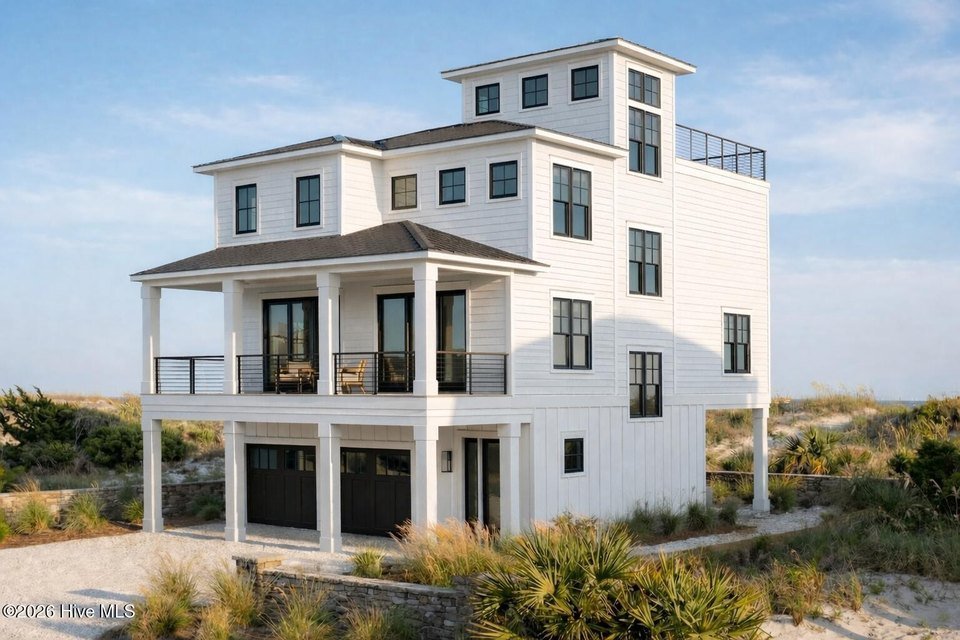
Building a house near the ocean offers breathtaking views and access to the beach, but it also comes with unique structural demands. Coastal home wind load requirements are a critical aspect of construction in these regions, ensuring that properties can withstand the intense forces generated by hurricanes, tropical storms, and persistent coastal winds. Understanding these standards is essential for homeowners, builders, and anyone considering a seaside property.
In this guide, we’ll break down what wind load means, why it matters for coastal homes, and how regulations, materials, and design choices all play a role in keeping your property safe and resilient. If you’re planning to build or renovate near the shore, knowing these requirements can help you make informed decisions and avoid costly mistakes.
For those who enjoy coastal living with pets, it’s also important to be aware of local beach rules and best practices. For example, you can learn more about how to dispose of dog waste properly at the beach to help keep the shoreline clean and safe for everyone.
Understanding Wind Load and Its Impact on Coastal Structures
Wind load refers to the pressure or force exerted by wind on a building’s exterior surfaces. In coastal zones, wind speeds can reach extreme levels, especially during hurricanes and tropical storms. These forces can cause significant damage if a home isn’t designed and built to handle them. The main risks include roof uplift, wall collapse, window failure, and even complete structural loss.
Regulations for wind resistance are stricter in coastal areas due to the high probability of severe weather. Local building codes, insurance requirements, and engineering standards all reflect the need for enhanced protection. Properly accounting for wind load is not just a legal obligation—it’s a matter of safety and long-term investment.
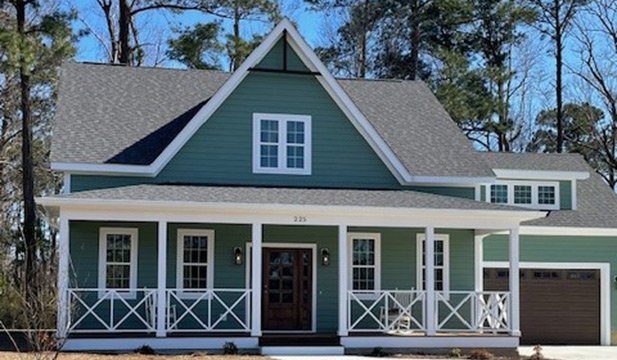
Key Factors Influencing Wind Load Standards for Coastal Homes
Several variables determine the wind load requirements for coastal homes. These include:
- Geographic location: Proximity to the coastline and local wind speed maps dictate the baseline standards.
- Building height and shape: Taller and more complex structures face greater wind pressure.
- Orientation and exposure: Homes directly facing open water or situated on elevated ground are more vulnerable.
- Local codes and regulations: Municipalities often adopt or modify national standards like the International Building Code (IBC) or ASCE 7, which specify wind speed zones and construction criteria.
For example, Florida’s coastal regions have some of the strictest wind load requirements in the United States, with minimum design wind speeds often exceeding 140 mph. These standards are updated regularly to reflect new research and lessons learned from recent storms.
How Building Codes Address Wind Resistance in Coastal Areas
Modern building codes are designed to ensure that new construction and major renovations meet or exceed minimum wind resistance standards. These codes specify:
- Design wind speed: The maximum wind speed a structure must be able to withstand, based on its location.
- Construction methods: Requirements for roof-to-wall connections, anchoring systems, and bracing.
- Materials: Specifications for impact-resistant windows, reinforced doors, and hurricane-rated roofing.
- Inspection and certification: Mandatory inspections and, in some cases, certification by licensed engineers or architects.
For homeowners and builders, it’s crucial to work with professionals familiar with local codes and coastal construction practices. Failing to comply can result in denied permits, insurance issues, or increased risk of storm damage.
Design Strategies to Meet Coastal Wind Load Requirements
Meeting and exceeding wind load standards for coastal homes involves a combination of smart design, quality materials, and precise construction. Some effective strategies include:
- Simple roof shapes: Hip roofs and low-pitch designs are less likely to experience uplift than gabled or complex roofs.
- Continuous load paths: Ensuring that the roof, walls, and foundation are securely connected so wind forces are transferred safely to the ground.
- Reinforced openings: Installing impact-resistant windows and doors to prevent breach and internal pressurization.
- Strong anchoring systems: Using hurricane straps, clips, and anchors to secure the structure at every critical point.
These design choices not only help homes withstand severe weather but can also lower insurance premiums and increase property value.
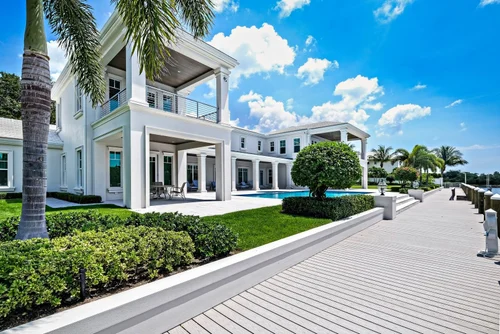
Common Materials and Construction Techniques for Wind-Resistant Coastal Homes
Choosing the right materials is essential for meeting coastal wind load requirements. Some of the most effective options include:
- Concrete and reinforced masonry: These materials offer superior strength and durability against high winds and flying debris.
- Engineered wood products: Laminated beams and trusses provide added stability for roofs and floors.
- Metal connectors and fasteners: Specialized hardware ensures that all parts of the structure remain securely attached during storms.
- Impact-resistant glazing: Windows and doors with laminated glass or protective films can withstand both wind pressure and debris impact.
Proper installation is just as important as material selection. Even the strongest products can fail if not installed according to manufacturer guidelines and local codes.
Insurance and Financial Considerations for Coastal Properties
Homes built to meet or exceed wind load standards often qualify for lower insurance premiums and may be eligible for additional coverage options. Insurers look for features such as hurricane shutters, reinforced roofs, and certified construction. Some states also offer incentives or grants for homeowners who upgrade their properties to improve wind resistance.
It’s wise to consult with both your builder and insurance provider early in the planning process to ensure your home meets all necessary requirements and to maximize your financial protection.
Staying Up to Date with Changing Standards
Building codes and wind load standards are updated regularly as new research and storm data become available. Homeowners should stay informed about local regulations and consider periodic upgrades to older properties. Resources like the guide to building your dream coastal home offer valuable insights into current best practices and code requirements.
Working with experienced professionals and staying proactive about maintenance can help ensure your coastal property remains safe and compliant for years to come.
Frequently Asked Questions
What is the minimum wind speed coastal homes must be designed for?
The minimum design wind speed varies by location and local building codes. In many coastal areas, homes must be built to withstand winds of at least 120–140 mph, with some hurricane-prone zones requiring even higher standards. Always check with your local building department for the most current requirements.
Do older coastal homes need to be retrofitted for new wind load standards?
While existing homes are typically “grandfathered” under the codes in place when they were built, retrofitting is strongly recommended—especially if you plan major renovations or want to improve safety and insurance eligibility. Upgrades may include roof reinforcement, impact-resistant windows, and improved anchoring systems.
How can I verify that my home meets current wind load requirements?
The best way is to consult with a licensed structural engineer or building inspector familiar with coastal construction. They can review your home’s plans, inspect existing features, and recommend upgrades if necessary. Documentation from your builder or contractor can also help confirm compliance.
Understanding and meeting coastal home wind load requirements is essential for protecting your investment and ensuring the safety of everyone who lives in or visits your property. By staying informed and working with knowledgeable professionals, you can enjoy the benefits of coastal living with greater peace of mind.