
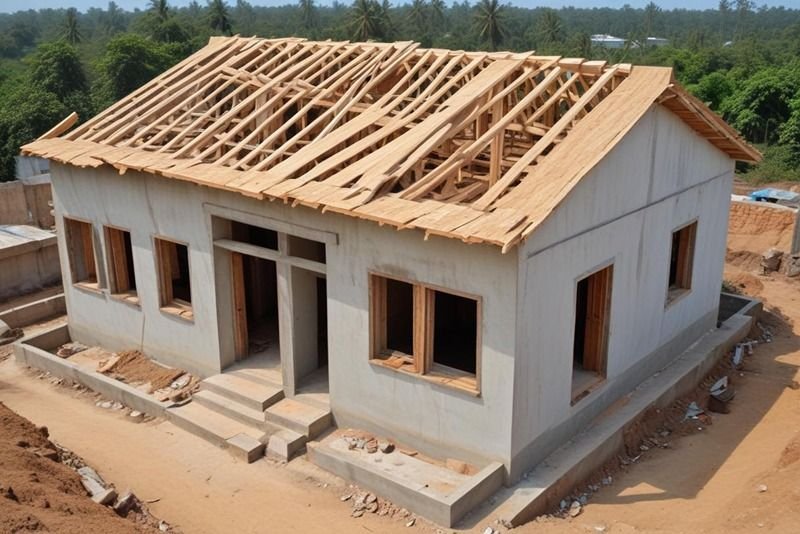
Constructing homes and structures near the shoreline presents unique challenges that demand specialized knowledge and careful planning. Coastal building techniques are essential for ensuring safety, durability, and resilience in areas prone to high winds and flooding. Whether you’re a homeowner, builder, or developer, understanding these methods can help protect property and lives while meeting local regulations.
From foundation choices to material selection and design strategies, building in wind- and flood-prone regions requires a thoughtful approach. This article explores proven methods, practical tips, and current best practices for constructing homes that can withstand the harsh realities of coastal environments. If you’re interested in enjoying coastal living with your pets, you might also find value in Jupiter Dog Beach reviews for pet owners, which provide insights on local amenities and safety.
Understanding the Risks: Wind and Flood Hazards
Coastal regions are exposed to some of the most intense natural forces. High winds from hurricanes and tropical storms, combined with the threat of flooding from storm surges and heavy rainfall, can cause significant damage to poorly designed structures. Recognizing these hazards is the first step in applying effective coastal building techniques.
- Wind Loads: Buildings must withstand lateral and uplift forces caused by strong gusts and sustained winds.
- Flooding: Structures are at risk from both tidal surges and flash floods, which can undermine foundations and damage interiors.
- Corrosion: Salt air accelerates the deterioration of many building materials, requiring thoughtful selection and maintenance.
Site Selection and Elevation Strategies
Choosing the right location and elevating your structure are critical steps in minimizing risk. Whenever possible, select sites that are naturally elevated or less prone to direct wave action. Local zoning and building codes often dictate minimum elevation requirements, but exceeding these standards can offer additional protection.
- Elevation: Raising the main living area above the base flood elevation (BFE) reduces the likelihood of floodwaters entering the home.
- Setbacks: Maintain adequate distance from the shoreline to reduce exposure to erosion and direct wave impact.
- Natural Barriers: Preserve dunes, mangroves, and vegetation, which act as buffers against wind and water.
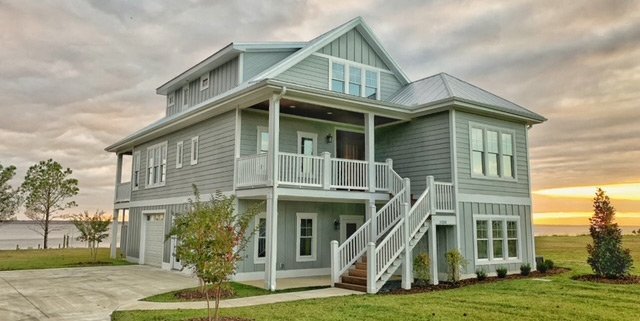
Foundation Systems for Coastal Resilience
The foundation is the most critical component in any structure, especially in areas vulnerable to wind and flood. Several foundation types are commonly used in coastal construction, each with its own advantages:
- Pile Foundations: Driven deep into the ground, piles transfer loads to stable soil layers and allow water to flow beneath the structure, reducing hydrostatic pressure.
- Elevated Slabs: Raised concrete slabs can be effective in areas with less severe flooding but must be carefully engineered to resist uplift and scour.
- Breakaway Walls: Non-structural walls designed to give way under floodwaters, minimizing damage to the main structure.
For more detailed information on best practices for foundations and other structural considerations, consult resources like this guide to best practices for coastal construction.
Material Selection and Corrosion Resistance
The choice of building materials plays a significant role in the longevity and safety of coastal structures. Salt-laden air and high humidity accelerate the decay of many conventional materials.
- Concrete: Reinforced concrete is highly resistant to moisture and wind, making it a preferred choice for walls and foundations.
- Pressure-Treated Wood: When wood is necessary, use pressure-treated or naturally decay-resistant species to prolong lifespan.
- Stainless Steel and Galvanized Fasteners: Use corrosion-resistant hardware for all connections and exposed elements.
- Impact-Resistant Glass: Windows and doors should be rated for windborne debris and high-pressure events.
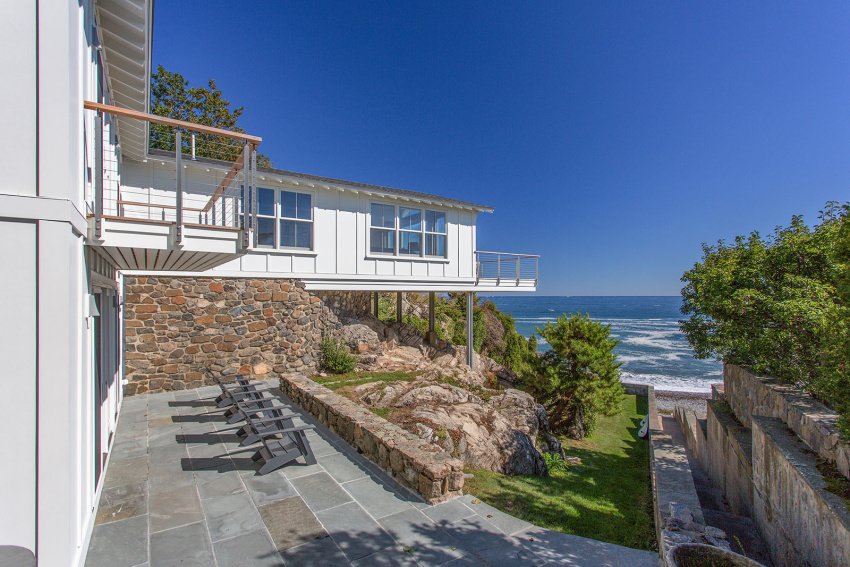
Wind-Resistant Design Features
Effective coastal building techniques incorporate design elements that minimize wind damage. These features help distribute loads, reduce uplift, and prevent structural failure.
- Aerodynamic Shapes: Roofs with low slopes or hip designs reduce wind pressure and the risk of uplift.
- Continuous Load Paths: Ensure that roofs, walls, and foundations are securely connected, allowing wind forces to be transferred safely to the ground.
- Reinforced Connections: Use hurricane ties, clips, and straps to strengthen joints and prevent separation during storms.
- Protected Openings: Install shutters or impact-rated windows and doors to shield against flying debris.
Flood Mitigation and Water Management
Managing water flow is essential for reducing flood damage. Proper drainage systems and thoughtful landscaping can help direct water away from structures and minimize erosion.
- Permeable Surfaces: Use gravel, pavers, or other permeable materials for driveways and walkways to promote infiltration and reduce runoff.
- Swales and Grading: Shape the landscape to channel water away from foundations and toward safe drainage areas.
- Flood Vents: Install vents in foundation walls to allow water to flow through, equalizing pressure and reducing structural stress.
Maintenance and Inspection for Long-Term Durability
Even the best-built coastal homes require ongoing care. Regular inspections and maintenance help identify potential issues early and extend the life of the structure.
- Inspect roofs, windows, and doors after major storms for signs of damage or leaks.
- Check fasteners, connectors, and exposed metal for corrosion and replace as needed.
- Maintain paint and sealants on wood and metal surfaces to protect against moisture and salt.
- Clear gutters, downspouts, and drainage systems to prevent water accumulation.
Local Codes, Permits, and Community Considerations
Compliance with local building codes and permitting processes is non-negotiable in coastal areas. These regulations are designed to protect both property and public safety. Engage with local authorities early in the planning process, and consider the broader community impact of your project.
Additionally, if you’re planning activities like beach outings with pets, you might want to review how to tell if the water is too rough for your dog to ensure everyone’s safety near the shoreline.
Frequently Asked Questions
What is the most important factor in building near the coast?
The most critical factor is ensuring the structure is elevated above the base flood elevation and anchored securely to withstand both wind and water forces. Site selection, foundation type, and adherence to local codes are all vital.
How can I protect my home from hurricane winds?
Use wind-resistant design features such as hip roofs, reinforced connections, impact-rated windows, and continuous load paths. Regular maintenance and inspections also play a key role in maintaining wind resistance.
Are there specific materials recommended for coastal construction?
Yes, materials like reinforced concrete, pressure-treated wood, stainless steel, and impact-resistant glass are commonly used for their durability and resistance to corrosion and storm damage.
Do I need special insurance for a coastal property?
Most coastal homeowners require flood insurance in addition to standard property insurance. Check with your provider for coverage options tailored to your location and risk profile.
By applying these coastal building techniques and staying informed about the latest best practices, you can create a safer, more resilient home that stands up to the challenges of wind and flood zones.