

Constructing a home near the ocean brings unique opportunities and challenges. The stunning views and refreshing breezes come with exposure to salt, wind, moisture, and storms. To ensure your investment stands strong for years, it’s crucial to understand the best practices for building in these environments. This article offers coastal house building tips focused on durability, safety, and peace of mind.
If you’re planning to build or renovate in a beachside community, it’s also important to stay informed about local regulations and amenities. For example, understanding jupiter beach leash laws for public areas can help you enjoy the coast responsibly, especially if you have pets.
Choosing the Right Materials for Coastal Construction
Selecting the appropriate materials is the foundation of any resilient seaside home. The salty air and high humidity can accelerate corrosion and decay, so it’s essential to use products designed for these conditions.
- Stainless steel and galvanized fasteners resist rust far better than standard options.
- Fiber cement siding is a popular choice for exteriors, as it withstands moisture and pests.
- Pressure-treated lumber is recommended for structural framing and decking to prevent rot.
- Opt for impact-rated windows and doors to protect against windborne debris and storms.
Investing in these materials may cost more upfront, but they reduce maintenance and replacement needs over time. For more inspiration on modern coastal home design and material choices, see this comprehensive guide to building a custom coastal home.
Design Strategies for Weather Resistance
The layout and structure of your beachside property play a major role in its ability to withstand the elements. Smart design choices can minimize storm damage and extend the life of your home.
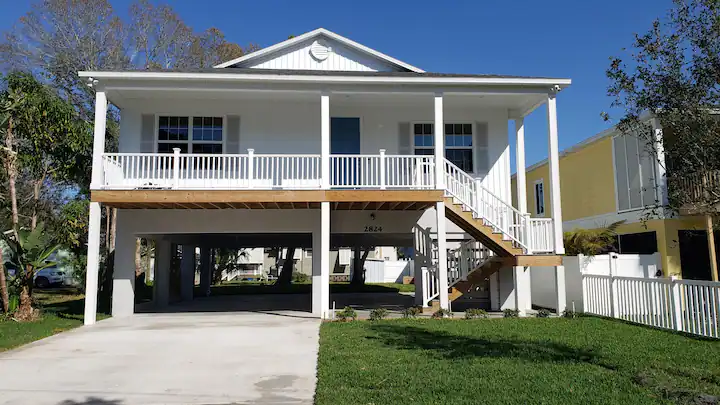
- Elevate the structure on pilings or piers to reduce flood risk and allow water to flow beneath the house.
- Use a hip or gable roof with a steep pitch to shed rain and resist wind uplift.
- Incorporate overhangs and covered porches to shield windows and doors from rain and sun.
- Plan for cross-ventilation to reduce humidity and improve indoor air quality.
These design elements not only improve safety but also boost comfort and energy efficiency. Consulting with architects who specialize in coastal environments can help you make the most of your site’s natural features.
Protecting Against Moisture and Salt Exposure
Moisture management is a top priority for homes near the ocean. Salt-laden air can penetrate building materials, leading to corrosion, mold, and decay. Here are some essential coastal house building tips for moisture control:
- Install a continuous weather barrier behind siding to block wind-driven rain.
- Use closed-cell spray foam insulation for superior moisture resistance in walls and attics.
- Ensure all exterior penetrations are properly flashed and sealed.
- Choose non-porous flooring like tile or sealed concrete for ground-level rooms.
Regular maintenance, such as washing salt deposits from surfaces and inspecting caulking, will further extend the life of your home.
Storm Preparedness and Emergency Planning
Living by the sea means preparing for hurricanes and tropical storms. Incorporate these coastal house building tips into your planning to enhance safety:
- Install hurricane shutters or impact-resistant glass on all windows and doors.
- Secure the roof with hurricane straps and reinforced trusses.
- Anchor decks, porches, and outbuildings to resist wind uplift.
- Designate a safe room or interior space for shelter during severe weather.
- Keep emergency supplies and an evacuation plan ready year-round.
Local building codes often require specific storm-resistant features, so work with professionals familiar with your area’s regulations.
Landscaping and Site Management for Coastal Homes
The area surrounding your home is just as important as the structure itself. Proper landscaping can help control erosion, manage water runoff, and protect your foundation.
- Use native plants that tolerate salt spray and sandy soils.
- Install permeable paving for driveways and walkways to reduce runoff.
- Grade the site to direct water away from the foundation.
- Consider windbreaks or dune restoration to shield your property from storms.
Thoughtful site management not only preserves your home but also supports the local ecosystem. For those with pets, it’s wise to review beach etiquette for dog owners in jupiter to ensure everyone enjoys the shoreline safely.
Maintenance Routines for Lasting Coastal Safety
Even the best-built homes require ongoing care. Establishing a regular maintenance schedule will help you spot issues early and prevent costly repairs.
- Inspect and clean gutters, downspouts, and drainage systems after storms.
- Wash exterior surfaces to remove salt and prevent corrosion.
- Check caulking, seals, and weatherstripping annually.
- Monitor decks, railings, and fasteners for signs of rust or decay.
- Service HVAC systems and dehumidifiers to control indoor moisture.
Keeping up with these tasks will ensure your home remains safe, comfortable, and beautiful for years to come.
Frequently Asked Questions
What are the most important materials for building near the ocean?
The best materials for coastal construction are those that resist moisture and corrosion, such as stainless steel, galvanized fasteners, fiber cement siding, and pressure-treated wood. Impact-rated windows and doors are also essential for storm protection.
How can I protect my coastal home from hurricanes?
Key steps include installing hurricane shutters or impact glass, reinforcing the roof with hurricane straps, anchoring outdoor structures, and having a clear emergency plan. Always consult local building codes for specific requirements.
What maintenance is required for homes in coastal areas?
Regular maintenance includes washing away salt deposits, inspecting and repairing seals, checking for rust or decay, cleaning gutters, and servicing HVAC systems. Staying proactive helps prevent long-term damage.