
Building homes near the ocean presents unique challenges. High winds, salt spray, flooding, and shifting sands all demand specialized techniques and materials. Over the years, coastal construction methods have evolved to address these hazards, helping homeowners achieve greater safety, durability, and peace of mind. Whether you’re planning a new build or upgrading an existing property, understanding these strategies is essential for anyone living near the shore.
In addition to structural resilience, modern approaches also consider sustainability and long-term maintenance. By choosing the right materials and designs, coastal homeowners can protect their investments and enjoy the beauty of waterfront living without constant worry. If you’re interested in other aspects of coastal life, such as pet-friendly beaches, you might find the jupiter dog beach reviews for pet owners helpful as well.
Why Specialized Building Techniques Matter on the Coast
Homes built near the ocean face forces that inland structures rarely encounter. Hurricanes, tropical storms, and tidal surges can all cause significant damage. Salt-laden air accelerates corrosion, and sandy soils can undermine foundations. That’s why coastal construction methods focus on both strength and adaptability.
Modern codes and best practices require builders to account for:
- Wind resistance – Structures must withstand extreme gusts and flying debris.
- Flood mitigation – Elevated foundations and flood vents help protect against rising water.
- Corrosion prevention – Materials and fasteners must resist rust and decay from salty air.
- Soil stability – Deep pilings or reinforced slabs address shifting or eroding ground.
Key Elements of Resilient Coastal Home Design
To create a home that stands the test of time and weather, several design elements are prioritized in shoreline construction:
Elevated Foundations and Flood-Resistant Structures
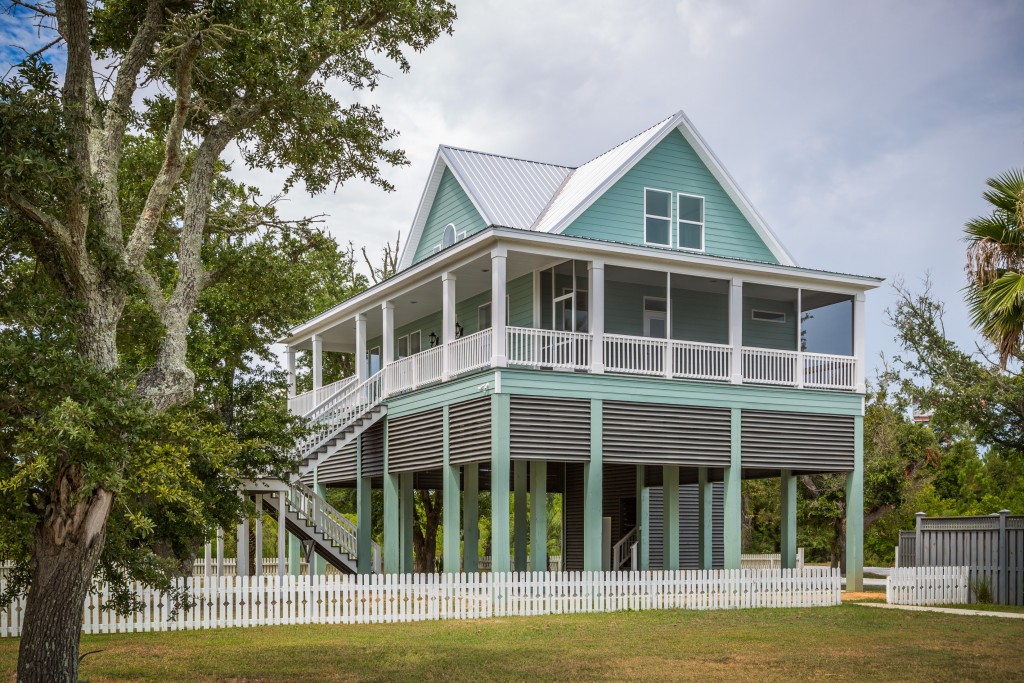
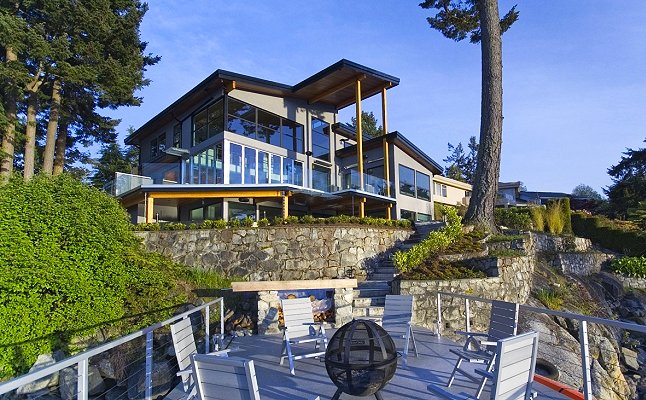
One of the most visible features of homes near the water is their elevation. Raising the main living areas above potential flood levels is a fundamental strategy. This is often achieved using pilings, piers, or reinforced concrete columns. These supports are driven deep into the ground to anchor the structure securely, even if the surrounding soil shifts or washes away.
Flood vents and breakaway walls are also common. These features allow water to flow through the lower portions of the building, reducing pressure on the structure and minimizing damage during storm surges.
Wind-Resistant Framing and Roofing
High winds can lift roofs and tear apart walls if they’re not properly secured. Coastal construction methods use reinforced framing, hurricane straps, and impact-resistant windows to keep the building envelope intact. Roofs are often designed with a low pitch and minimal overhangs to reduce wind uplift.
Materials like metal roofing and fiber cement siding are favored for their durability and ability to withstand harsh weather. Proper installation is just as important as material choice; every connection point must be strong enough to resist wind forces.
Corrosion-Resistant Materials and Fasteners
Salt air is relentless in its ability to corrode metal and degrade building materials. Stainless steel, galvanized fasteners, and specially treated wood are standard in coastal projects. These materials help prevent rust and decay, ensuring that structural connections remain strong over time.
Builders also pay close attention to exterior finishes. Paints and sealants designed for marine environments help protect surfaces from moisture and UV damage.
Modern Innovations in Shoreline Building
Advancements in engineering and materials science have led to new approaches in coastal home construction. For example, some builders now use insulated concrete forms (ICFs) or structural insulated panels (SIPs) for walls. These systems offer superior strength, energy efficiency, and resistance to moisture.
Smart home technology is also making its way into coastal properties. Sensors can monitor humidity, detect leaks, and alert homeowners to changes in structural integrity. These innovations help prevent small issues from becoming major problems.
Best Practices for Maintenance and Longevity
Even the most robust coastal home requires ongoing care. Regular inspections and maintenance are crucial for identifying wear and tear before it leads to bigger issues. Key practices include:
- Inspecting and resealing exterior finishes annually
- Checking fasteners and connectors for corrosion
- Cleaning gutters and drainage systems to prevent water buildup
- Monitoring for signs of shifting or settling in the foundation
Staying proactive helps homeowners avoid costly repairs and ensures that their property remains safe and comfortable for years to come.
Resources for Learning More About Coastal Building
For those new to shoreline construction, there are many resources available to help you understand the basics and stay up to date with the latest standards. A helpful starting point is the beginner’s guide to resilient home building near the coast, which covers essential topics for both homeowners and builders.
Local building codes and regulations also play a significant role in determining what is possible and required in your area. Consulting with experienced professionals who specialize in waterfront properties is always recommended.
Frequently Asked Questions
What are the most important features of a hurricane-resistant coastal home?
Key features include elevated foundations, reinforced framing, impact-resistant windows, and roofs designed to withstand high winds. Using corrosion-resistant materials and ensuring all connections are securely fastened are also critical for hurricane-prone areas.
How do I choose the right materials for a home near the ocean?
Look for materials specifically rated for marine or coastal environments. Stainless steel, galvanized fasteners, fiber cement siding, and metal roofing are all excellent choices. These materials are designed to resist salt, moisture, and UV exposure.
Are there special maintenance requirements for homes built with coastal construction methods?
Yes, regular inspections are essential. Check for corrosion, reseal exterior finishes, and ensure that drainage systems are clear. Promptly address any signs of damage or wear to prevent larger issues down the line.