
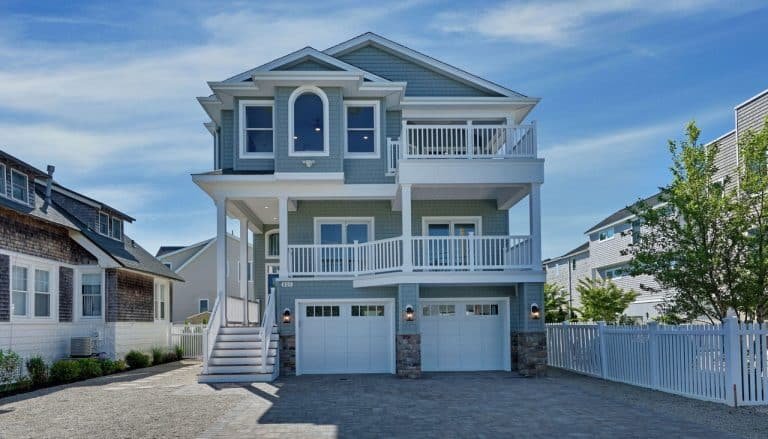
Building a house near the ocean offers a unique opportunity to enjoy breathtaking views, refreshing breezes, and a relaxed lifestyle. However, coastal home construction planning brings its own set of challenges and considerations that differ from inland projects. From choosing the right materials to navigating local regulations and preparing for the elements, a thoughtful approach is essential for a successful build.
Whether you’re dreaming of a permanent residence or a vacation retreat, understanding the steps involved in preparing for a seaside build will help you avoid common pitfalls. This article covers the essentials of planning, design, and execution to ensure your coastal property stands strong and serves your needs for years to come.
If you’re also a pet lover considering a move to the coast, you might find jupiter dog beach reviews for pet owners helpful as you plan your new lifestyle.
Key Considerations for Building by the Shore
Before breaking ground, it’s important to understand the unique factors that influence coastal home construction planning. These include environmental regulations, weather patterns, and the impact of salt air on building materials. Each of these elements can affect your budget, timeline, and the long-term durability of your home.
- Local Codes and Permits: Coastal zones often have stricter building codes to protect both the environment and your property from storms and erosion. Research local requirements early to avoid delays.
- Flood Zones: Many seaside lots are in flood-prone areas. You may need to elevate your structure or incorporate flood-resistant features.
- Wind and Storm Resistance: High winds and hurricanes are common in many coastal regions. Reinforced roofs, impact-resistant windows, and sturdy foundations are essential.
- Salt Air Exposure: Salt can accelerate corrosion and wear on metal, wood, and even concrete. Choosing the right materials and finishes is critical for longevity.

Design Strategies for Lasting Coastal Homes
A successful seaside residence blends beauty with resilience. When approaching planning for a coastal home build, work closely with architects and builders who have experience in your region. They can help you incorporate features that maximize views and natural light while protecting your investment.
- Elevated Structures: Raising your home on pilings or piers can help prevent flood damage and improve ventilation.
- Open Floor Plans: Large windows and open layouts take advantage of ocean views and breezes, creating a seamless connection with the outdoors.
- Durable Materials: Opt for fiber cement siding, stainless steel hardware, and pressure-treated lumber to withstand harsh conditions.
- Outdoor Living Spaces: Decks, patios, and screened porches expand your usable space and enhance the coastal lifestyle.
For more inspiration and practical advice, check out this essential guide to building your dream coastal home.
Budgeting and Timeline Tips for Seaside Projects
Managing costs and expectations is a crucial part of coastal home construction planning. Building near the ocean can be more expensive due to specialized materials, labor, and permitting processes. Here are some ways to keep your project on track:
- Get Multiple Bids: Compare quotes from several contractors with proven coastal experience.
- Plan for Contingencies: Weather delays and supply chain issues are more common in coastal areas. Build extra time and funds into your plan.
- Prioritize Essentials: Invest in structural integrity and weatherproofing before luxury finishes. You can always upgrade interiors later.
- Monitor Progress: Regular site visits and clear communication with your builder will help catch issues early.

Protecting Your Investment: Maintenance and Upkeep
Once your home is complete, ongoing care is vital for preserving its value and comfort. The coastal environment can be tough on buildings, so proactive maintenance should be part of your long-term plan.
- Regular Inspections: Check for signs of corrosion, moisture intrusion, and pest activity at least twice a year.
- Sealants and Paint: Reapply protective coatings to siding, decks, and metal fixtures as recommended by manufacturers.
- HVAC and Ventilation: Keep systems clean and well-maintained to prevent mold and salt buildup.
- Landscaping: Choose native, salt-tolerant plants and maintain proper drainage to reduce erosion risk.
Frequently Asked Questions
What are the most important materials for homes near the ocean?
The best materials for coastal properties are those that resist moisture, salt, and wind. Fiber cement siding, stainless steel fasteners, pressure-treated wood, and impact-rated windows are all excellent choices. These materials help ensure your home remains sturdy and attractive despite harsh conditions.
How can I protect my home from hurricanes and flooding?
Elevating your house on pilings, installing hurricane shutters or impact-resistant glass, and using reinforced roofing systems are all effective strategies. Additionally, proper site grading and drainage help direct water away from your foundation, reducing flood risk.
Are there special insurance requirements for coastal properties?
Yes, most lenders require flood insurance for homes in designated flood zones. Windstorm coverage may also be necessary, depending on your location. It’s wise to consult with a local insurance agent who understands the specific risks and requirements for your area.
Final Thoughts on Planning Your Seaside Residence
Thoughtful coastal home construction planning is the key to creating a safe, beautiful, and enduring retreat by the water. By working with experienced professionals, selecting resilient materials, and staying proactive with maintenance, you can enjoy the benefits of oceanfront living for years to come. Whether you’re building from scratch or renovating an existing property, a well-prepared approach will help you navigate the unique challenges of the coast.