
Building near the shoreline presents unique challenges and responsibilities. Whether you’re a homeowner, developer, or contractor, understanding coastal construction zoning regulations is essential for ensuring your project is both compliant and resilient. These rules are designed to protect sensitive environments, mitigate risks from storms and erosion, and maintain the character of coastal communities. Navigating these requirements can be complex, but with the right information, you can avoid costly mistakes and delays.
For those interested in pet-friendly coastal living, you might also want to explore jupiter dog beach reviews for pet owners to see how local regulations impact recreational spaces.
Understanding the Basics of Shoreline Zoning
Zoning laws for coastal areas differ significantly from those found inland. These regulations are shaped by environmental concerns, public safety, and community planning objectives. Typically, they address:
- Setback distances from the high-water mark or dune line
- Maximum building heights and density limits
- Permitted uses (residential, commercial, public access)
- Stormwater management and erosion control
- Requirements for flood-resistant construction
Local governments often work with state and federal agencies to enforce these standards. The intent is to reduce property damage during storms, protect wildlife habitats, and ensure public access to beaches and waterways.

Key Elements of Coastal Building Codes
When planning a project near the ocean or a major waterway, it’s crucial to review the specific coastal construction zoning regulations that apply to your site. Some of the most important elements include:
Setback and Buffer Requirements
Most jurisdictions require a minimum setback from the shoreline or designated environmental features. These buffers help protect structures from erosion and flooding, and they preserve natural habitats. The exact distance varies based on local ordinances, but it’s common to see setbacks ranging from 20 to 100 feet or more.
Elevation and Floodproofing Standards
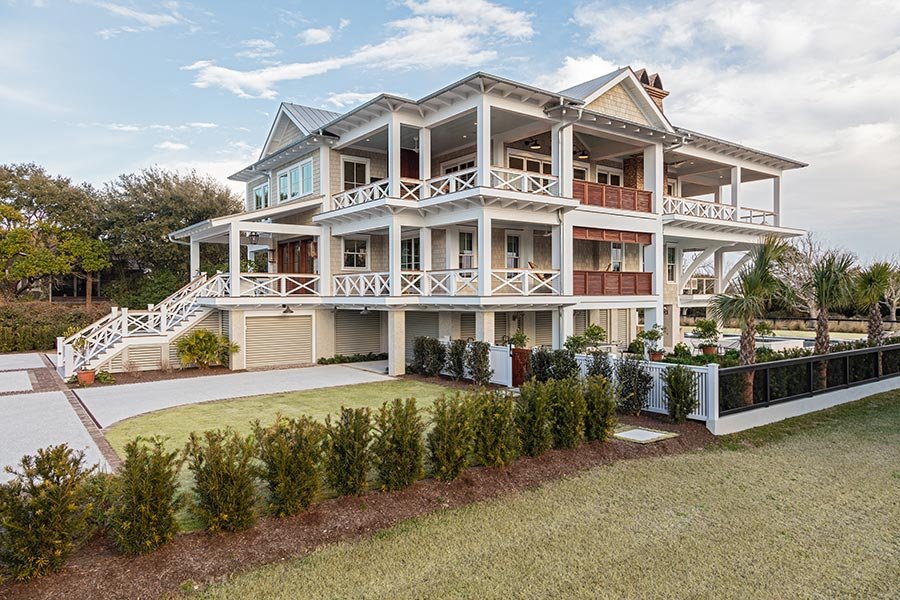
Properties in flood-prone areas must often be elevated above the base flood elevation (BFE). This may involve building on pilings or raised foundations. Additional requirements can include breakaway walls, flood vents, and the use of water-resistant materials. These measures are critical for reducing damage during hurricanes and storm surges.
Permitted Uses and Density Controls
Zoning ordinances may restrict certain types of development to protect public access or maintain the character of the area. For example, high-density residential or commercial projects might be limited in sensitive zones. Some areas also require open space or public pathways to the beach.
Environmental and Safety Considerations
Protecting the coastal environment is a top priority for regulators. Construction activities can disrupt dunes, wetlands, and marine ecosystems if not carefully managed. As a result, permits often require:
- Preservation of native vegetation and dune systems
- Stormwater management plans to prevent runoff pollution
- Minimizing impervious surfaces to reduce erosion
- Wildlife protection measures, especially for nesting birds and sea turtles
In addition to environmental safeguards, safety is a major concern. Building codes mandate wind-resistant designs, impact-rated windows, and secure roofing systems to withstand severe weather events common to coastal regions.
Permitting Process and Compliance Steps
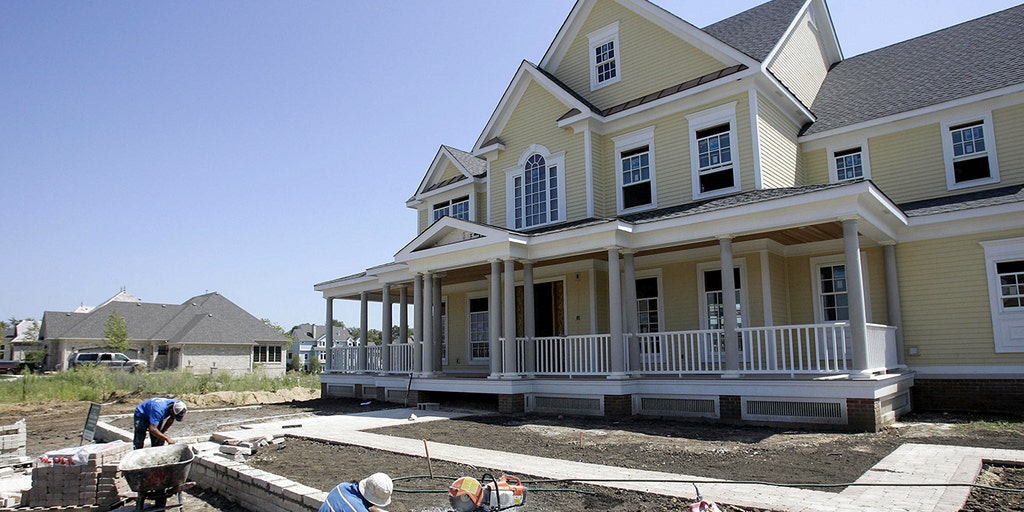
Navigating the permitting process can be one of the most challenging aspects of coastal development. Here’s a general outline of what to expect:
- Site Assessment: Begin with a survey to determine property boundaries, flood zones, and environmental features.
- Pre-Application Meeting: Many municipalities offer consultations to review your plans and identify potential issues early.
- Permit Application: Submit detailed plans, including site maps, engineering reports, and environmental impact statements.
- Agency Review: Local, state, and sometimes federal agencies will review your application for compliance with all applicable rules.
- Public Notice: Some projects require public hearings or notifications to nearby residents.
- Approval and Inspections: Once approved, inspections will be required at various stages of construction to ensure ongoing compliance.
Failing to follow these steps can result in fines, stop-work orders, or even the removal of unauthorized structures.
Common Challenges and How to Overcome Them
Even experienced builders can encounter obstacles when working in regulated coastal zones. Some frequent issues include:
- Changing Regulations: Rules can evolve in response to new environmental data or after major storms. Stay informed by checking with local planning departments regularly.
- Environmental Restrictions: Unexpected findings, such as protected species or wetlands, may require plan adjustments or additional mitigation.
- Community Opposition: Neighbors or advocacy groups may challenge projects that impact public access or scenic views.
- Cost Overruns: Meeting all code requirements, especially for floodproofing and wind resistance, can increase project costs.
Working with professionals who have experience in coastal permitting and design can help you anticipate and address these challenges efficiently.
Resources for Planning and Compliance
Staying current with the latest zoning requirements and best practices is vital. For a deeper dive into resilient building strategies, see this comprehensive guide to building a coastal home. Local government websites, planning offices, and environmental agencies are also excellent sources of up-to-date information.
If you’re planning to enjoy the beach with your dog, you may also find the article on jupiter beach dog jumping in waves safety helpful for understanding recreational rules and safety tips.
Frequently Asked Questions
What are the main goals of shoreline zoning laws?
The primary objectives are to protect sensitive ecosystems, reduce property damage from storms and flooding, and maintain public access to beaches and waterways. These rules also help preserve the unique character of coastal communities.
How can I find out which regulations apply to my property?
Start by contacting your local planning or building department. They can provide maps, zoning codes, and guidance specific to your location. Consulting with a professional familiar with coastal construction zoning regulations can also streamline the process.
What happens if I don’t comply with coastal zoning requirements?
Non-compliance can result in stop-work orders, fines, or even the requirement to remove or alter non-conforming structures. It’s always best to ensure your plans are fully approved before beginning any construction activity.
Are there special rules for renovations or additions to existing coastal homes?
Yes, many jurisdictions require that renovations or additions meet current codes, especially if the work increases the structure’s size or value. This often includes updated floodproofing and wind resistance measures.
Conclusion
Successfully building or renovating near the coast requires careful planning and a thorough understanding of all applicable zoning and building codes. By familiarizing yourself with the relevant rules, consulting with experts, and staying proactive about compliance, you can create a safe, sustainable, and enjoyable coastal property for years to come.