
Building a home near the ocean offers unique rewards, but it also comes with distinct challenges. The combination of salt air, high winds, flooding, and shifting soils demands a specialized approach to coastal home structural design. Prioritizing safety and resilience is essential for protecting your investment and ensuring peace of mind for years to come. This article explores the principles, materials, and strategies that help homes in coastal regions withstand the harshest conditions.
If you’re interested in enjoying the beach lifestyle with your pets, you might also find value in our guide on jupiter dog beach reviews for pet owners, which shares real feedback from local visitors.
Understanding the Unique Demands of Coastal Environments
Homes built near the shoreline face constant exposure to elements that can accelerate wear and threaten structural integrity. Key environmental factors include:
- High winds and hurricanes: Coastal areas are prone to severe storms that can produce hurricane-force winds, putting immense pressure on roofs, walls, and foundations.
- Flooding and storm surge: Rising sea levels and storm surges can inundate low-lying areas, causing water damage and erosion.
- Salt air and humidity: Salt-laden air accelerates corrosion of metal components and can degrade traditional building materials.
- Soil movement: Sandy or shifting soils may undermine foundations if not properly addressed during design and construction.
Addressing these hazards requires a thoughtful approach to coastal home structural design, with careful selection of materials and construction techniques.
Key Principles for Safe Coastal Home Construction
To ensure long-lasting safety and durability, several core principles should guide the structural planning of any home near the coast:
Elevated Foundations and Flood Protection
One of the most effective ways to protect against flooding is to elevate the living space above the anticipated flood level. This can be achieved through:
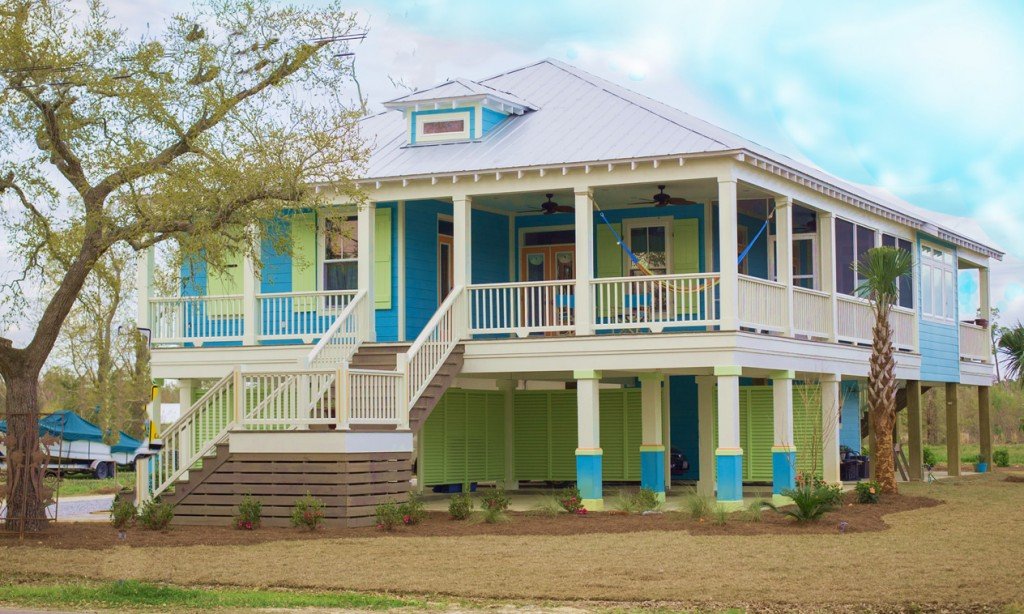
- Pilings or piers: Raising the structure on pilings allows water to flow beneath the house during floods or storm surges, reducing hydrostatic pressure and minimizing damage.
- Breakaway walls: Non-structural walls on the ground level are designed to give way under extreme water pressure, preventing damage to the main structure.
- Flood vents: These allow water to pass through foundation walls, equalizing pressure and reducing the risk of collapse.
Wind-Resistant Structural Systems
Homes in hurricane-prone regions must be able to withstand powerful winds. Effective strategies include:
- Continuous load paths: Ensuring that the roof, walls, and foundation are securely connected helps transfer wind forces safely to the ground.
- Impact-resistant windows and doors: These prevent wind and debris from breaching the building envelope.
- Reinforced roofs: Using hurricane straps, clips, and additional bracing keeps the roof attached during storms.
Material Selection for Durability
Choosing the right materials is crucial for longevity in harsh coastal conditions. Consider:
- Corrosion-resistant metals: Stainless steel, galvanized fasteners, and aluminum components resist rust and deterioration from salt air.
- Concrete and masonry: These materials offer strength and resistance to moisture, making them ideal for foundations and exterior walls.
- Fiber-cement siding: This cladding option withstands humidity and salt spray better than wood or vinyl.
Design Strategies for Resilient Coastal Living
Beyond the structural core, thoughtful design choices can further enhance safety and comfort in a seaside home. Here are several strategies to consider:
- Minimize large overhangs: While attractive, large roof overhangs can catch wind and increase uplift forces. Keeping them modest improves wind resistance.
- Simple rooflines: Gable and hip roofs with fewer angles are less susceptible to wind damage than complex designs.
- Proper site orientation: Positioning the home to minimize direct wind exposure and maximize natural drainage helps reduce risk.
- Landscaping for erosion control: Native plants and engineered barriers can help stabilize soil and protect against stormwater runoff.
For a comprehensive overview of best practices in resilient building, see this guide to constructing resilient homes in coastal areas.
Maintenance Considerations for Long-Term Safety
Even the best-designed homes require ongoing care to maintain their protective features. Regular maintenance is especially important in coastal environments:
- Inspect and repair seals: Check caulking around windows, doors, and siding to prevent water intrusion.
- Monitor for corrosion: Look for rust on metal fasteners, railings, and hardware, and replace as needed.
- Clean gutters and drainage systems: Keeping these clear ensures proper water flow away from the foundation.
- Check for shifting or settling: Address any signs of foundation movement promptly to prevent structural issues.
Proactive attention to these details helps preserve the integrity of your home and protects against costly repairs.
Integrating Safety with Lifestyle Needs
While structural resilience is paramount, a well-designed coastal residence also supports the lifestyle you envision. For pet owners, for example, proximity to dog-friendly beaches and safe outdoor spaces can be a priority. If you’re planning activities with your dog, our article on jupiter beach dog jumping in waves safety offers practical tips for a safe and enjoyable experience.
Balancing safety, comfort, and personal preferences is the hallmark of successful coastal home structural design. Collaborating with experienced architects, engineers, and builders who understand local codes and environmental risks is the best way to achieve a home that is both beautiful and secure.
Frequently Asked Questions
What are the most important features for a hurricane-resistant coastal house?
Key features include elevated foundations, continuous load paths connecting the roof to the foundation, impact-resistant windows and doors, reinforced roofing systems, and the use of corrosion-resistant materials. These elements work together to help the structure withstand high winds and flooding.
How can I protect my coastal home from salt air corrosion?
Use stainless steel, galvanized, or aluminum fasteners and hardware throughout the home. Regularly inspect for signs of rust and replace affected components promptly. Applying protective coatings and choosing materials like fiber-cement siding can also reduce the impact of salt air.
Is it necessary to elevate my house if I’m not directly on the shoreline?
Elevation is recommended for any property within a flood-prone area, not just those directly on the beach. Flood maps and local building codes can help determine the appropriate elevation for your location, providing added protection against storm surge and rising water.