
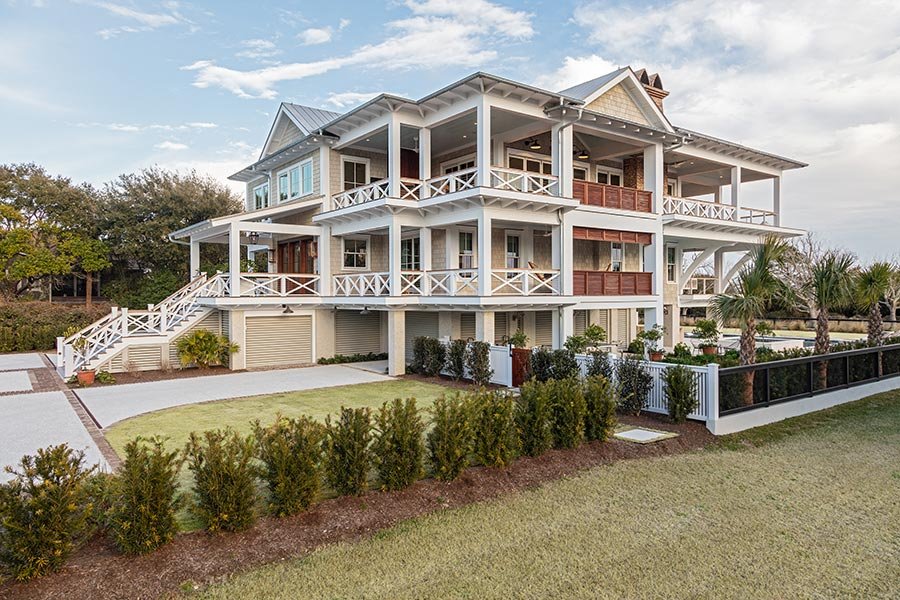
Creating a relaxing and functional balcony is a top priority for many homeowners living by the sea. A well-designed outdoor space can enhance your connection to the ocean, provide a peaceful retreat, and add value to your property. Whether you’re renovating an existing balcony or planning a new build, thoughtful choices in materials, layout, and decor are essential for a successful coastal home balcony design.
In this article, you’ll find practical inspiration for transforming your seaside balcony into a beautiful and resilient extension of your living space. We’ll discuss key considerations, popular styles, and expert tips to help you make the most of your coastal location. For a deeper understanding of construction methods that stand up to the elements, see our guide on coastal construction best practices.
Key Elements for a Functional Seaside Balcony
When planning a balcony for a coastal residence, it’s important to focus on durability, comfort, and style. The harsh marine environment—characterized by salt air, strong winds, and intense sunlight—demands careful selection of materials and finishes. Here are some essential factors to keep in mind:
- Weather-resistant materials: Opt for stainless steel, powder-coated aluminum, or composite decking to prevent rust and decay.
- Proper drainage: Ensure your balcony has adequate slope and drainage systems to avoid water pooling and damage.
- Wind protection: Glass balustrades or louvered screens can shield your space from gusts without blocking the view.
- UV-resistant finishes: Choose outdoor fabrics and paints that can withstand prolonged sun exposure.
- Low-maintenance landscaping: Potted succulents, grasses, and hardy coastal plants thrive in salty air and require minimal care.
Popular Styles for Coastal Balcony Spaces
The aesthetic of a balcony by the sea often reflects the natural surroundings. Light colors, organic textures, and open layouts are common choices. Here are some style directions to consider for your coastal home balcony design:
- Classic nautical: Incorporate navy and white stripes, rope accents, and teak furniture for a timeless maritime feel.
- Modern minimalism: Clean lines, glass railings, and neutral tones create a contemporary look that maximizes ocean views.
- Rustic beach cottage: Weathered wood, wicker seating, and soft blue hues evoke a relaxed, vacation-like atmosphere.
- Tropical retreat: Add lush greenery, bamboo details, and vibrant textiles for a lively, resort-inspired space.

Choosing the Right Materials for Longevity
Selecting the best materials is crucial for balconies exposed to coastal conditions. Salt, humidity, and sun can quickly degrade surfaces that aren’t designed for the environment. Here’s what to look for in your selections:
- Decking: Composite boards and treated hardwoods resist warping and fading better than untreated timber.
- Railings: Glass panels offer unobstructed views and are easy to clean, while stainless steel provides strength and corrosion resistance.
- Furniture: Outdoor-rated pieces made from powder-coated metal, resin wicker, or marine-grade fabrics will last longer and require less upkeep.
- Lighting: Solar-powered or LED fixtures designed for outdoor use ensure safety and ambiance without frequent replacements.
For a comprehensive overview of building methods and material choices, our article on what is coastal home construction offers valuable insights into the unique demands of seaside living.
Maximizing Views and Privacy
One of the main attractions of a seaside balcony is the view. However, privacy and comfort are also important. Here are some ways to balance openness with seclusion:
- Glass balustrades: These allow for uninterrupted vistas while providing a windbreak.
- Planter screens: Tall pots with grasses or bamboo can create natural barriers without feeling closed in.
- Retractable awnings: Adjustable shade solutions offer protection from sun and rain while maintaining flexibility.
- Outdoor curtains: Weather-resistant drapes add softness and can be drawn for privacy as needed.

Furnishing and Decorating Your Outdoor Retreat
The right furnishings can turn your balcony into a true extension of your indoor living space. Focus on comfort, durability, and a cohesive look that complements your home’s architecture. Consider these tips:
- Seating: Modular sofas, lounge chairs, or built-in benches maximize flexibility and relaxation.
- Tables: Choose compact, weatherproof tables for dining or drinks without crowding the space.
- Textiles: Outdoor rugs, cushions, and throws in marine-grade fabrics add color and softness while resisting mildew.
- Accessories: Lanterns, candles, and decorative planters personalize the space and enhance the coastal vibe.
For more on the basics of building and outfitting homes by the water, our resource on coastal house construction basics is a helpful starting point.
Resilience and Maintenance in a Marine Environment
Keeping your balcony looking its best requires regular care. Salt spray, wind, and moisture can take a toll, but with the right approach, you can minimize upkeep and extend the life of your investment. Here’s how:
- Routine cleaning: Rinse surfaces and furniture with fresh water to remove salt and prevent buildup.
- Inspect and repair: Check for signs of rust, corrosion, or wear, and address issues promptly to avoid costly damage.
- Protect finishes: Reapply sealants or protective coatings as recommended by manufacturers.
- Choose easy-care plants: Select species that thrive in your climate and require minimal watering or pruning.
For expert advice on building for longevity, see the key considerations when building a coastal home to ensure your balcony stands up to the elements year after year.
Frequently Asked Questions
What are the best materials for a balcony near the ocean?
The most suitable materials for a seaside balcony include stainless steel, powder-coated aluminum, composite decking, and marine-grade fabrics. These options resist corrosion, fading, and warping, making them ideal for harsh coastal environments.
How can I protect my balcony from strong winds and salt spray?
Installing glass balustrades, louvered screens, or windbreak panels can shield your space without blocking the view. Regularly rinsing surfaces with fresh water also helps remove salt deposits and prevent damage.
What plants work well on a coastal balcony?
Hardy, salt-tolerant plants such as succulents, ornamental grasses, lavender, and agave thrive in coastal conditions. Choose species that require minimal watering and can withstand wind and sun exposure.