
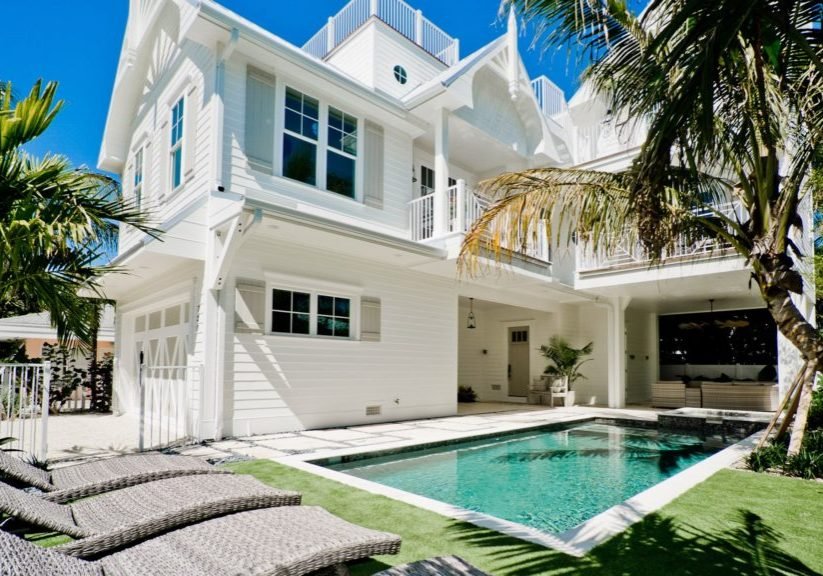
Building near the coast or in regions exposed to de-icing salts brings unique challenges. Salt can be highly corrosive, leading to premature deterioration of structures and increasing maintenance costs. Choosing salt resistant building materials is essential for long-term durability, especially for homes, commercial properties, and infrastructure in these environments.
Whether you’re planning a new construction project or renovating an existing property, understanding which materials stand up best to salty air, splash, or soil is crucial. This article explores the most effective options, practical installation tips, and maintenance strategies to help you protect your investment.
If you’re interested in how local environments affect outdoor activities, you might also find how to tell if the water is too rough for your dog helpful for understanding coastal conditions.
Why Salt Exposure Damages Traditional Building Materials
Salt, especially in coastal zones, can cause significant harm to conventional construction materials. When salt-laden air or water comes into contact with surfaces, it can penetrate porous materials, leading to corrosion, spalling, and structural weakening. This is particularly problematic for steel reinforcement in concrete, wood, and certain types of masonry.
The process often begins with salt crystals forming inside micro-cracks. Over time, these crystals expand and contract with moisture changes, causing further cracking and deterioration. In colder climates, de-icing salts used on roads and walkways can have a similar impact on nearby structures.
Top Salt Resistant Building Materials for Coastal and Salty Environments
Selecting the right products is the first line of defense against salt-induced damage. Here are some of the most reliable materials for projects exposed to salty conditions:
- Stainless Steel (Grades 316 and 2205): These alloys contain higher levels of chromium, nickel, and molybdenum, making them highly resistant to pitting and corrosion from saltwater.
- Fiber Cement Siding: Composed of cement, sand, and cellulose fibers, this material is non-porous and stands up well to salt spray, making it a popular choice for coastal homes.
- Concrete with Pozzolanic Additives: Supplementary cementitious materials like fly ash or silica fume reduce permeability, helping concrete resist salt penetration and reinforcing corrosion.
- Vinyl and PVC Products: These plastics are unaffected by salt and are commonly used for windows, railings, and trim in marine environments.
- Aluminum (with Protective Coatings): Naturally forming oxide layers make aluminum corrosion-resistant, but additional powder coatings or anodizing further enhance its durability.
- Composite Decking: Made from recycled plastics and wood fibers, composite boards resist moisture and salt, making them ideal for decks and docks.
- Glass and Glazed Tiles: Non-porous and easy to clean, these are suitable for surfaces exposed to salt spray or splash.
Comparing Salt-Resistant Options: Pros and Cons
Each material offers unique advantages and potential drawbacks. Here’s a quick comparison to help you decide which is best for your project:
| Material | Advantages | Considerations |
|---|---|---|
| Stainless Steel (316/2205) | Exceptional corrosion resistance, long lifespan | Higher upfront cost, may require periodic cleaning |
| Fiber Cement | Low maintenance, fire and pest resistant | Heavier than wood, needs proper installation |
| Concrete with Additives | Durable, customizable, cost-effective | Requires quality control during mixing and curing |
| Vinyl/PVC | Affordable, easy to install, no painting needed | Can fade or crack with prolonged UV exposure |
| Aluminum | Lightweight, rust-resistant, recyclable | Needs protective coatings in harsh environments |
| Composite Decking | Moisture and salt proof, low maintenance | More expensive than wood, may get hot in sun |
| Glass/Glazed Tile | Non-porous, easy to clean, decorative | Can be slippery when wet, may chip if impacted |
Design and Construction Tips for Salt-Prone Areas
Even the best materials benefit from thoughtful design and installation. Here are some practical recommendations for maximizing longevity in salty environments:
- Seal Joints and Surfaces: Use high-quality sealants on all joints, fasteners, and penetrations to prevent saltwater intrusion.
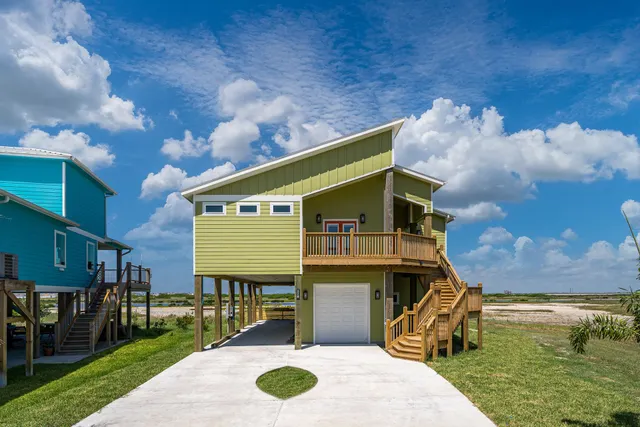
- Elevate Structures: Where possible, raise buildings and decks above ground level to minimize direct salt exposure from splash or runoff.
- Choose Corrosion-Resistant Fasteners: Use stainless steel or coated fasteners for all exterior applications.
- Design for Drainage: Ensure water drains away from surfaces quickly to reduce salt accumulation.
- Regular Maintenance: Schedule routine inspections and cleaning to remove salt deposits and check for early signs of corrosion.

Maintenance Strategies for Long-Term Durability
Even with the most robust salt resistant building materials, regular upkeep is essential. Here are some steps to keep your property in top shape:
- Rinse Surfaces Regularly: Use fresh water to wash away salt deposits, especially after storms or high winds.
- Inspect for Damage: Check for cracks, rust spots, or loose fasteners at least twice a year.
- Reapply Sealants: Maintain protective coatings and sealants according to manufacturer recommendations.
- Address Issues Promptly: Early repairs prevent minor problems from becoming major structural concerns.
Expert Resources and Further Reading
For a deeper dive into construction best practices in salty environments, see this comprehensive guide to coastal zone construction. It covers regulatory considerations, material selection, and design strategies for long-lasting structures.
FAQ: Salt-Resistant Construction and Materials
What makes a material resistant to salt damage?
Materials that are non-porous, have protective coatings, or are chemically stable in the presence of salt ions are less likely to deteriorate. Stainless steel, fiber cement, and certain plastics are engineered to resist corrosion and breakdown caused by salt exposure.
Can regular concrete be used in coastal areas?
Standard concrete is vulnerable to salt penetration, which can corrode internal steel reinforcement. Using concrete mixes with pozzolanic additives and applying surface sealers greatly improves performance in salty environments.
How often should I maintain salt-exposed structures?
It’s best to inspect and clean surfaces at least twice a year, or more frequently if your property is directly exposed to salt spray or de-icing chemicals. Promptly addressing any signs of damage will extend the life of your investment.