
Building a home near the ocean offers unique rewards—breathtaking views, fresh breezes, and a lifestyle that many dream about. However, constructing a property in a coastal environment comes with its own set of challenges. From salt-laden air to hurricane threats, the risks are different from those faced inland. Understanding the most common coastal home construction mistakes can help homeowners, builders, and architects create durable, comfortable, and resilient properties that stand the test of time.
Before diving into the specifics, it’s important to plan for the unique demands of a shoreline setting. Early research, careful material selection, and working with experienced professionals can help you avoid costly errors. If you’re interested in making your coastal property pet-friendly, you might also want to review the how to dispose of dog waste properly at the beach guide for practical tips on maintaining a clean and enjoyable environment.

Overlooking Salt and Moisture Damage
One of the most frequent coastal home construction mistakes is underestimating the impact of salt and moisture. Salt-laden air and high humidity accelerate corrosion and rot, especially in structural elements and exterior finishes. Using standard materials that aren’t rated for marine environments can lead to premature deterioration, costly repairs, and even structural failure.
- Metal fasteners and connectors should be stainless steel or hot-dipped galvanized to resist rust.
- Wood framing and siding must be pressure-treated or naturally resistant to decay, such as cedar or teak.
- Paints and sealants should be marine-grade and reapplied regularly to maintain protection.
Ignoring these requirements can result in peeling paint, rusted hardware, and weakened supports within just a few years of construction. Consulting with local experts and referencing resources like this essential guide to building by the coast can help you make informed choices.

Ignoring Wind and Storm Resilience
Coastal regions are often exposed to strong winds, tropical storms, and hurricanes. Failing to design for these hazards is a critical error. Homes that aren’t engineered for high wind loads or storm surges are at risk of significant damage or even total loss during severe weather events.
Key strategies to enhance resilience include:
- Anchoring the structure to its foundation with hurricane ties and straps.
- Installing impact-rated windows and doors to resist flying debris.
- Designing rooflines and overhangs to minimize wind uplift.
- Elevating the living space above flood levels as required by local codes.
Neglecting these steps can put your investment and safety at risk. Always consult local building codes and consider exceeding minimum requirements for added peace of mind.
Poor Site Planning and Drainage
Another common pitfall in coastal construction is inadequate site planning. Water management is vital in these environments, as heavy rains and rising tides can quickly lead to flooding and erosion. Failing to grade the site properly or install effective drainage can cause water to pool around the foundation, leading to mold, mildew, and structural issues.
- Ensure the site is graded to direct water away from the home.
- Install French drains, swales, or permeable paving to manage runoff.
- Consider landscaping with native plants that help stabilize soil and absorb excess moisture.
Addressing drainage early in the process can prevent headaches and expensive repairs down the road.
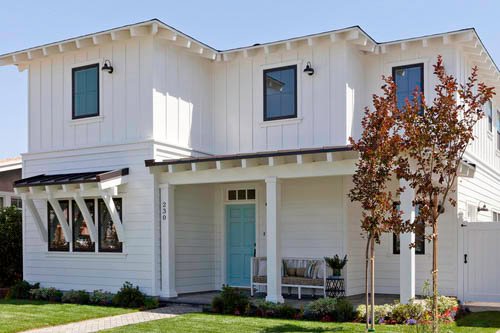
Choosing the Wrong Materials for Coastal Homes
Material selection is one of the most important decisions in any shoreline build. Using products not designed for the harsh marine environment is a frequent misstep. For example, standard drywall, insulation, and siding may not hold up to constant humidity and salt exposure.
Instead, opt for:
- Fiber cement or composite siding that resists rot and insects.
- Closed-cell spray foam insulation for moisture resistance and energy efficiency.
- Non-corrosive metals and hardware throughout the structure.
- Tile, stone, or luxury vinyl flooring that can handle occasional water intrusion.
Investing in the right materials up front can extend the life of your home and reduce ongoing maintenance costs.
Underestimating Maintenance Needs
Even the best-built coastal homes require regular upkeep. A common oversight is assuming that once construction is complete, maintenance will be minimal. In reality, salt, sun, wind, and moisture all accelerate wear and tear.
To keep your property in top condition:
- Inspect and clean gutters, downspouts, and drainage systems regularly.
- Wash exterior surfaces to remove salt deposits and prevent corrosion.
- Check seals around windows and doors for gaps or deterioration.
- Schedule annual inspections for the roof, foundation, and structural elements.
Staying proactive with maintenance can help you spot small issues before they become major problems.
Neglecting Local Regulations and Permits
Building near the coast often involves more stringent regulations than inland projects. Overlooking permitting requirements, zoning laws, or environmental restrictions can delay your build, increase costs, or even result in fines and forced changes.
Always work with professionals familiar with local rules and secure all necessary permits before starting construction. This ensures your project proceeds smoothly and remains compliant with all legal and environmental standards.
Failing to Plan for Outdoor Living Spaces
Many people choose to live by the sea to enjoy outdoor living. However, failing to design decks, patios, and landscaping that can withstand the coastal climate is a missed opportunity. Use weather-resistant materials, provide adequate shade, and plan for wind protection to maximize your enjoyment of outdoor spaces.
Additionally, consider how your landscaping choices can support erosion control and privacy while blending with the natural surroundings.
Frequently Asked Questions
What are the most important materials to use for a home near the ocean?
For coastal construction, prioritize materials that resist moisture, salt, and wind. Stainless steel, pressure-treated wood, fiber cement siding, and closed-cell spray foam insulation are all excellent choices. These materials help prevent corrosion, rot, and mold, ensuring your home remains durable and comfortable.
How can I protect my property from hurricanes and strong winds?
To safeguard your home from severe weather, use hurricane ties and straps to anchor the structure, install impact-resistant windows and doors, and design the roof to minimize wind uplift. Elevating the living space above potential flood levels is also crucial in many coastal zones.
Do I need special permits to build on the coast?
Yes, coastal construction often requires additional permits and compliance with environmental regulations. Always check with local authorities and work with professionals experienced in shoreline projects to ensure your build meets all legal requirements.
How often should I maintain my coastal property?
Regular maintenance is essential. Inspect your home at least once a year, paying special attention to the roof, foundation, and exterior finishes. Clean salt deposits from surfaces, check seals around windows and doors, and maintain gutters and drainage systems to prevent water damage.
Conclusion
Constructing a home by the sea is a rewarding but complex endeavor. By avoiding the most common coastal home construction mistakes—from poor material choices to inadequate storm planning—you can enjoy a safe, beautiful, and long-lasting property. For more detailed advice, consult resources like this comprehensive guide to building your dream coastal home. With the right planning and ongoing care, your coastal residence can provide comfort and protection for years to come.