
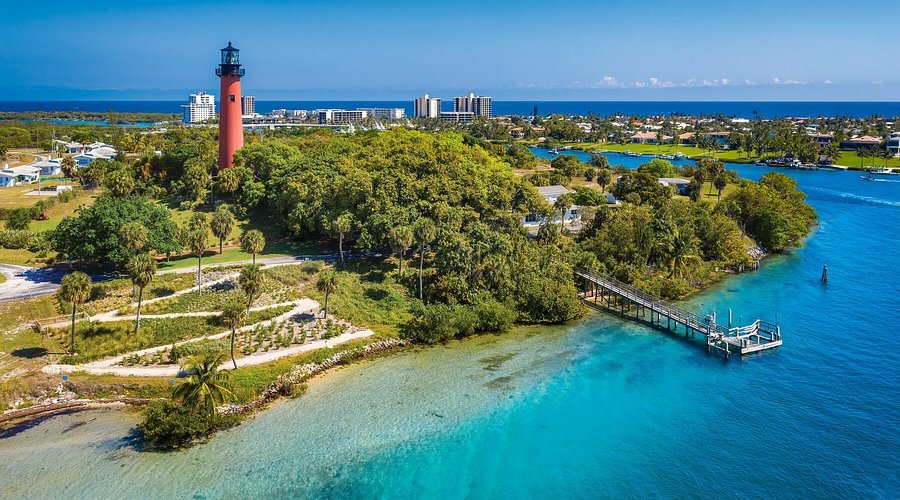
The Jupiter region of Florida is home to a vibrant and diverse ecosystem, where birds play a critical role in maintaining the health and balance of natural habitats. From the lush mangroves along the Intracoastal Waterway to the sandy dunes of Jupiter Beach, avian species contribute to pollination, pest control, seed dispersal, and the overall vitality of local flora and fauna. Understanding the importance of birds in Jupiter ecosystem is essential for anyone interested in conservation, outdoor recreation, or simply appreciating the unique beauty of this coastal area.
Birdwatchers, residents, and visitors alike can witness a variety of species, including wading birds, raptors, songbirds, and migratory flocks. Their presence not only enhances the natural landscape but also supports tourism, education, and scientific research. As human activity and development continue to shape the region, it becomes increasingly important to recognize the value of these winged inhabitants and take steps to protect their habitats.
For those planning to explore the outdoors with pets, it’s helpful to review resources like the jupiter dog beach visitor guide for tourists to ensure responsible recreation and minimize disturbance to wildlife.
How Birds Shape the Jupiter Area’s Natural Balance
Birds are more than just a beautiful sight along Jupiter’s beaches and wetlands—they are vital contributors to ecological stability. Their daily activities help regulate insect populations, pollinate native plants, and spread seeds that foster new growth. For example, wading birds such as herons and egrets feed on fish and aquatic invertebrates, keeping these populations in check and supporting water quality.
Raptors like ospreys and hawks control rodent and small mammal numbers, while songbirds and woodpeckers assist in managing insects that could otherwise damage native vegetation. These interactions create a web of relationships that sustains the region’s biodiversity and resilience against environmental stressors.
Key Bird Species and Their Ecological Roles
The importance of birds in Jupiter ecosystem is evident when examining the diversity of species found in the area. Some of the most notable include:
- Wading Birds: Great blue herons, snowy egrets, and roseate spoonbills are commonly seen in marshes and along waterways. They help maintain healthy fish and amphibian populations.
- Shorebirds: Species like the piping plover and black skimmer rely on sandy beaches for nesting and feeding, making them sensitive indicators of coastal health.
- Raptors: Ospreys, bald eagles, and red-shouldered hawks nest in tall trees and hunt over open water or grasslands, playing a crucial role in the food chain.
- Songbirds: Warblers, cardinals, and mockingbirds contribute to insect control and pollination, especially during spring and fall migrations.
Each of these groups fulfills unique ecological functions that benefit both wildlife and humans. Their presence signals a thriving environment and supports recreational activities such as birdwatching and nature photography.
Threats Facing Avian Populations in Jupiter
Despite their ecological significance, birds in Jupiter face a range of challenges. Habitat loss due to coastal development, pollution, disturbance from recreational activities, and climate change all threaten local populations. Litter, especially plastics and fishing lines, can entangle or harm birds, while pesticides and runoff degrade the quality of wetlands and waterways.
Unleashed pets, especially dogs, can disturb nesting shorebirds and ground-dwelling species. To help protect these animals, pet owners should be aware of local regulations and best practices, such as those outlined in the jupiter beach dog leash requirements for parking lots.
Additionally, climate change is altering migration patterns and breeding seasons, putting further stress on already vulnerable species. Rising sea levels threaten nesting sites, while increased storm activity can destroy habitats and food sources.
Conservation Efforts and How You Can Help
Protecting the importance of birds in Jupiter ecosystem requires a combination of community action, responsible recreation, and support for conservation initiatives. Here are some practical steps individuals and groups can take:
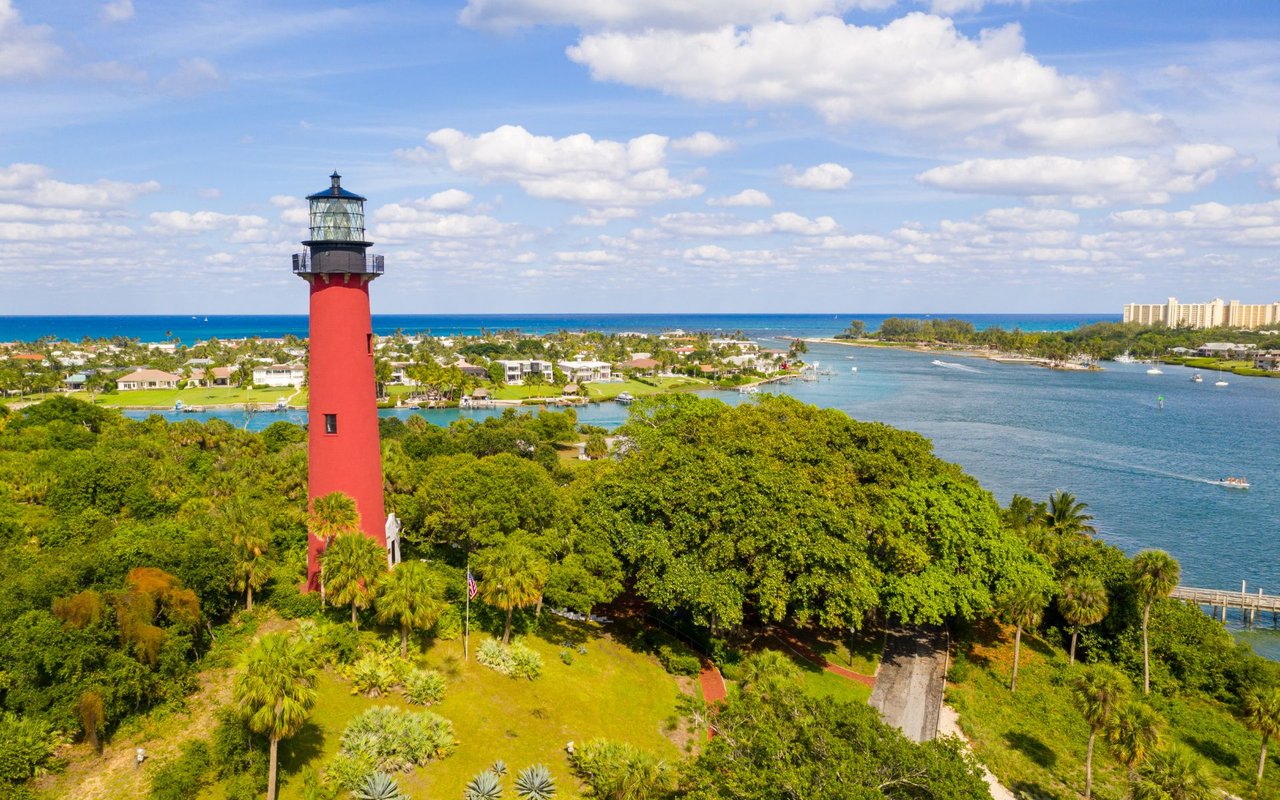
- Support Local Conservation Areas: Visit and contribute to protected sites such as the Jupiter Inlet Lighthouse Outstanding Natural Area, which provides critical habitat for many bird species.
- Practice Responsible Birdwatching: Observe birds from a distance, avoid disturbing nests, and use binoculars or field guides to enhance your experience.
- Keep Beaches and Parks Clean: Dispose of trash properly, and consider learning more about how to dispose of dog waste properly at the beach to reduce pollution and protect wildlife.
- Plant Native Vegetation: Landscaping with native plants provides food and shelter for birds, supporting both resident and migratory species.
- Participate in Citizen Science: Join local bird counts or monitoring programs to contribute valuable data for conservation research.
- Educate Others: Share information about the value of birds and the need for habitat protection with friends, family, and community members.

Birdwatching Tips for Jupiter Visitors
Jupiter offers excellent opportunities for birdwatching year-round. To make the most of your experience, consider the following tips:
- Visit early in the morning or late in the afternoon, when birds are most active.
- Bring binoculars and a field guide to help identify species and learn about their habits.
- Dress in neutral colors and move quietly to avoid startling wildlife.
- Respect posted signs and stay on designated trails to protect sensitive habitats.
- Keep pets leashed and under control, especially in areas known for nesting birds.
For those interested in combining birdwatching with other outdoor activities, winter months are ideal for exploring Jupiter’s dog-friendly beaches. For seasonal tips, check out the jupiter beach dog friendly winter activities guide.
Frequently Asked Questions
Why are birds so important to Jupiter’s ecosystem?
Birds contribute to the health of local habitats by controlling pests, pollinating plants, and dispersing seeds. Their presence supports biodiversity and helps maintain the natural balance of wetlands, beaches, and forests in the Jupiter area.
What are the main threats to birds in Jupiter?
The biggest challenges include habitat loss from development, pollution, disturbance from recreational activities, and climate change. Human actions such as littering and letting pets roam off-leash can also negatively impact bird populations.
How can I help protect birds while visiting Jupiter?
Practice responsible recreation by staying on trails, keeping pets leashed, and properly disposing of waste. Support local conservation areas and participate in citizen science projects to help monitor and protect bird populations.
Where are the best places to see birds in Jupiter?
Popular birdwatching spots include the Jupiter Inlet Lighthouse Outstanding Natural Area, Riverbend Park, and the Loxahatchee River. These areas offer a variety of habitats and are home to many resident and migratory species.
Conclusion
Birds are a cornerstone of Jupiter’s natural heritage, providing ecological, recreational, and educational value. By understanding their roles and taking steps to protect their habitats, residents and visitors can ensure that these remarkable creatures continue to thrive for generations to come. Whether you’re a seasoned birder or a casual observer, appreciating the importance of birds in Jupiter ecosystem is a meaningful way to connect with the region’s unique environment and support ongoing conservation efforts.