
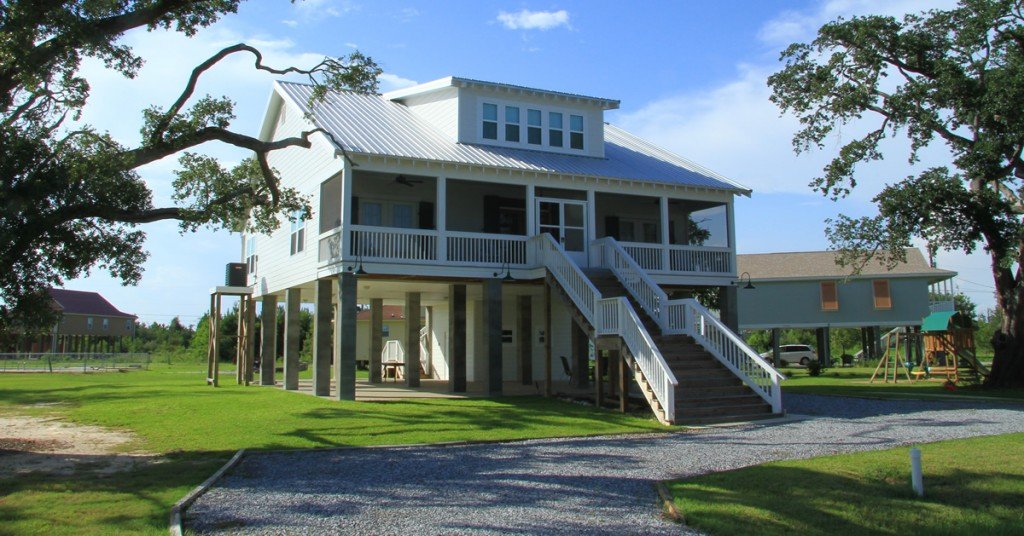
Living near the ocean offers beautiful views and a refreshing climate, but it also presents unique challenges for homeowners. One of the most significant concerns is coastal home corrosion protection. Salt-laden air, high humidity, and frequent storms can accelerate the deterioration of building materials, leading to costly repairs if not addressed proactively. Understanding the best strategies to prevent and manage corrosion is essential for anyone maintaining or building a property by the sea.
Whether you’re renovating an existing residence or planning new construction, implementing effective anti-corrosion measures can extend the life of your investment and preserve its appearance. In this guide, we’ll explore proven approaches, material choices, and maintenance tips that help defend your coastal property against the harsh marine environment.
For those who enjoy the beach lifestyle with pets, it’s also important to consider proper care and maintenance routines. If you’re interested in keeping your dog’s gear in top shape after a day by the sea, check out our advice on how to wash your dog’s harness after the beach.
Why Corrosion Is a Major Issue for Coastal Properties
Homes built near the shoreline are exposed to a unique set of environmental factors. The combination of salt spray, moisture, and wind can quickly break down unprotected materials. Salt acts as an electrolyte, accelerating the oxidation process on metals and causing wood and concrete to deteriorate faster than in inland locations. Over time, this can compromise the structural integrity and safety of the building.
Common signs of corrosion include rust stains on metal fixtures, flaking paint, crumbling concrete, and swelling or rotting wood. Early detection and intervention are crucial to prevent minor issues from becoming major repairs.
Material Selection for Enhanced Durability
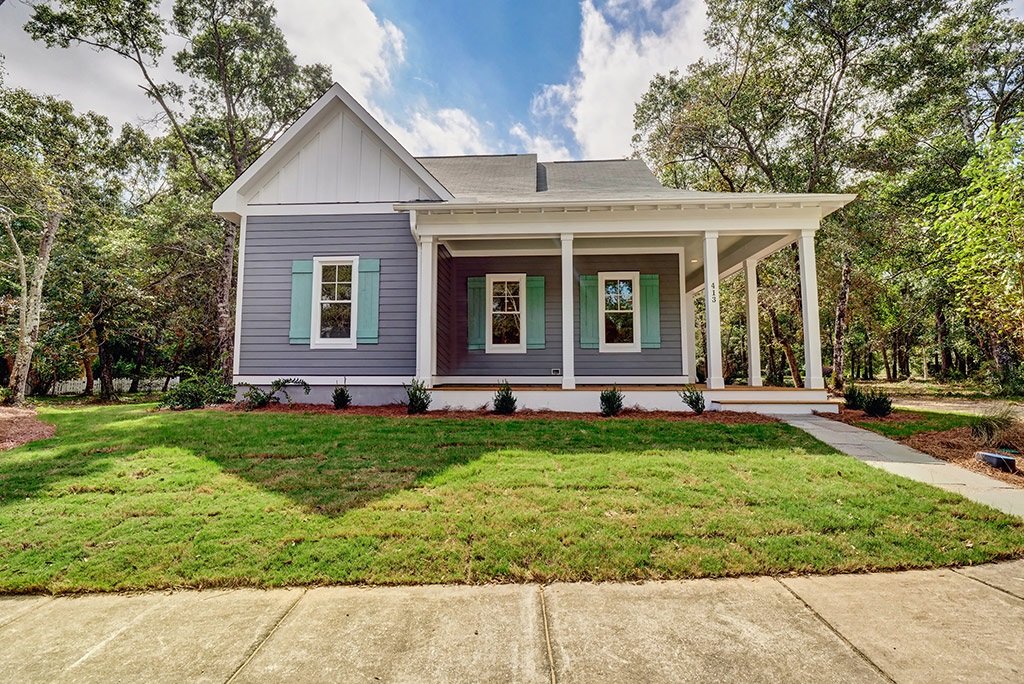
Choosing the right materials is the foundation of corrosion protection for coastal homes. Builders and homeowners should prioritize products specifically designed to withstand marine conditions. Here are some of the most effective options:
- Stainless Steel: Grades 304 and 316 stainless steel offer excellent resistance to rust and are ideal for fasteners, railings, and exterior fixtures.
- Galvanized Steel: Steel coated with a layer of zinc provides a cost-effective barrier against corrosion, especially for structural elements.
- Aluminum: Naturally resistant to corrosion, aluminum is lightweight and suitable for window frames, doors, and trim.
- Fiber Cement Siding: This material resists moisture, rot, and insect damage, making it a popular choice for coastal exteriors.
- Pressure-Treated Wood: Treated lumber is less susceptible to rot and decay, but regular maintenance is still required.
When selecting materials, consult with local experts who understand the specific challenges of your region. For a comprehensive overview of resilient building practices in marine environments, see this guide to constructing resilient homes in coastal areas.
Protective Coatings and Sealants
Applying protective coatings is a critical step in any coastal home corrosion protection plan. Paints, sealants, and specialized coatings act as barriers, preventing moisture and salt from reaching vulnerable surfaces. Here are some key recommendations:
- Epoxy Coatings: These provide a tough, water-resistant layer for metal and concrete surfaces.
- Marine-Grade Paints: Designed to withstand harsh conditions, these paints are ideal for exterior walls, doors, and trim.
- Waterproof Sealants: Use on joints, seams, and around windows and doors to block moisture intrusion.
- Wood Preservatives: Regularly treat decks, railings, and siding to prevent rot and insect damage.
Routine inspection and reapplication of coatings are necessary, as even the best products can degrade over time due to UV exposure and salt spray.
Design Strategies to Minimize Corrosion Risk
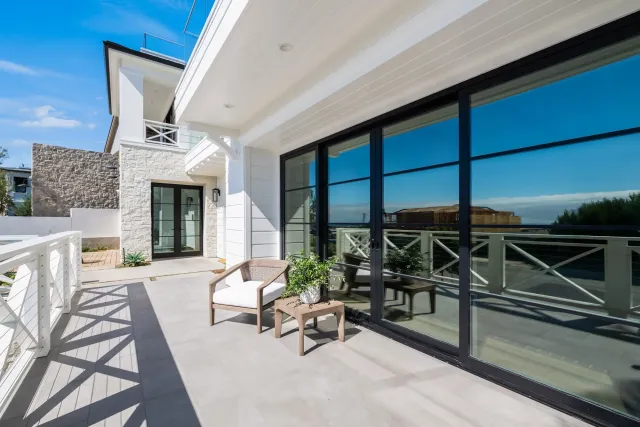
Beyond material selection and coatings, thoughtful design plays a significant role in preventing corrosion. Consider these strategies when building or renovating:
- Elevated Foundations: Raising the structure above ground level reduces exposure to saltwater flooding and splash zones.
- Proper Drainage: Ensure gutters, downspouts, and landscaping direct water away from the foundation and exterior walls.
- Ventilation: Good airflow helps keep surfaces dry and reduces humidity inside and outside the home.
- Minimal Metal-to-Metal Contact: Use isolators or gaskets to prevent galvanic corrosion where different metals meet.
- Accessible Maintenance Points: Design with inspection and upkeep in mind, making it easier to spot and address problems early.
These architectural choices can significantly extend the lifespan of your property and reduce long-term maintenance costs.
Regular Maintenance for Long-Term Protection
Even the best-built homes require ongoing attention to maintain their defenses against corrosion. Establishing a regular maintenance schedule is one of the most effective ways to safeguard your investment. Key tasks include:
- Frequent Cleaning: Rinse exterior surfaces with fresh water to remove salt deposits, especially after storms or periods of high humidity.
- Inspect for Damage: Look for rust, peeling paint, or soft spots in wood, and address issues promptly.
- Touch-Up Coatings: Reapply paint, sealant, or preservatives as needed to maintain a continuous barrier.
- Check Fasteners and Hardware: Replace corroded screws, bolts, and brackets with corrosion-resistant alternatives.
- Monitor Drainage Systems: Keep gutters and downspouts clear to prevent water accumulation near the foundation.
Staying proactive with these tasks can help you avoid expensive repairs and preserve both the safety and appearance of your home.
Additional Tips for Coastal Property Owners
Beyond the core strategies, there are a few extra steps that can further enhance your home’s resilience:
- Landscaping Choices: Select salt-tolerant plants and avoid placing dense vegetation too close to the house, which can trap moisture.
- Outdoor Furniture: Opt for corrosion-resistant materials like powder-coated aluminum or recycled plastic for outdoor furnishings.
- Garage and Storage: Store tools and equipment indoors or in sealed containers to reduce exposure to salty air.
- Community Resources: Connect with local builders and neighbors to share tips and experiences unique to your area.
For those who enjoy spending time at the beach with their pets, you may also find value in our Jupiter Beach dog friendly winter activities guide, which offers seasonal tips for coastal living.
Frequently Asked Questions
What are the most vulnerable areas of a home near the coast?
Areas most at risk include exterior metal fixtures, fasteners, decks, railings, window and door frames, and any exposed concrete or wood. These parts are directly exposed to salt, moisture, and wind, making them more susceptible to corrosion and decay.
How often should protective coatings be reapplied?
The frequency depends on the type of coating, local climate, and exposure level. Generally, exterior paints and sealants should be inspected annually and reapplied every 3–5 years, or sooner if signs of wear appear. High-exposure areas may require more frequent attention.
Can regular cleaning really make a difference in corrosion prevention?
Yes, rinsing surfaces with fresh water helps remove salt deposits that accelerate corrosion. Regular cleaning, especially after storms or periods of high humidity, is a simple but effective way to prolong the life of exterior materials and finishes.
Conclusion
Protecting a home by the sea requires a thoughtful combination of material selection, protective treatments, smart design, and ongoing maintenance. By prioritizing coastal home corrosion protection strategies, homeowners can enjoy the benefits of coastal living while minimizing the risks and costs associated with corrosion. Staying informed and proactive is the key to preserving your property’s value and beauty for years to come.