
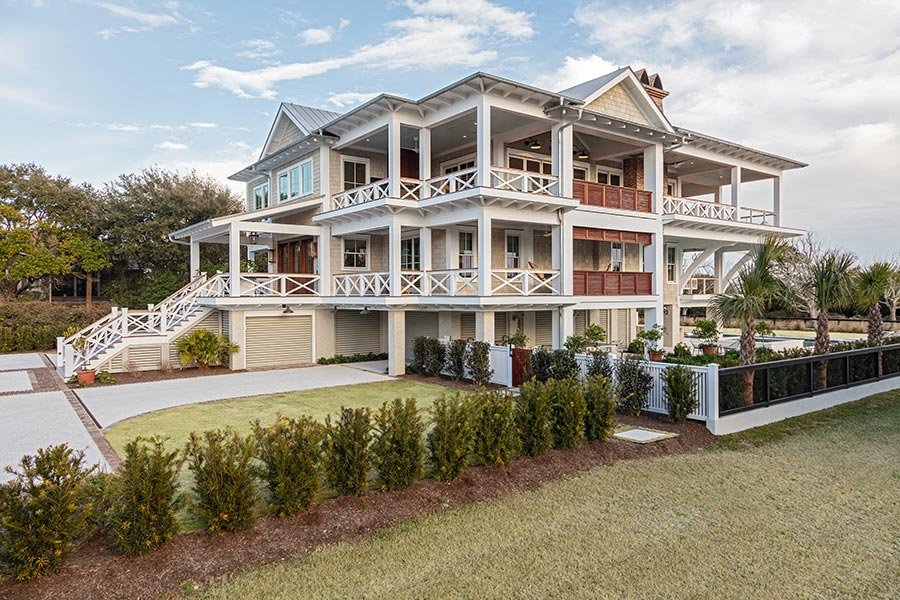
Building or maintaining a property near the ocean presents unique challenges, especially when it comes to managing water. Coastal home drainage systems play a crucial role in protecting structures from water damage, erosion, and flooding. The combination of high water tables, salt exposure, and unpredictable weather means that effective drainage is not just a convenience—it’s a necessity for long-term durability and safety.
Understanding the essentials of drainage for seaside properties helps homeowners and builders make informed decisions. From the types of systems available to best practices for installation and maintenance, this guide covers what you need to know to keep your coastal property dry and resilient.
For those who enjoy the beach with their pets, it’s also important to consider environmental responsibility. Learn more about how to dispose of dog waste properly at the beach to help preserve coastal ecosystems.
Why Drainage Matters for Coastal Properties
Living by the sea offers stunning views and a relaxing atmosphere, but it also exposes homes to heavy rains, storm surges, and high humidity. Without adequate drainage, water can pool around foundations, seep into basements, and cause structural damage. Over time, this can lead to mold growth, wood rot, and even foundation failure.
Effective drainage solutions for coastal homes are designed to:
- Redirect rainwater away from the building
- Prevent soil erosion around the foundation
- Reduce the risk of flooding during storms
- Protect landscaping and outdoor living spaces

Key Types of Drainage Systems for Coastal Homes
There are several drainage options suitable for properties near the shoreline. Each system addresses specific challenges posed by coastal environments. Here are the most common types:
French Drains
French drains are trenches filled with gravel and a perforated pipe that redirects surface and groundwater away from the home. They are especially useful in areas with high rainfall or poor soil drainage. The gravel allows water to flow freely into the pipe, which then carries it to a safe discharge point.
Surface Drains and Channel Drains
Surface drains, including channel or trench drains, collect water from driveways, patios, and walkways. These systems are ideal for managing runoff from hard surfaces, preventing puddles and minimizing erosion around the property.
Sump Pumps
In locations where the water table is high, sump pumps are often installed in basements or crawl spaces. These pumps automatically remove water that accumulates below the house, protecting against flooding during storms or king tides.
Swales and Grading
Swales are shallow, sloped channels that guide water away from buildings and toward designated drainage areas. Proper grading of the landscape ensures that water naturally flows away from the foundation, reducing the risk of pooling and seepage.
Design Considerations for Effective Drainage
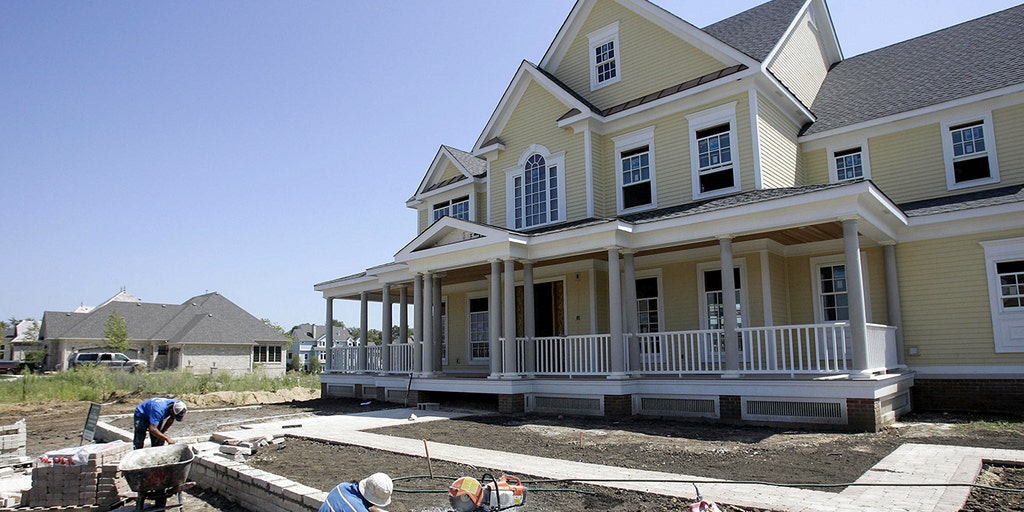
When planning drainage for a seaside property, several factors must be considered to ensure long-term performance and minimal maintenance:
- Soil Type: Sandy soils, common in coastal areas, drain quickly but may not support heavy structures. Clay soils retain water and require more robust drainage solutions.
- Elevation and Slope: Homes built on slopes or dunes need carefully designed grading to prevent runoff from flowing toward the structure.
- Salt Exposure: Salt in the air and soil can corrode metal components. Use corrosion-resistant materials for pipes, grates, and fittings.
- Local Regulations: Many coastal regions have strict building codes to protect against erosion and flooding. Always consult local authorities before installing or modifying drainage systems.
For a deeper dive into building considerations by the sea, see this comprehensive guide on what to consider when building a coastal home.
Installation and Maintenance Tips
Proper installation is key to the effectiveness of any drainage system. Here are some best practices for coastal properties:
- Hire professionals with experience in seaside construction. They understand the unique demands of the environment.
- Ensure all pipes and channels have sufficient slope for gravity drainage.
- Use geotextile fabric to prevent sand and debris from clogging French drains.
- Inspect and clean gutters, downspouts, and drains regularly, especially after storms.
- Monitor for signs of erosion or water pooling and address issues promptly.
Regular maintenance not only extends the life of your drainage system but also protects your investment in the property.
Common Challenges and Solutions
Even with the best planning, coastal drainage systems can face challenges such as:
- Clogging: Sand, leaves, and debris can block drains. Install grates and clean them frequently.
- Backflow: During extreme weather, seawater can flow back through drainage outlets. Consider installing backflow preventers.
- Subsidence: Shifting soils can damage pipes and channels. Regular inspections help catch problems early.
- Corrosion: Use PVC or other non-metallic materials where possible to reduce the risk of rust and deterioration.
Integrating Drainage with Landscaping
Well-designed landscaping can enhance the effectiveness of your drainage system. Choose native plants with deep root systems to stabilize soil and absorb excess water. Permeable paving materials allow rain to soak into the ground rather than running off hard surfaces. Swales and rain gardens can be attractive features that also serve a functional purpose.
For those who frequent the beach with their dogs, maintaining clean outdoor spaces is important. Check out tips on how to wash your dog’s harness after the beach to keep both your home and the environment clean.
Frequently Asked Questions
What is the most effective drainage solution for homes near the ocean?
The best approach often combines several methods, such as French drains, proper grading, and sump pumps. The right solution depends on your property’s elevation, soil type, and proximity to the shoreline.
How often should I inspect my drainage system?
It’s wise to check all components at least twice a year, especially before and after the rainy season. After major storms, inspect for clogs, erosion, or signs of water pooling near the foundation.
Can I install a drainage system myself, or should I hire a professional?
While some basic maintenance can be handled by homeowners, installing a comprehensive drainage system for a coastal property is best left to professionals. They have the expertise to address unique challenges such as salt exposure, high water tables, and local regulations.
Conclusion
Protecting a seaside home from water damage requires careful planning and ongoing attention. By choosing the right coastal home drainage systems, maintaining them regularly, and integrating them with smart landscaping, you can enjoy the benefits of coastal living while minimizing risks. Stay proactive, consult local experts, and keep your property safe and dry for years to come.