
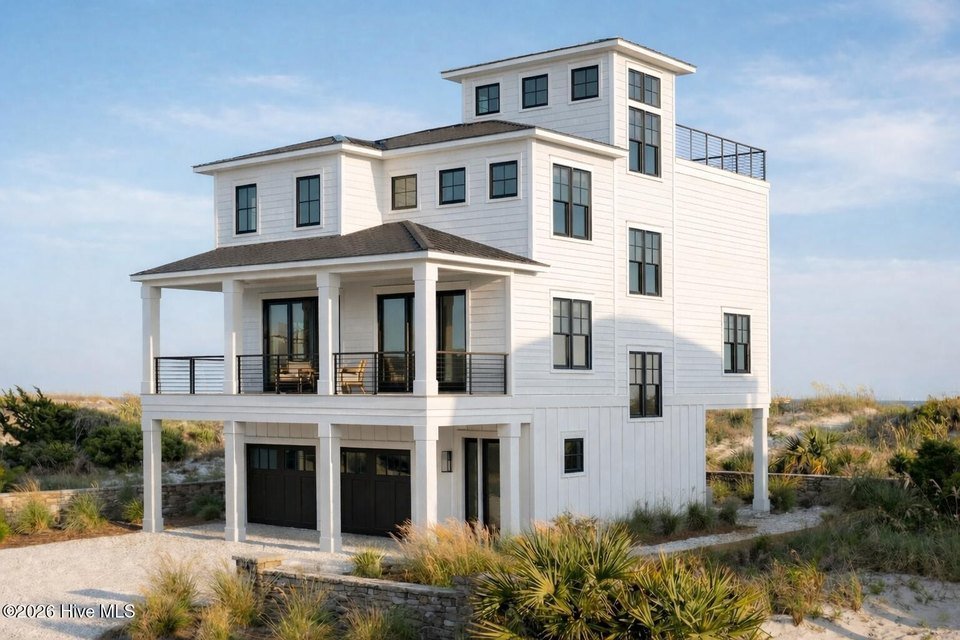
Designing a home by the sea is about more than just capturing beautiful views. Coastal home design principles blend functionality, comfort, and style to create spaces that feel open, airy, and deeply connected to their natural surroundings. These guidelines are essential for anyone seeking a modern, livable retreat that stands up to the unique challenges of coastal environments while delivering a relaxed, timeless atmosphere.
Whether you’re building from the ground up or renovating an existing property, understanding the fundamentals of seaside architecture can help you make informed decisions. From material choices to layout and decor, every detail matters. For those interested in making the most of their beachside experience, you might also enjoy this Jupiter dog beach visitor guide for tourists, which offers insights into local attractions and lifestyle tips.
Key Elements of Modern Coastal Design
Modern coastal homes are defined by their seamless integration with the outdoors, use of natural materials, and a color palette inspired by the sea and sky. The following elements are central to achieving a contemporary look that feels both fresh and enduring:
- Open floor plans that maximize light and airflow
- Large windows and sliding doors for panoramic views
- Durable, weather-resistant materials
- Neutral and ocean-inspired color schemes
- Minimalist decor with organic textures
By prioritizing these features, homeowners can create interiors that are both practical and inviting, perfectly suited to the rhythms of coastal life.
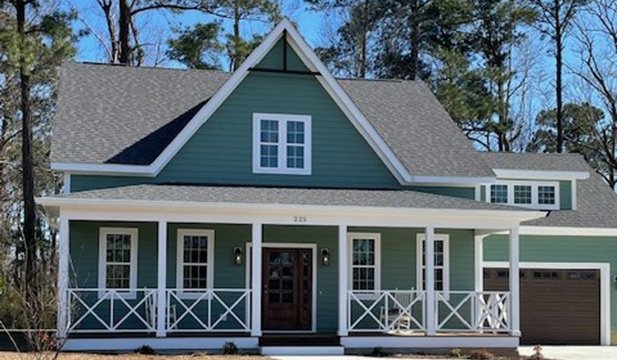
Material Choices for Coastal Durability
One of the most important coastal home design principles is selecting materials that can withstand harsh seaside conditions. Salt air, humidity, and intense sunlight can take a toll on traditional building components. To ensure longevity and low maintenance, consider these options:
- Fiber cement siding and composite decking for exterior surfaces
- Impact-resistant windows and doors
- Stainless steel or powder-coated hardware to prevent corrosion
- Tile, stone, or sealed concrete flooring for interiors
These materials not only offer protection against the elements but also contribute to a clean, modern look that’s easy to maintain year-round.
Maximizing Light and Views
Natural light is a hallmark of contemporary seaside homes. Thoughtful placement of windows, skylights, and glass doors helps blur the boundaries between indoors and outdoors. Here are some strategies to enhance brightness and showcase the surroundings:
- Install floor-to-ceiling windows in living areas
- Use transom or clerestory windows to bring in additional sunlight
- Opt for open staircases and glass railings to avoid blocking views
- Choose light-reflective finishes for walls and ceilings
These techniques not only make spaces feel larger but also foster a sense of tranquility by connecting residents with the landscape beyond their walls.
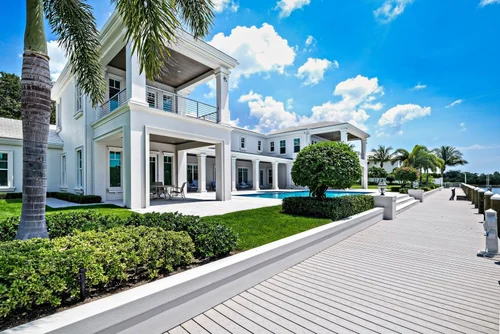
Color Palettes and Interior Styling
Color plays a vital role in setting the tone for a beach-inspired home. The most effective schemes draw from the natural environment—think soft whites, sandy beiges, seafoam greens, and shades of blue. To keep the look modern and uncluttered, stick to a neutral base and add pops of color with accessories or artwork.
When it comes to furnishings, opt for pieces that are comfortable, low-maintenance, and made from natural fibers like linen, cotton, or rattan. Layering textures—such as woven rugs, driftwood accents, and stone surfaces—adds depth and interest without overwhelming the space.
Outdoor Living Spaces
Extending living areas outdoors is a core aspect of modern seaside architecture. Patios, decks, and balconies should be designed as true extensions of the interior, offering spaces for relaxation, dining, and entertaining. Consider these ideas for functional and beautiful outdoor zones:
- Install retractable awnings or pergolas for shade
- Use weather-resistant furniture and fabrics
- Incorporate built-in seating or fire pits for year-round enjoyment
- Landscape with native plants for low-maintenance beauty
Well-designed outdoor spaces not only increase usable square footage but also enhance the overall enjoyment of coastal living.
Sustainability and Eco-Friendly Practices
Modern coastal home design principles increasingly emphasize sustainability. Building or renovating with the environment in mind helps protect fragile coastal ecosystems and can reduce long-term costs. Here are some ways to incorporate green practices:
- Choose energy-efficient windows and insulation
- Install solar panels or other renewable energy systems
- Utilize rainwater collection for irrigation
- Opt for low-VOC paints and finishes
By making eco-conscious choices, homeowners can enjoy a healthier, more efficient living environment that respects the surrounding landscape.
Common Challenges and How to Overcome Them
Building or updating a home near the ocean comes with unique challenges. Moisture intrusion, wind damage, and code requirements are just a few obstacles. Working with experienced professionals who understand the nuances of coastal construction is critical. For a deeper dive into the process, check out this comprehensive guide to building your dream coastal home, which covers planning, materials, and best practices.
Additionally, regular maintenance—such as sealing exterior surfaces and inspecting for corrosion—can help extend the life of your investment and keep your home looking its best.
Blending Functionality with Style
Ultimately, the most successful seaside homes are those that balance practical needs with a sense of effortless style. Prioritizing durability, maximizing natural light, and embracing a minimalist aesthetic are all part of the equation. By following these core guidelines, you can create a space that feels both modern and timeless, perfectly suited to the rhythms of coastal life.
FAQ: Coastal Home Design Fundamentals
What are the most important materials for a beachside home?
Durable, weather-resistant materials such as fiber cement siding, composite decking, stainless steel hardware, and impact-resistant windows are essential for withstanding salt air, humidity, and strong winds. These choices help ensure longevity and reduce maintenance needs.
How can I make my coastal home more energy efficient?
To improve energy efficiency, install high-quality insulation, use energy-efficient windows and doors, and consider renewable energy sources like solar panels. Incorporating passive design strategies—such as orienting the home to capture breezes and maximize natural light—can also help reduce energy consumption.
What interior design styles work best for modern seaside homes?
Minimalist and contemporary styles that emphasize open spaces, neutral color palettes, and natural textures are ideal. Incorporate comfortable, low-maintenance furnishings and use decor inspired by the surrounding landscape for a cohesive and inviting look.