
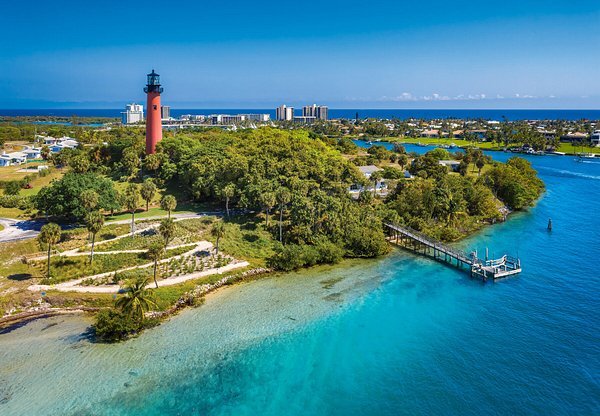
Every autumn, Jupiter, Florida becomes a vital stopover for countless migratory birds traveling along the Atlantic Flyway. The region’s unique blend of coastal habitats, wetlands, and preserved green spaces makes it a prime location for witnessing the spectacle of fall bird migration in Jupiter FL. Whether you’re a seasoned birder or just beginning to explore this fascinating hobby, the area offers remarkable opportunities to observe a wide variety of species as they journey south for the winter.
Jupiter’s natural beauty isn’t just for the birds. Its beaches, parks, and waterways also attract outdoor enthusiasts, dog owners, and families. If you’re planning to combine birdwatching with other local activities, you might find the Jupiter dog beach visitor guide for tourists helpful for making the most of your visit.
Why Jupiter is a Prime Spot for Autumn Birdwatching
The town’s location along the southeastern coast of Florida places it directly in the path of many migratory species. The convergence of freshwater and saltwater habitats, including the Loxahatchee River, mangroves, and barrier islands, creates a rich environment for birds to rest and refuel during their long journeys. In particular, fall bird migration in Jupiter FL is notable for the diversity of both land and water birds that can be observed.
Local conservation efforts have preserved key sites that are essential for migratory birds. For more information about these important areas, you can explore protected natural sites in North Palm Beach County, which include several top birdwatching destinations near Jupiter.
When to Observe the Autumn Migration
Peak migration in Jupiter typically occurs from late September through November. During this period, you’ll witness a steady stream of songbirds, raptors, shorebirds, and waterfowl passing through or stopping to rest. Early mornings are generally the best time to spot active flocks, as birds take advantage of cooler temperatures and abundant food sources.
Weather patterns can influence migration timing. After a cold front or storm, bird activity often increases as flocks are pushed southward. Keep an eye on local forecasts and plan your outings accordingly for the best chance to see a wide variety of species.

Top Locations for Spotting Migratory Birds in Jupiter
Several parks and preserves in and around Jupiter are renowned for their birdwatching opportunities during the autumn migration:
- Jupiter Inlet Lighthouse Outstanding Natural Area: This historic site offers trails, observation decks, and access to diverse habitats. The mix of scrub, mangrove, and estuarine environments attracts warblers, hawks, and wading birds.
- Riverbend Park: Located along the Loxahatchee River, this park features cypress swamps and open fields. Look for flocks of wood storks, herons, and migrating songbirds.
- Juno Dunes Natural Area: Just south of Jupiter, this coastal preserve is a hotspot for raptors and shorebirds, especially during the fall months.
- Blowing Rocks Preserve: Managed by The Nature Conservancy, this barrier island habitat is ideal for spotting seabirds and shorebirds as they travel along the coast.
Each of these locations provides accessible trails and viewing platforms, making them suitable for both beginners and experienced birders. Remember to bring your binoculars and a field guide for easier identification.
Common Species to Watch For
During the autumn migration, Jupiter hosts a remarkable variety of birds. Some of the most frequently observed species include:
- Warblers: Palm, black-and-white, prairie, and yellow-rumped warblers are commonly seen flitting through trees and shrubs.
- Raptors: Ospreys, red-shouldered hawks, and peregrine falcons are often spotted soaring overhead or perched near water.
- Shorebirds: Sanderlings, plovers, and sandpipers frequent the beaches and mudflats.
- Wading Birds: Great egrets, snowy egrets, and roseate spoonbills are abundant in wetlands and along riverbanks.
- Swallows and Swifts: Look for large flocks feeding on insects over open water and fields.
Keep an eye out for less common visitors as well, such as painted buntings or rare vagrants blown off course by storms. Recording your sightings can help local conservationists track migration patterns and population health.

Tips for a Successful Birdwatching Experience
Observing the seasonal migration in Jupiter can be rewarding with a bit of preparation. Here are some practical tips to enhance your outing:
- Arrive Early: Birds are most active at dawn, especially during migration. Plan to reach your chosen site just after sunrise.
- Bring Essential Gear: Binoculars, a field guide, water, sun protection, and insect repellent are must-haves. A camera with a zoom lens can help capture memorable moments.
- Dress Appropriately: Lightweight, neutral-colored clothing helps you blend into the environment and stay comfortable in Florida’s variable fall weather.
- Respect Wildlife: Keep a safe distance from birds and avoid disturbing their resting or feeding areas. Stay on marked trails and follow posted guidelines.
- Record Your Sightings: Use a notebook or a birding app to log species, numbers, and behaviors. This information can be valuable for both personal records and local conservation efforts.
If you’re visiting with your dog, be sure to follow local regulations and clean up after your pet. For more tips on responsible pet ownership at the beach, check out this guide on how to dispose of dog waste properly at the beach.
Conservation and Responsible Birding
Jupiter’s role as a migration hub highlights the importance of habitat preservation. Many of the region’s parks and natural areas are managed to protect both resident and migratory wildlife. As a visitor, you can contribute by following ethical birding practices, supporting local conservation groups, and participating in citizen science projects such as bird counts or habitat restoration events.
By respecting the environment and sharing your observations, you help ensure that future generations can enjoy the annual migration spectacle in Jupiter and beyond.
Frequently Asked Questions
What is the best time of day to see migratory birds in Jupiter during autumn?
Early morning, just after sunrise, is generally the best time to observe migratory birds. Birds are most active at this time as they search for food and move between resting spots.
Are there any guided birdwatching tours available in Jupiter?
Yes, several local organizations and parks offer guided bird walks during peak migration seasons. Check with the Jupiter Inlet Lighthouse Outstanding Natural Area or Riverbend Park for scheduled events and expert-led tours.
What should I bring for a successful birdwatching trip in Jupiter?
Essential items include binoculars, a Florida bird field guide, water, sun protection, insect repellent, and a camera. Comfortable, neutral clothing and sturdy shoes are also recommended for exploring trails and natural areas.