
Living near the ocean offers stunning views and a unique lifestyle, but it also comes with specific responsibilities—especially when it comes to building or owning property in areas prone to flooding. Understanding coastal home flood zone requirements is essential for anyone considering a new build, renovation, or purchase in these regions. These regulations are designed to protect both homeowners and the environment from the risks associated with rising water levels, storm surges, and hurricanes.
Whether you’re a prospective buyer, a builder, or a current homeowner, knowing the rules around flood zones can help you make informed decisions, avoid costly mistakes, and ensure your property is safe and compliant. In this article, we’ll break down the essentials, from flood zone designations to construction standards and insurance considerations.

For those interested in the fundamentals of building by the shore, our coastal house construction basics guide provides a solid foundation before diving into the details of flood zone regulations.
Understanding Flood Zone Classifications for Coastal Properties
The Federal Emergency Management Agency (FEMA) maps out flood-prone areas across the United States, assigning each a specific zone based on risk. These designations are crucial for determining what standards apply to your property. The most common flood zones affecting coastal homes include:
- Zone V (Velocity Zone): High-risk areas subject to wave action and storm surge. These require the strictest building codes.
- Zone A: Areas with a 1% annual chance of flooding but less exposure to waves. Requirements are still stringent but less so than Zone V.
- Zone X: Considered moderate or minimal risk, but some regulations may still apply.
Knowing your property’s flood zone is the first step in meeting all necessary coastal home flood zone requirements. You can find this information by checking FEMA’s Flood Insurance Rate Maps (FIRMs) or consulting your local building department.

Building Standards and Elevation Rules in Flood-Prone Areas
Construction in designated flood zones must adhere to specific building codes that aim to minimize flood damage. These standards often include:
- Minimum Elevation: Homes must be built above the Base Flood Elevation (BFE), which is the estimated level floodwaters will reach during a major event.
- Pile or Pier Foundations: Especially in V zones, homes are often required to be elevated on pilings to allow water to flow beneath the structure, reducing pressure on the building and preventing damage.
- Flood-Resistant Materials: Materials used below the BFE must withstand water exposure without significant damage.
- Openings for Water Flow: Foundation walls must include flood vents or openings to allow water to pass through, equalizing pressure and reducing the risk of structural failure.
Local governments may have additional requirements, so always check with your municipality before starting construction. For more on resilient building techniques, see our article on coastal construction best practices.
Permitting and Documentation for Coastal Construction
Obtaining the right permits is a critical part of meeting flood zone requirements for coastal homes. The permitting process typically involves:
- Floodplain Development Permit: Required for any construction, substantial improvement, or development in a flood zone.
- Elevation Certificate: A document prepared by a licensed surveyor that verifies your home’s elevation relative to the BFE. This is often needed for both permitting and insurance purposes.
- Environmental Approvals: In some cases, additional permits may be needed to protect wetlands, dunes, or wildlife habitats.
Keeping thorough records and ensuring all documentation is up to date will help avoid delays and complications during construction or future property sales.
Insurance Considerations for Homes in Flood Zones
Standard homeowners insurance does not cover flood damage. If your property is in a high-risk area, you’ll likely be required to purchase a separate flood insurance policy, especially if you have a federally backed mortgage. The cost of coverage depends on factors such as:
- Your home’s flood zone classification
- Elevation above the BFE
- Type of foundation and construction materials
- Proximity to water bodies
An up-to-date elevation certificate can sometimes lower your premiums by demonstrating that your home exceeds minimum elevation standards. For more on planning and building in these areas, explore this detailed overview of constructing a dream coastal home.
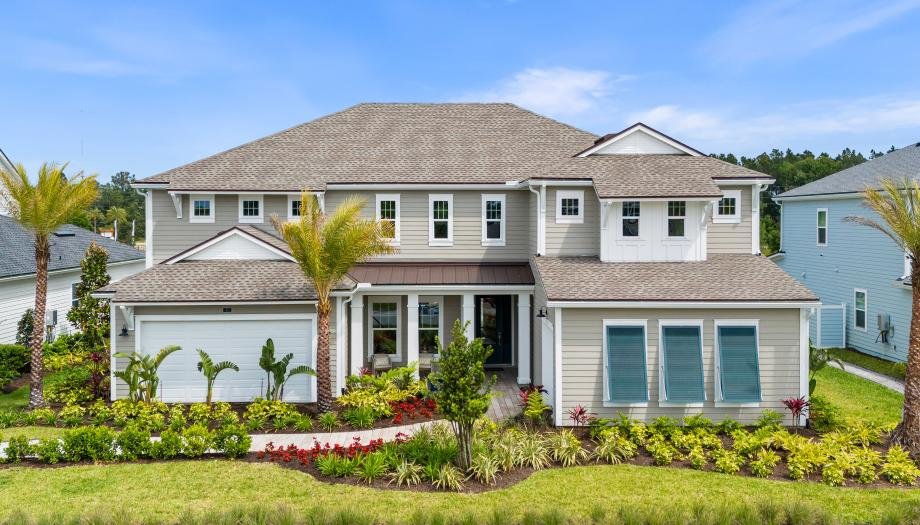
Maintaining Compliance and Preparing for the Future
Meeting coastal home flood zone requirements is not a one-time task. Regulations can change as new flood maps are released and as climate patterns shift. Homeowners should:
- Regularly review local and FEMA updates for changes to flood zone maps and building codes
- Keep all permits, certificates, and insurance documents organized and accessible
- Consider periodic property inspections to ensure ongoing compliance
- Plan for potential upgrades or retrofits if standards become more stringent
Staying proactive helps protect your investment and ensures your property remains insurable and marketable over time.
FAQ: Coastal Property Flood Zone Rules
How do I find out if my coastal property is in a flood zone?
You can check your property’s flood zone status by visiting FEMA’s Flood Map Service Center online or contacting your local building or planning department. They can provide the most current maps and guidance specific to your location.
What happens if I don’t meet flood zone building requirements?
Failing to comply with flood zone regulations can result in denied permits, fines, or even orders to modify or remove non-compliant structures. Additionally, you may face higher insurance premiums or be unable to obtain flood insurance, which can impact your ability to secure a mortgage.
Can I renovate or expand an existing home in a flood zone?
Renovations and additions are allowed, but substantial improvements (typically defined as projects costing 50% or more of the home’s value) must bring the entire structure up to current flood zone standards. Always consult local authorities before starting any major project.
Conclusion
Navigating the complexities of coastal home flood zone requirements is crucial for anyone living or building near the shoreline. By understanding flood zone classifications, following strict building codes, securing the right permits, and maintaining proper insurance, you can protect your property and ensure long-term peace of mind. For a deeper dive into the construction process, see our comprehensive guide on how to build a coastal home.