
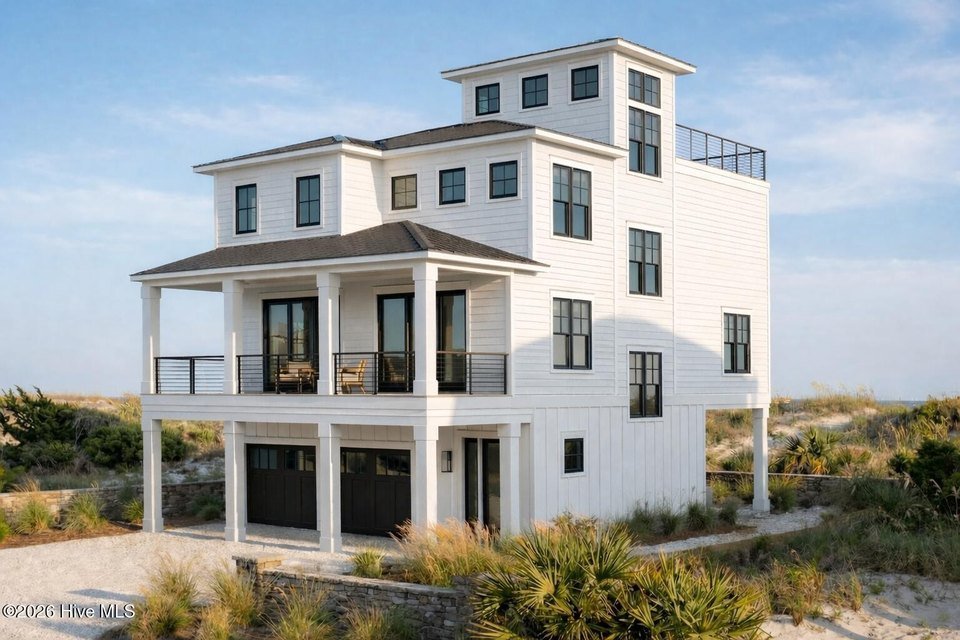
Building homes near the ocean comes with unique challenges, especially when it comes to ensuring structural stability. Coastal home foundation anchoring is a critical aspect of construction in these environments, as it protects properties from erosion, storm surges, high winds, and shifting soils. Selecting the right anchoring system not only safeguards your investment but also ensures the safety and longevity of your coastal residence.
In this article, we’ll explore the most reliable techniques for securing foundations in shoreline settings, discuss the factors that influence anchoring choices, and provide practical advice for homeowners and builders. For those interested in a deeper dive into installation specifics, the coastal home piling installation guide offers valuable step-by-step insights.
Why Secure Anchoring Is Essential for Coastal Properties
Living by the sea is appealing, but the environment puts homes under constant stress. Saltwater, wind, and waves can weaken traditional foundations over time. Without proper anchoring, structures are at risk of shifting, tilting, or even collapsing during severe weather events. Coastal home foundation anchoring methods are designed to address these threats, providing stability and resilience in the face of nature’s forces.
Local building codes often require specific anchoring strategies to minimize damage and protect communities. These regulations are based on decades of research and real-world experience, ensuring that homes are built to withstand the unique hazards of coastal living.
Piling Foundations: The Backbone of Shoreline Construction
One of the most common and effective solutions for anchoring foundations in coastal zones is the use of pilings. These deep-set columns, typically made from wood, steel, or reinforced concrete, are driven into the ground until they reach a stable layer beneath the shifting surface soils.
- Wooden Pilings: Treated timber is often used for smaller homes and lighter structures. While cost-effective, wooden pilings can be susceptible to rot and marine borers unless properly protected.
- Concrete Pilings: Precast or poured-in-place concrete offers excellent durability and load-bearing capacity. These are ideal for larger homes and areas with high water tables.
- Steel Pilings: Steel provides superior strength and is often used for commercial or multi-story buildings. However, corrosion protection is essential in salty environments.
Pilings transfer the weight of the structure to deeper, more stable soils or bedrock, reducing the risk of settlement and movement. For more on installation techniques, refer to the coastal home piling installation resource.
Alternative Anchoring Systems for Coastal Foundations
While pilings are a mainstay, other anchoring methods are sometimes used depending on site conditions, budget, and design requirements. Here are a few alternatives:
- Helical Anchors: These screw-like steel shafts are twisted into the ground, providing strong resistance to uplift and lateral forces. They are especially useful in areas with loose or sandy soils.
- Spread Footings with Tie-Downs: In less flood-prone areas, wide concrete footings combined with steel straps or rods can anchor a home effectively. However, this method is less suitable for high-risk zones.
- Grade Beams and Mat Foundations: These reinforced concrete systems distribute loads across a wide area, helping to stabilize homes built on softer soils.
The choice of anchoring system should be based on a thorough geotechnical analysis and consideration of local environmental factors.
Key Factors Influencing Foundation Anchoring Choices
Selecting the right anchoring method for a coastal property involves more than just picking a material. Several factors must be considered:
- Soil Type: Sandy, clay, and rocky soils each require different anchoring solutions. Soil testing is essential before construction begins.
- Flood and Storm Risk: Properties in flood zones or hurricane-prone areas need deeper, more robust anchoring to resist uplift and scour.
- Elevation Requirements: Many coastal homes are elevated on pilings to avoid floodwaters. The height of the elevation impacts the type and depth of anchoring needed.
- Local Building Codes: Regulations may dictate minimum standards for anchoring, materials, and installation methods.
- Environmental Impact: Sustainable building practices are increasingly important. For eco-conscious options, see the eco friendly coastal building materials guide.
Best Practices for Long-Lasting Coastal Foundations
To maximize the lifespan and performance of your anchoring system, follow these best practices:
- Engage Qualified Professionals: Work with experienced engineers and contractors who understand the complexities of shoreline construction.
- Use Corrosion-Resistant Materials: Saltwater accelerates corrosion, so select materials and coatings designed for marine environments.
- Regular Inspections: Schedule periodic checks for signs of movement, corrosion, or damage, especially after major storms.
- Maintain Drainage: Proper site grading and drainage systems help prevent water from undermining your foundation.
- Stay Informed: Keep up with evolving building codes and advances in anchoring technology.
For a broader look at building resilient coastal homes, the article on planning and constructing a dream home by the sea offers helpful perspectives on design, materials, and project management.
FAQs About Foundation Anchoring in Coastal Areas
What is the most reliable method for anchoring a home near the ocean?
Deep-set pilings, especially those made from reinforced concrete or steel, are generally considered the most reliable solution for anchoring homes in shoreline environments. They provide stability by reaching down to firm soil or bedrock, minimizing the risk of movement due to erosion, flooding, or high winds.
How often should coastal foundation anchors be inspected?
It’s recommended to inspect anchoring systems at least once a year and after any major storm or flooding event. Regular inspections help identify early signs of corrosion, settlement, or damage, allowing for timely repairs and maintenance.
Are there eco-friendly options for securing coastal home foundations?
Yes, there are sustainable materials and methods available, such as recycled steel pilings, low-impact helical anchors, and responsibly sourced timber. For more information on environmentally conscious choices, visit the eco friendly coastal building materials guide.
How do building codes affect foundation anchoring choices?
Local building codes set minimum requirements for anchoring depth, materials, and installation methods based on regional risks. Compliance is mandatory and ensures that homes are built to withstand the unique challenges of coastal environments.
By understanding the available anchoring systems and following best practices, homeowners and builders can create safe, durable residences that stand strong against the elements. Proper planning and expert guidance are essential for any successful coastal construction project.