
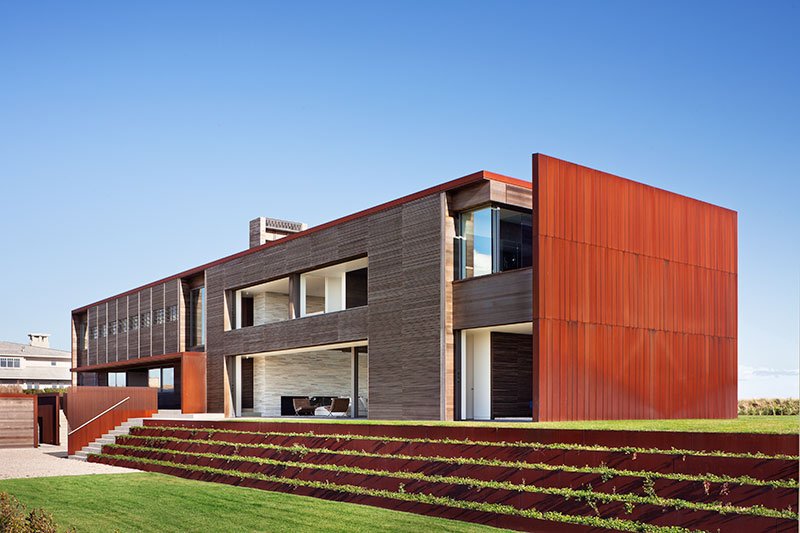
Building homes near the ocean comes with unique challenges. The ground in these areas is often sandy, marshy, or prone to flooding. To ensure safety and durability, a pile foundation for coastal houses is commonly used. This approach involves driving long columns deep into the ground to support the structure above. Understanding why this method is preferred, how it works, and what homeowners should know can help you make informed decisions about coastal construction.
Whether you’re planning a new build or simply curious about how seaside homes withstand harsh conditions, this guide covers the essentials. We’ll look at the reasons for using piles, the different types available, and what to expect during installation. If you’re interested in other aspects of coastal living, such as pet-friendly beaches, you might find the jupiter dog beach reviews for pet owners helpful as well.
Why Pile Foundations Are Essential for Beachfront Homes
Coastal environments present several hazards that make traditional foundations risky. Sandy soils have poor load-bearing capacity, and the risk of erosion or flooding is high. By using pile foundation systems for coastal homes, builders can anchor structures deep below the unstable surface layers. This helps prevent settling, tilting, or collapse during storms and high tides.
The main benefits of this construction method include:
- Stability: Piles transfer the weight of the house to stronger soil or rock layers far below the surface.
- Flood Protection: Elevating the home on piles keeps living spaces above potential floodwaters.
- Resistance to Erosion: Even if surface soil washes away, the deep foundation remains secure.
- Wind and Wave Resilience: Raised structures are less likely to be damaged by storm surges or high winds.
Types of Pile Foundations Used in Coastal Construction
Not all piles are the same. The choice depends on soil conditions, house size, and local building codes. Here are the most common types used for seaside residences:
- Timber Piles: Traditionally used for their availability and ease of installation. They are treated to resist rot and marine borers but may have a shorter lifespan than other materials.
- Concrete Piles: Precast or cast-in-place concrete piles offer excellent durability and can handle heavy loads. They are often used for larger or multi-story homes.
- Steel Piles: These are driven deep into the ground and are suitable for sites with very soft or shifting soils. Steel piles are strong but must be protected from corrosion in salty environments.
- Composite Piles: Combining materials like fiberglass and concrete, these piles offer resistance to both corrosion and marine organisms.

How the Installation Process Works
The process of installing a pile foundation for coastal houses is highly specialized. It begins with a thorough site investigation to determine soil type, water table depth, and environmental risks. Engineers then design the foundation to suit these conditions.
- Site Preparation: The area is cleared, and temporary supports may be installed.
- Pile Driving: Using heavy machinery, piles are driven or drilled deep into the ground until they reach a stable layer.
- Cutting and Capping: Once installed, piles are cut to the correct height and capped with concrete or steel to create a level platform.
- Superstructure Construction: The house is then built on top of the pile caps, with the main living areas elevated above ground level.
This method minimizes disturbance to the surrounding environment and ensures the home can withstand the challenges of coastal living.
Key Considerations for Homeowners
If you’re planning to build or renovate a house near the shore, understanding the implications of using piles is crucial. Here are some important points to keep in mind:
- Cost: Pile foundations are generally more expensive than slab or crawlspace options due to the materials and equipment required.
- Permitting: Coastal areas often have strict regulations. You’ll need permits and may have to comply with FEMA flood zone requirements.
- Maintenance: While piles are designed for durability, periodic inspections are necessary, especially after major storms.
- Insurance: Elevating your home on piles can lower flood insurance premiums, but requirements vary by location.
For a more in-depth look at building safely by the sea, this beginner’s guide to safe coastal homes offers additional insights into best practices and safety standards.

Advantages and Limitations of Pile Foundations in Coastal Areas
While the benefits of pile-supported homes are clear, it’s important to weigh them against potential drawbacks. Here’s a balanced look at what to expect:
| Advantages | Limitations |
|---|---|
| Superior flood and storm protection | Higher upfront construction costs |
| Long-term structural stability | Requires specialized contractors |
| Reduces risk of termite and moisture damage | May not be suitable for all soil types |
| Potential for lower insurance premiums | Ongoing maintenance and inspections needed |
Frequently Asked Questions
How deep do piles need to be for a coastal house?
The required depth depends on local soil conditions and the weight of the structure. In many cases, piles are driven 20 to 50 feet deep, or until they reach a stable layer of soil or rock. An engineer will determine the exact specifications for each project.
Are pile foundations resistant to hurricanes and flooding?
Yes, homes elevated on piles are better protected from flooding and storm surges. The design allows water to flow underneath the structure, reducing pressure on the building during extreme weather. However, proper engineering and regular maintenance are essential for maximum resilience.
What maintenance is required for pile-supported homes?
Regular inspections are recommended, especially after storms. Look for signs of corrosion, rot, or shifting. Timber piles may need retreatment, while steel piles require protection against rust. Keeping the area beneath the house clear of debris also helps maintain airflow and prevent moisture buildup.
Can pile foundations be used for renovations or additions?
In many cases, yes. If you’re adding onto an existing coastal home, new piles can be installed to support the extra load. It’s important to consult with a structural engineer to ensure compatibility with the original foundation.
For those interested in enjoying the coastal lifestyle with pets, don’t miss our guide to dog safety at Jupiter Beach, which covers tips for keeping your furry friends safe near the water.