
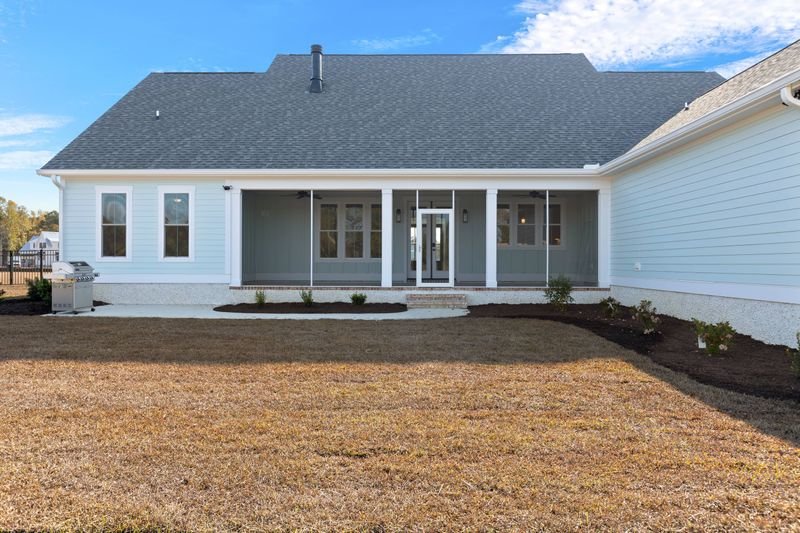
Building a home near the ocean offers unique rewards, but it also presents specific challenges—especially when it comes to choosing the right foundation. The combination of salt air, high humidity, shifting sands, and the risk of flooding or hurricanes means that the base of any seaside dwelling must be carefully considered. Understanding the coastal home foundation types available is essential for ensuring long-term durability, safety, and peace of mind for homeowners.
Whether you’re planning a new build or evaluating an existing property, knowing the strengths and limitations of each foundation option will help you make informed decisions. In this guide, we’ll break down the most common foundation solutions for coastal properties, discuss their pros and cons, and highlight what makes them suitable for life by the water.
For those who enjoy spending time on the shore with their pets, you might also be interested in jupiter dog beach reviews for pet owners to make the most of your coastal lifestyle.
Understanding the Unique Demands of Coastal Environments
Homes built near the ocean face environmental factors that can accelerate wear and compromise structural integrity. Saltwater exposure, high winds, fluctuating water tables, and sandy soils all play a role in how foundations perform over time. Because of these conditions, foundation types for coastal homes must be chosen with extra care to withstand both daily exposure and extreme weather events.
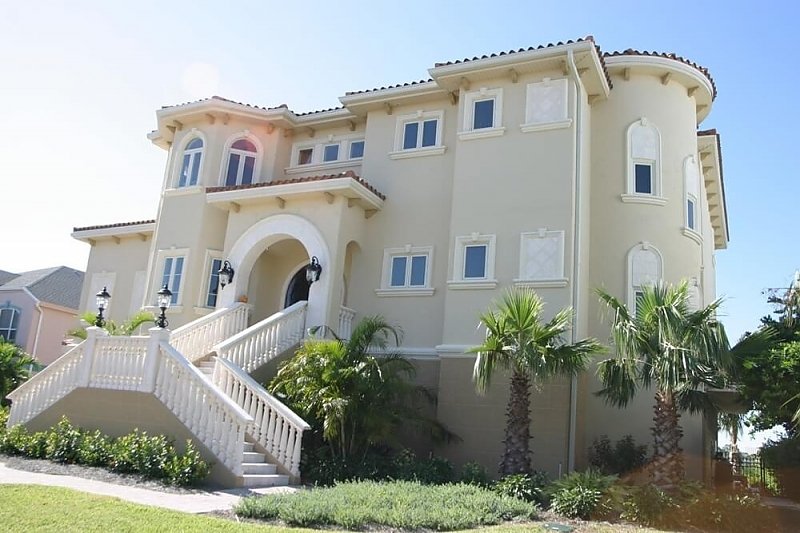
Pier and Pile Foundations: Elevating for Safety
One of the most recognizable coastal home foundation types is the pier or pile system. These foundations use long columns—made from wood, concrete, or steel—that are driven deep into the ground or seabed. The home is then elevated above the ground, often several feet or even a full story high.
- Advantages: Elevation protects the structure from flooding, storm surges, and shifting sands. Piers and piles are also less susceptible to termite damage and can be adapted for sloped or unstable terrain.
- Drawbacks: Installation can be more expensive and complex than standard foundations. Maintenance is crucial, especially for wooden piles exposed to moisture and marine borers.
This approach is common in hurricane-prone regions and areas with high flood risk, as it allows water to flow beneath the house without causing structural harm.
Slab-on-Grade Foundations: Simplicity Meets Limitations
Slab-on-grade is a straightforward method where a thick, reinforced concrete slab is poured directly onto the ground. While this is a popular choice for many inland homes, its use in coastal areas is more limited due to the risk of flooding and soil movement.
- Advantages: Cost-effective and quick to construct. Provides a solid, level base for single-story homes.
- Drawbacks: Vulnerable to water intrusion during heavy rains or storm surges. Not ideal for areas with high water tables or frequent flooding.
In some cases, slab-on-grade may be used in slightly elevated coastal regions where flooding is less of a concern, but it’s rarely the first choice for oceanfront properties.
Crawl Space Foundations: Balancing Access and Protection
Crawl space foundations lift the home slightly above ground level, creating a small space beneath the floor. This design offers some protection from moisture and pests, while also allowing easy access to plumbing and electrical systems.
- Advantages: Better ventilation than slabs, easier repairs for underfloor systems, and some defense against minor flooding.
- Drawbacks: Not as effective as piers or piles for major flood events. Requires careful moisture control to prevent mold and rot.
Properly vented and sealed crawl spaces can be a good compromise in certain coastal settings, especially when combined with flood vents and waterproofing measures.
Mat (Raft) Foundations: Spreading the Load
Mat or raft foundations involve a thick, reinforced concrete slab that covers the entire footprint of the building. This design spreads the weight of the structure over a large area, making it suitable for sites with soft or unstable soils—common in some coastal regions.
- Advantages: Reduces the risk of uneven settling, provides a stable base on loose or sandy ground, and can be engineered for flood resistance.
- Drawbacks: More expensive than standard slabs, requires precise engineering, and may still need to be elevated in high-risk flood zones.
Mat foundations are less common than piles or piers but can be effective for larger homes or multi-unit buildings near the coast.
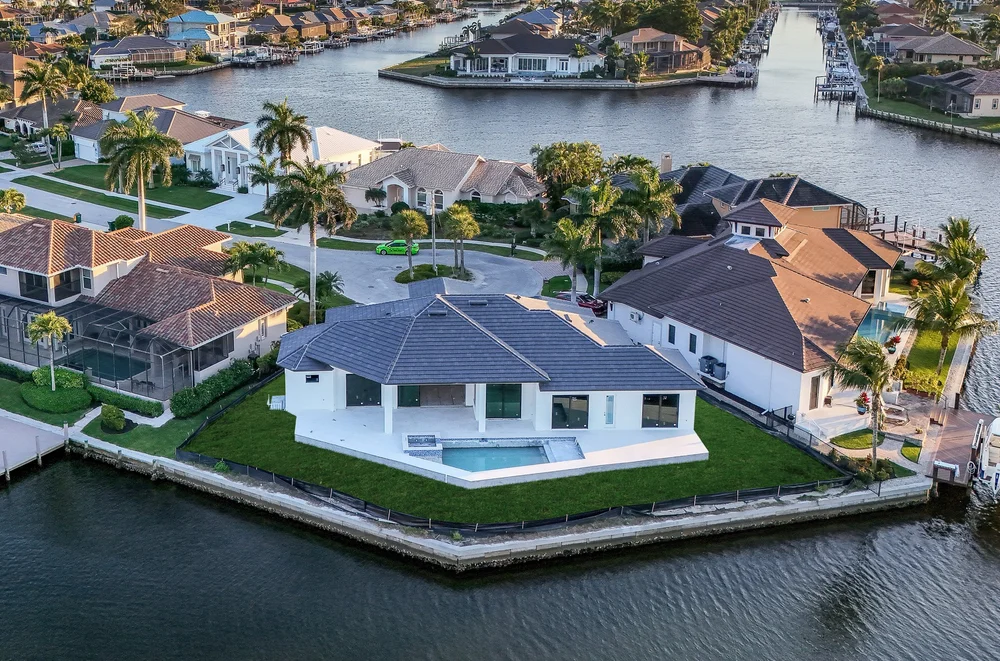
Choosing the Right Foundation for Your Coastal Property
Deciding between different foundation types for coastal homes depends on several factors, including:
- Flood risk and elevation requirements
- Soil composition and stability
- Local building codes and FEMA guidelines
- Budget and long-term maintenance needs
- Desired home design and footprint
Consulting with local engineers and builders who specialize in seaside construction is highly recommended. They can assess your site and recommend the most appropriate solution for your specific location and needs.
For more on materials that stand up to coastal conditions, see this comprehensive overview of essential building materials for coastal homes.
Maintenance and Longevity of Coastal Foundations
Even the best-designed foundation requires ongoing care, especially in harsh marine environments. Here are a few tips to extend the lifespan of your coastal home’s base:
- Inspect regularly for signs of corrosion, rot, or shifting.
- Keep drainage systems clear to prevent water pooling around the foundation.
- Apply protective coatings to exposed concrete, steel, or wood.
- Address minor issues quickly to avoid costly repairs down the line.
Staying proactive with maintenance can help your home withstand the elements and remain safe for years to come.
Frequently Asked Questions
What is the most flood-resistant foundation for coastal homes?
Pier and pile foundations are generally considered the most flood-resistant option for oceanfront properties. By elevating the home above potential floodwaters, they minimize the risk of water damage and allow storm surges to pass beneath the structure.
Are slab foundations suitable for homes near the ocean?
Slab-on-grade foundations are less common in high-risk coastal areas due to their vulnerability to flooding and shifting soils. They may be used in regions with low flood risk, but elevated options like piers or piles are usually preferred for maximum protection.
How often should a coastal home foundation be inspected?
It’s wise to have your foundation professionally inspected at least once a year, and after any major storm or flooding event. Regular checks can catch early signs of wear, corrosion, or movement, helping you address issues before they become serious.
Can I retrofit an existing home with a different foundation type?
Retrofitting is possible in some cases, especially if you need to elevate a home for flood protection. However, it can be complex and costly, so it’s important to consult with structural engineers experienced in coastal renovations.
By understanding the variety of coastal home foundation types and their unique benefits, you can make informed choices that protect your investment and enhance your enjoyment of life by the sea.