
Creating inviting and functional coastal home outdoor living spaces is a top priority for homeowners who want to maximize their enjoyment of waterfront living. Whether your property faces the ocean, a bay, or a tranquil lagoon, the right design choices can transform your exterior areas into seamless extensions of your indoor lifestyle. This article explores practical strategies, design inspiration, and expert tips to help you make the most of your seaside setting.
If you’re planning a renovation or new build, understanding the unique requirements of coastal construction is essential. For foundational advice on building near the water, the coastal home piling installation resource offers valuable insights into creating a resilient base for your outdoor spaces.
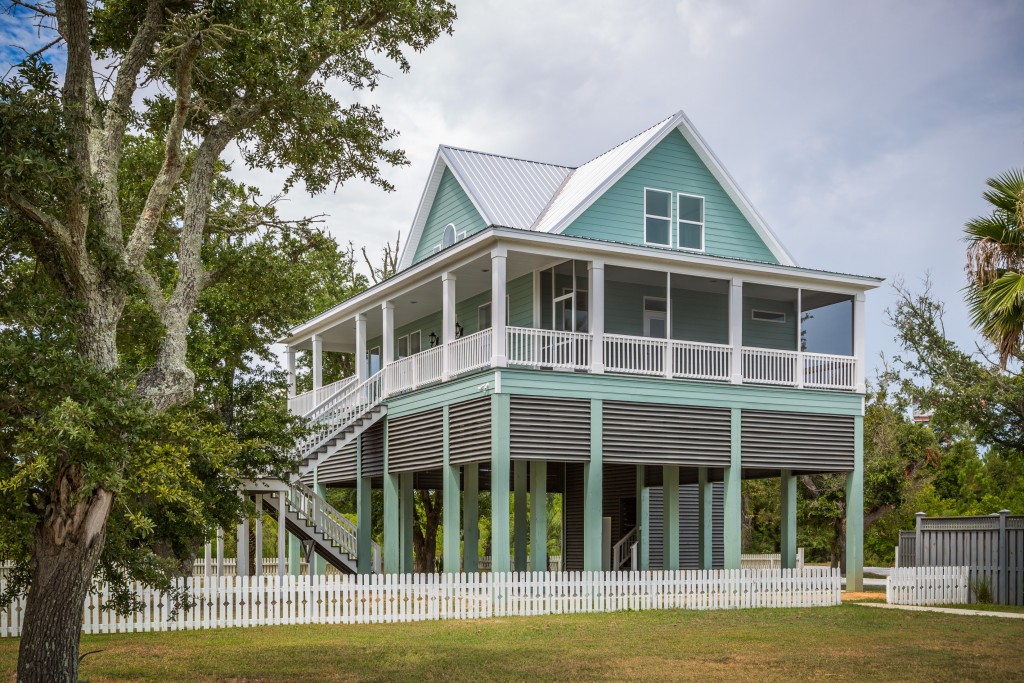
Design Principles for Seaside Outdoor Areas
When planning outdoor zones for a coastal property, it’s important to balance aesthetics, durability, and comfort. Exposure to salt air, wind, and intense sunlight means that every material and furnishing must be chosen with care. Here are some foundational principles to guide your design:
- Weather Resistance: Select materials like teak, marine-grade stainless steel, and powder-coated aluminum that can withstand the harsh coastal environment.
- Open Sightlines: Maximize views of the water and natural surroundings by using glass railings, open pergolas, and low-profile furniture.
- Easy Transitions: Create seamless flow between indoor and outdoor spaces with wide sliding doors, consistent flooring, and covered patios.
- Natural Textures: Incorporate stone, wood, and woven fibers to evoke a relaxed, beach-inspired atmosphere.
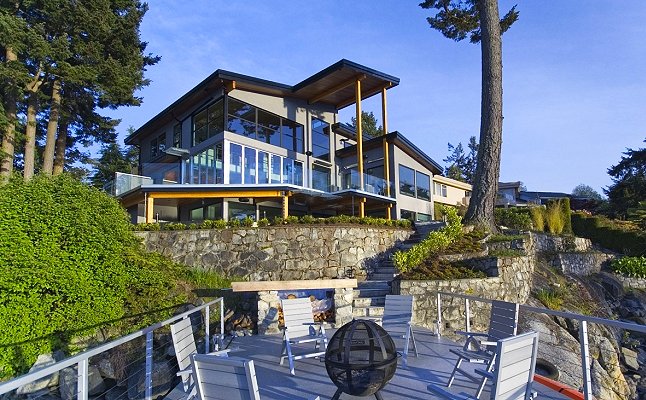
Essential Features for Outdoor Living by the Coast
Well-designed outdoor living areas for coastal homes go beyond basic patios or decks. Consider integrating the following features to enhance both function and enjoyment:
- Outdoor Kitchens and Dining: Install weatherproof cabinetry, built-in grills, and ample counter space for alfresco meals and entertaining.
- Shaded Retreats: Use pergolas, retractable awnings, or shade sails to provide relief from the sun while maintaining an open-air feel.
- Fire Features: Fire pits or outdoor fireplaces create a cozy gathering spot for cool evenings and extend the usability of your space year-round.
- Water Elements: Fountains, splash pools, or even simple outdoor showers can add a refreshing touch and reinforce the coastal vibe.
- Durable Lighting: Choose marine-grade fixtures and solar-powered lights to illuminate walkways, stairs, and seating areas safely.
Material Choices for Lasting Beauty
Selecting the right materials is crucial for longevity and low maintenance. Salt, humidity, and UV rays can quickly degrade standard finishes. For a more sustainable approach, explore options highlighted in the eco friendly coastal building materials guide, which covers products specifically designed for seaside environments.
Popular choices for decks and patios include composite lumber, porcelain tile, and natural stone. For railings and hardware, opt for stainless steel or powder-coated metals. Soft furnishings should feature quick-dry foam and UV-resistant fabrics to prevent fading and mildew.
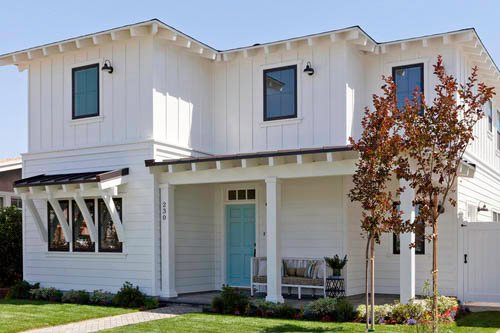
Landscaping Strategies for Waterfront Properties
Landscaping plays a vital role in the appeal and protection of outdoor living spaces near the coast. Choose native plants that thrive in sandy soils and resist salt spray, such as sea oats, dune grasses, and coastal shrubs. These selections require less irrigation and maintenance while helping to stabilize soil and prevent erosion.
Consider integrating permeable pavers or gravel pathways to improve drainage and reduce runoff. Raised planters and container gardens can add color and texture without overwhelming the natural landscape. For properties facing the open ocean, windbreaks using hardy hedges or fencing can provide shelter and privacy.
Safety and Sustainability Considerations
Safety is paramount when designing outdoor areas for coastal homes. Non-slip surfaces, sturdy railings, and proper lighting are essential, especially near water. If your property is prone to flooding or storm surges, elevated decks and breakaway walls can help minimize damage.
Sustainability is another key factor. Incorporate rainwater harvesting, solar lighting, and native landscaping to reduce your environmental impact. For those interested in renewable energy, the coastal home solar integration guide offers practical advice on harnessing the sun’s power for your outdoor amenities.
Maintenance Tips for Seaside Outdoor Spaces
Regular upkeep ensures your investment remains beautiful and functional. Rinse surfaces and furniture with fresh water to remove salt residue. Inspect and treat wood annually to prevent rot and insect damage. Check metal fixtures for corrosion and touch up finishes as needed. Store cushions and textiles during storms or off-season to extend their lifespan.
For properties with seawalls or docks, periodic inspections are vital. For more on structural maintenance, see the coastal home seawall construction resource, which covers best practices for protecting your shoreline.
Insurance and Regulatory Factors
Before making significant changes to your exterior spaces, review local regulations regarding setbacks, flood zones, and environmental protections. Many coastal areas have strict codes to preserve natural habitats and manage stormwater. It’s also wise to consult your insurer about coverage for outdoor features. For a comprehensive overview, the coastal home insurance requirements guide provides details on what to consider for waterfront properties.
Expert Advice and Further Resources
For those new to building or renovating near the shore, additional guidance can be invaluable. The beginner’s guide to safe coastal homes offers practical steps for ensuring your project meets both safety and aesthetic goals.
Frequently Asked Questions
What are the best materials for outdoor furniture in a coastal environment?
The best choices are teak, marine-grade stainless steel, and synthetic wicker. These materials resist corrosion, fading, and moisture damage, making them ideal for salty, humid climates.
How can I protect my outdoor living areas from storms and saltwater?
Use weather-resistant finishes, anchor structures securely, and choose breakaway features where possible. Regular cleaning and maintenance will also help prevent long-term damage from salt and wind.
Are there eco-friendly options for building outdoor spaces by the coast?
Yes, many sustainable materials and practices are available, such as recycled composite decking, native plant landscaping, and solar-powered lighting. For more ideas, refer to the eco friendly coastal building materials guide.